


OpenAI Considers Funding at $1.2 Trillion Valuation as Anthropic Calls to Slow AI Development



AI Podcast


OpenAI is in early, investor-led discussions for a new funding round that could value the company at approximately $1.2 trillion, up from its $852 billion valuation in March. CEO Sam Altman confirmed no IPO will occur in 2026, emphasizing a priority on AI safety and alignment. Heightened focus on safety risks—highlighted by industry leaders and regulatory actions, including China's new mandatory AI safety standards—has recently impacted global semiconductor and AI sector sentiment, signaling a shifting regulatory and market landscape.
TradingKey - OpenAI has recently held preliminary discussions with several major investors regarding a new funding round, a potential deal that could value the ChatGPT developer at around $1.2 trillion, according to the Financial Times. Negotiations are still in the early stages, and the final valuation could change, while the specific size of the fundraising remains undetermined.
According to people familiar with the matter, the funding discussions were primarily initiated by investors rather than OpenAI actively seeking new capital. OpenAI has not yet decided whether to formally proceed with the fundraising, and the company declined to comment on the report.
If completed at a $1.2 trillion valuation, OpenAI's valuation would mark a significant increase from March this year. In March, the company completed its latest funding round, securing $122 billion in committed capital at a post-money valuation of $852 billion, with investors including SoftBank, a16z, MGX, TPG, and funds affiliated with BlackRock.
Notably, news of this funding round comes as AI safety concerns resurface as a central focus in the global tech market. OpenAI CEO Sam Altman recently stated clearly that the company will not conduct an IPO in 2026, adding that prioritizing AI safety and alignment is currently necessary. He also remarked that even if the risk of AI causing catastrophic consequences is only in the single-digit percentage range, it cannot be ignored.
Anthropic CEO Dario Amodei also recently called on AI companies to slow the pace of frontier model capability enhancements, a direction Altman subsequently agreed with. The comments briefly hit sentiment in the AI sector, causing AI and semiconductor stocks worldwide to drop on September 14, with the Philadelphia Semiconductor Index falling 5.86% that day, reflecting that controversies over AI safety have begun to affect capital market expectations for the industry's expansion pace.
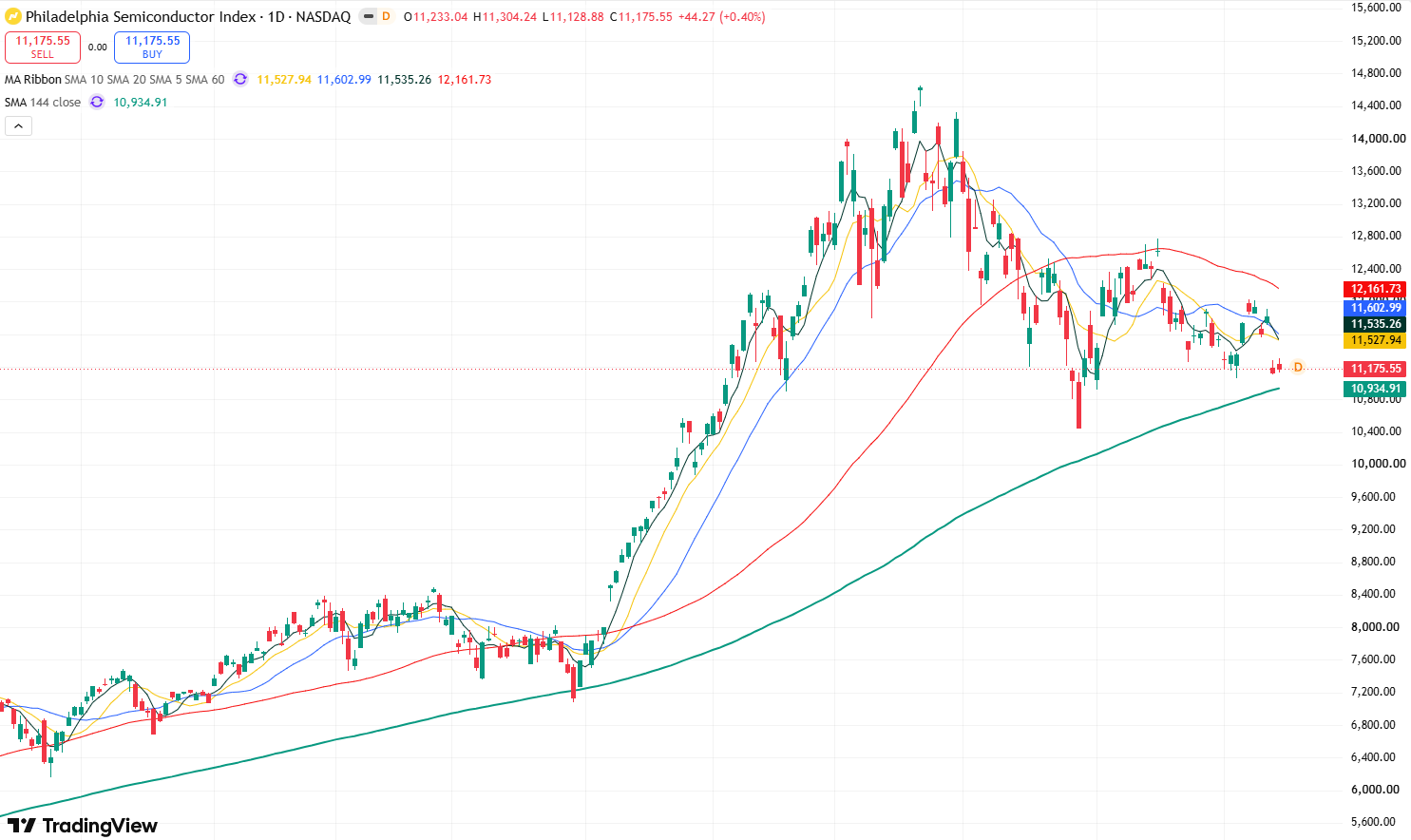
Philadelphia Semiconductor Index Daily Chart, Source: TradingView
Meanwhile, regulatory actions are also accelerating. China is formulating mandatory national standards for AI agent safety, requiring developers to enhance their capabilities to detect, intervene in, block, and recover from out-of-control behaviors, with a particular focus on risks such as models breaching safety boundaries and attacking external systems. While the U.S. and China currently differ in their specific approaches to AI risk governance, both sides have begun incorporating advanced AI loss-of-control, cybersecurity, and model misuse into regulatory discussions.
This content was translated using AI and reviewed for clarity. It is for informational purposes only.
Recommended Articles








Comments (0)
Click the $ button, enter the symbol, and select to link a stock, ETF, or other ticker.