


Citi Bullish on Gold to $5,000: Why Falling Oil Prices Become a Catalyst



AI Podcast


Citi maintains a bullish outlook, forecasting gold at $4,800 in 3 months and $5,000 in 6 to 12 months, driven by potential oil price normalization, Fed easing, and a weaker US dollar. Meanwhile, Goldman Sachs views recent pullbacks as an extended pause in the secular bull market rather than its end. Persistent central bank purchases, exemplified by continuous PBOC reserve additions, alongside institutional capital inflows and shifting reserve management strategies, provide robust structural support. Despite short-term volatility risks, tightening supply and strong sovereign demand limit downside risks, presenting strategic accumulation opportunities for investors.
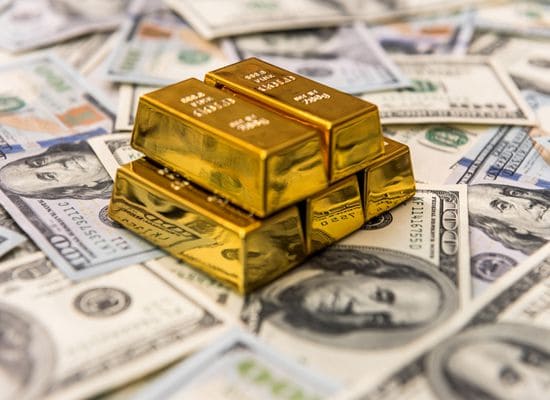
TradingKey - Citi maintains its bullish price forecast for gold (XAUUSD), setting a 3-month target of $4,800/oz and a 6-to-12-month target of $5,000/oz, both above the current spot gold price of around $4,400. The bank believes that if normal shipping in the Strait of Hormuz resumes in the fourth quarter of 2026, falling energy prices could become a key catalyst for the next leg of the gold rally.
How Falling Oil Prices Transmit to Gold Prices
Citi raised its Q3 2026 Brent crude forecast to $86/barrel, but maintained its Q4 forecast at $70 and 2027 forecast at $65. The bank noted that global composite refined product prices broke above $120/barrel, with the anomaly stemming mainly from surging refining margins rather than crude oil returning to its 2022 highs.
If shipping through the strait resumes, the global crude oil market could shift from a tight balance to oversupply. Falling energy costs would ease inflationary pressures, providing room for further Fed easing; a weaker US dollar and lower real interest rates would favor non-yielding gold. If the pressure of high oil prices on emerging market fiscal and external balances diminishes, physical gold demand could also rebound.
Notably, Citi believes that the rise in gold prices since August has been driven more by speculative positioning and paper gold trading, while physical demand has not kept pace. Therefore, short-term pullbacks can instead be viewed as opportunities to build positions. Even if the strait remains closed for a prolonged period, downside risk for gold remains limited. However, if global stock markets experience a sharp correction and investors sell gold to cover losses in other assets, gold prices could undergo a temporary pullback.
Citi's $5,000 target bets on the interconnected impact of falling oil prices—once shipping resumes—on inflation, monetary policy, the US dollar, and physical demand. While short-term volatility cannot be overlooked, central bank gold purchases, changes in reserve allocations, and fiscal sustainability concerns continue to serve as major structural supports for gold prices.
Central Bank Gold Buying Reshapes Gold Pricing Logic
Tony Kim, global head of metals trading at Goldman Sachs, believes that the pullback in gold prices from their January peak is not the end of the bull market, but an "extended pause." Global annual gold production is about 3,500 metric tons, whereas annual central bank gold purchases have surged from roughly 400 to 500 metric tons prior to the Russia-Ukraine conflict to around 1,000 to 1,100 metric tons. Tightened supply makes it easier for new capital inflows to drive up gold prices. He believes sovereign and institutional buying interest is present near $4,000 per ounce.
Data from the People's Bank of China shows that as of the end of August 2026, China's gold reserves rose to 76.73 million ounces, up 650,000 ounces from the end of July, marking the 22nd consecutive month of additions. Societe Generale, Deutsche Bank, and multiple asset management institutions have also returned to the gold market. Meanwhile, UBS noted that as reserve managers reassess monetary assets, coupled with shifts in bond-equity correlations and rising U.S. fiscal pressures, gold's traditional sensitivity to real interest rates is declining.
This content was translated using AI and reviewed for clarity. It is for informational purposes only.
Recommended Articles








Comments (0)
Click the $ button, enter the symbol, and select to link a stock, ETF, or other ticker.