


SpaceX’s Debut Investment-Grade Bonds Draw $89 Billion Frenzy; Stock Surges 7%, Cash-Shortage Rumors Debunked



AI Podcast


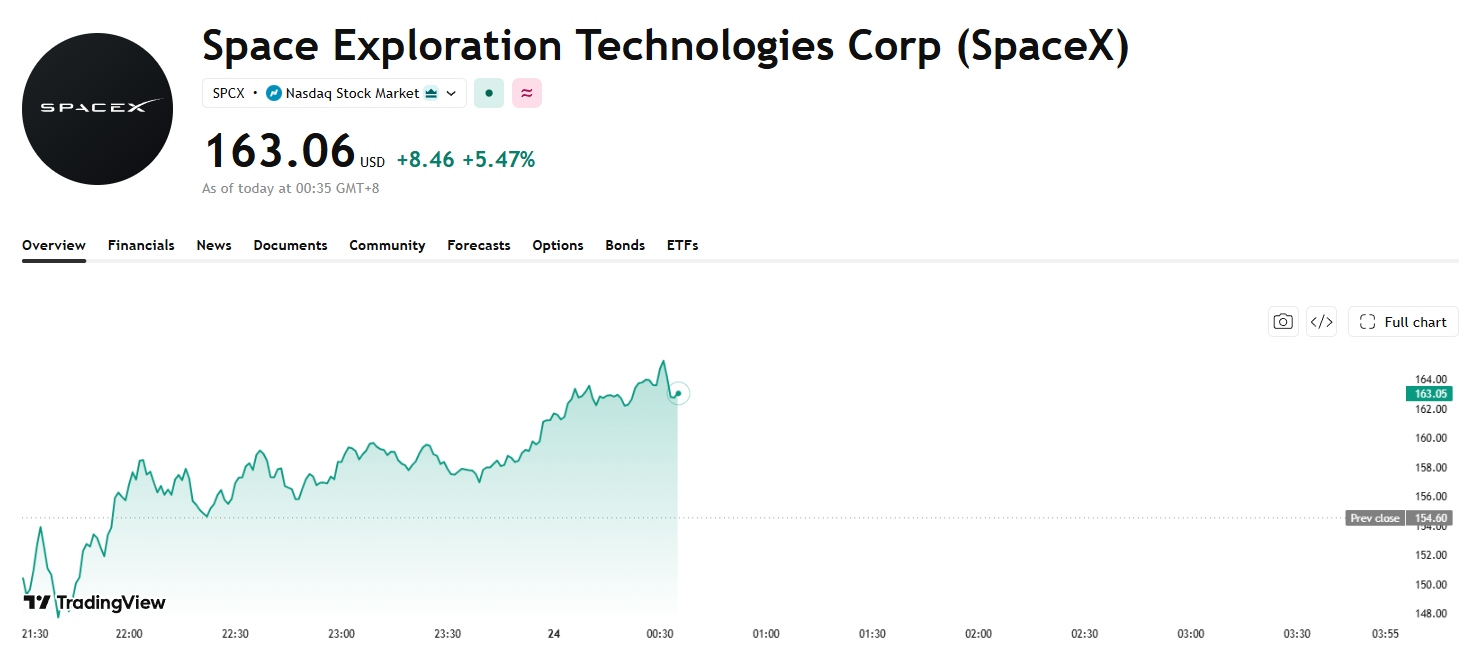
SpaceX’s debut $20–25 billion investment-grade bond offering drew $89 billion in orders, reflecting strong market confidence in its solvency and long-term cash flow. The oversubscription and tightened spreads refute concerns regarding potential liquidity crises. This positive reception in debt markets effectively stabilized equity valuations, prompting a 5% surge in the stock price to $163.06 and a $2.14 trillion market capitalization. By framing the issuance as routine capital structure optimization rather than distress financing, the move mitigated previous market panic, validating the company’s underlying business strength across aerospace, Starlink, and AI sectors.
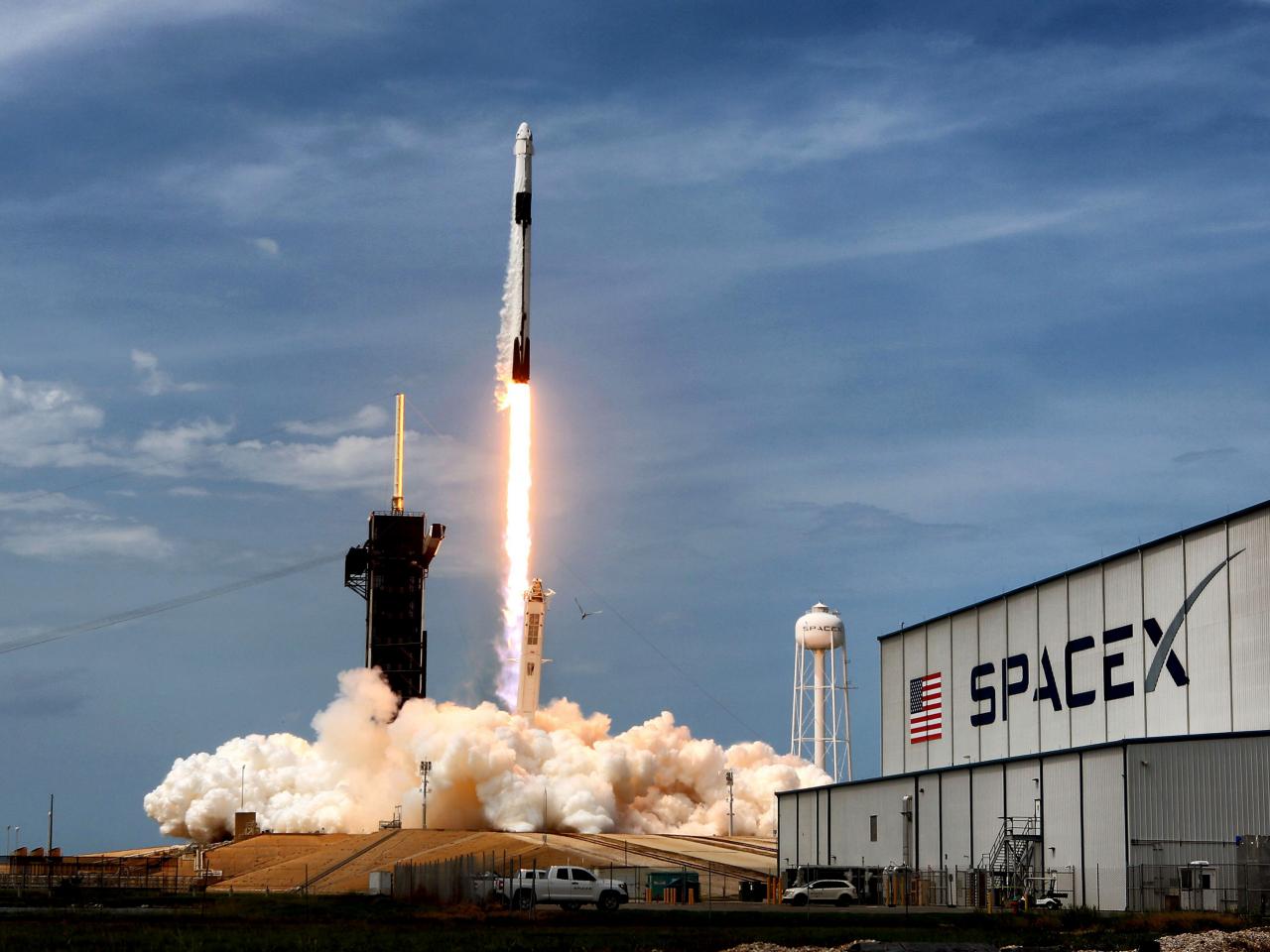
TradingKey - According to Bloomberg, SpaceX's debut bond offering in the US investment-grade bond market has met with massive demand. The five-tranche bond sale received a total of $89 billion in market orders, representing an oversubscription rate of over four times, placing it among the largest US corporate bond issuances of the year.
The $20 billion to $25 billion bond offering ultimately secured $89 billion in market demand, oversubscribed by more than four times. The launch spread narrowed by 25 basis points from initial guidance to 175 bps, with the longest-maturity tranche locked in at 2056. Both the subscription heat and pricing levels clearly demonstrate the bond market's strong recognition of the company's long-term solvency.

[Source: Bloomberg]
Fueled by the enthusiastic demand for its bond offering, SpaceX's stock price surged over 7% at one point. As of press time, it was up over 5% to trade at $163.06, bringing its market capitalization back to the $2.14 trillion level.
[Source: TradingView]
Compared to equity investors chasing long-term growth potential, bond investors focus their decisions more on cash flow stability and debt-servicing security, reflecting a more conservative risk appetite.
This type of capital is willing to participate heavily with low risk premiums and ultra-long maturities. In essence, it backs SpaceX's credit quality with hard cash, validating the growth certainty and future cash flow coverage of its diversified aerospace, Starlink, and AI businesses. This directly disproves the extremely bearish narrative previously circulating in the market that the company was 'severely short of cash and under cash flow pressure.'
This pricing signal quickly transmitted to the equity market. Previously, the core trigger for the stock price plunge was the cash flow panic sparked by the bond issuance, as the market interpreted the consecutive rounds of financing following its IPO as a sign that its funding gap was far larger than expected.
However, the positive feedback from the bond market has allowed this financing—primarily intended to repay short-term bridge loans and supplement working capital—to return to its true nature of 'routine capital structure optimization.' Coupled with the safety cushion of the company's hundred-billion-dollar cash reserves on its balance sheet, the debt risk premium in equity valuations has dropped significantly, and market panic has quickly subsided.
This content was translated using AI and reviewed for clarity. It is for informational purposes only.
Recommended Articles







Comments (0)
Click the $ button, enter the symbol, and select to link a stock, ETF, or other ticker.