


AstraZeneca, Bristol Myers Squibb in Merger Talks to Create Nearly $400 Billion Pharma Giant



AI Podcast


AstraZeneca is reportedly in early-stage merger talks with Bristol Myers Squibb, potentially creating a nearly $400 billion pharmaceutical giant. The deal aims to accelerate AstraZeneca’s US growth toward its 2030 revenue targets while helping Bristol Myers Squibb navigate significant patent expirations. However, the transaction faces major hurdles, including potential regulatory scrutiny over oncology portfolio overlaps and political concerns in the UK regarding the "Americanization" of its corporate leaders. While strategically significant, the negotiations remain uncertain, with final deal structures, valuation, and regulatory approval processes still pending evaluation.
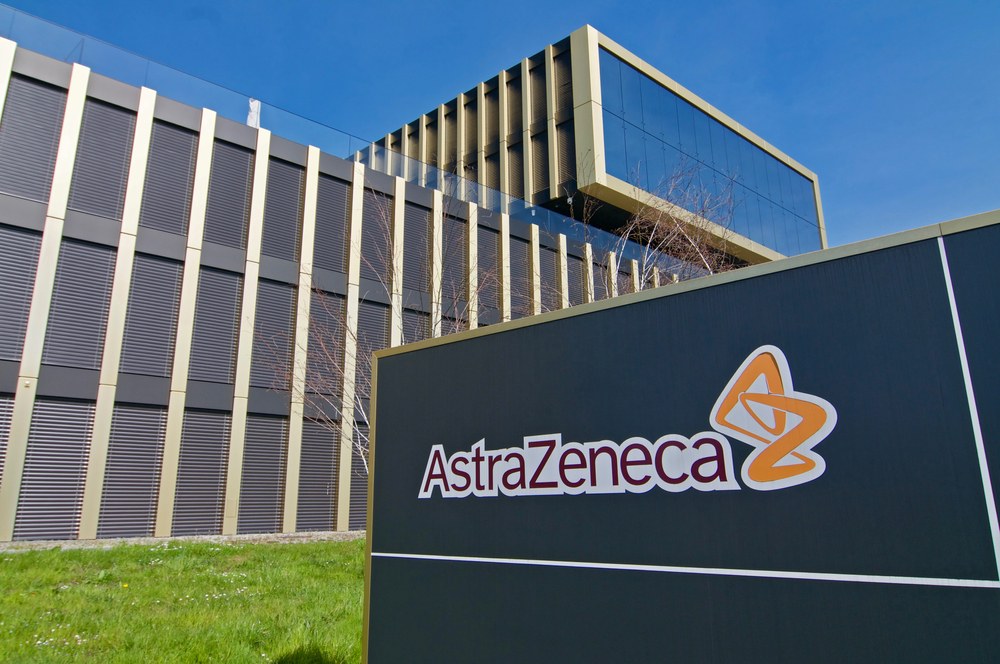
TradingKey - The global pharmaceutical industry may see its most significant merger and acquisition deal in recent years.
British pharmaceutical giant AstraZeneca ( AZN) is in talks with US peer Bristol Myers Squibb ( BMY) regarding a potential merger. If a deal is reached, the combined market value of the two companies would approach $400 billion, potentially creating one of the world's largest pharmaceutical groups.
According to people familiar with the matter, the two companies have held multiple rounds of contact over the past few months, but the negotiations remain highly uncertain. No specific deal structure has been determined yet; the final proposal could combine cash and stock, and the possibility of talks being delayed or terminated cannot be ruled out.
Year-to-date, Bristol Myers Squibb's share price has risen about 21%, while AstraZeneca has fallen 7%.
Nearly $400 Billion Deal Remains in Early Stages
AstraZeneca currently has a market value of approximately £196 billion (equivalent to about $264 billion), while Bristol Myers Squibb has a market value of around $133 billion. Based on current valuations, the merged company's market capitalization would approach $400 billion, potentially ranking it as the world's fourth-largest pharmaceutical company by market value.
The scale of this transaction would also far exceed AstraZeneca's record $39 billion acquisition of Alexion in 2021, as well as Bristol Myers Squibb's $74 billion acquisition of Celgene in 2019, making it one of the largest mergers and acquisitions in the history of the global pharmaceutical industry.
However, both parties may still be in the phase of evaluating the feasibility of the transaction. In addition to price and payment methods, corporate governance, headquarters location, asset integration, and regulatory requirements are all issues that need to be resolved in the negotiations.
For AstraZeneca, merging with Bristol Myers Squibb could significantly expand its R&D, sales, and commercialization capabilities in the US. The US currently contributes nearly half of AstraZeneca's revenue and is a key market for the company to achieve its $80 billion revenue target by 2030. In comparison, AstraZeneca's revenue last year was $58.7 billion, meaning it still needs to maintain rapid growth over the next few years.
AstraZeneca has also been continuously strengthening its ties with the US capital markets in recent years and enhancing its listing status in New York. Although CEO Pascal Soriot previously stated that the company does not need to rely on large-scale M&A to achieve its long-term goals, the potential merger shows that management is still evaluating the possibility of expanding its business scale through external transactions.
Bristol Myers Squibb, on the other hand, faces more urgent pressure to update its product portfolio. Its core drugs, Eliquis and Opdivo, will face patent expirations in the coming years, which could significantly impact revenue and profits. The company is relying on newer products such as Breyanzi, Opdualag, Camzyos, and Reblozyl to fill the gap, but whether these new products can fully offset the decline in sales of older drugs remains to be seen.
Therefore, AstraZeneca could leverage the deal to expand its US operations and product portfolio, while Bristol Myers Squibb would have the opportunity to ease its "patent cliff" pressures by utilizing AstraZeneca's R&D pipeline.
Oncology Business Overlap May Pose Regulatory Hurdle
The most obvious synergy between the two sides comes from their oncology businesses, but this could also become the biggest hurdle facing the deal.
Cancer drugs contribute nearly half of AstraZeneca's sales, and Bristol Myers Squibb also derives more than 40% of its revenue from oncology products. Some drugs also compete directly; for example, Bristol Myers Squibb's Opdivo and AstraZeneca's Imfinzi are both used in multiple therapeutic areas, including non-small cell lung cancer.
Regulators are likely to not only scrutinize market overlap of existing products but also assess late-stage R&D pipelines, product bundling, and the merger's impact on medical innovation and pricing. If the deal moves forward, the two companies may need to divest some drugs or pipeline assets to secure regulatory approval.
Although the Trump administration generally appears relatively open to corporate mergers and acquisitions, large pharmaceutical deals typically involve competition, drug pricing, and national industrial policy simultaneously, and the review process is not expected to be easy.
UK May Face Renewed Controversy Over ‘Star Company Exodus’
The negotiations have also once again sparked concerns in the UK capital market over the ongoing "Americanization" of its leading domestic companies.
In June this year, AstraZeneca completed a direct listing in New York, which was widely interpreted by the market as an important step to further strengthen its layout in the US capital market. If it further expands its US business in the future by acquiring Bristol Myers Squibb, or even shifts some core functions to the US, UK politicians may once again face debates over the continuous flow of large domestic companies to the US market.
In fact, this is not the first time AstraZeneca has become the focus of cross-border M&A.
In 2014, US pharmaceutical giant Pfizer ( PFE) had proposed an acquisition bid of nearly £70 billion (approximately $94.3 billion), but it was ultimately firmly rejected by Soriot. At the time, the UK government was also concerned about the loss of key pharmaceutical companies and remained highly attentive to the deal.
Now twelve years later, AstraZeneca has grown into a global leader in innovative drugs, and its role has shifted from being the acquisition target back then to the party actively initiating consolidation today.
This content was translated using AI and reviewed for clarity. It is for informational purposes only.
Recommended Articles






Comments (0)
Click the $ button, enter the symbol, and select to link a stock, ETF, or other ticker.