


Fed's Goolsbee: Recent Inflation Cooling Is Encouraging, But More Evidence Still Needed



AI Podcast


Chicago Fed President Austan Goolsbee welcomed recent inflation cooling but stressed the need for consistent improvement over the next three to four months to confirm a return to the 2% target. Supporting the July rate freeze amid stable growth and a solid labor market, Goolsbee remains cautious due to persistent historical inflation risks. Meanwhile, deep divisions persist among Fed officials regarding further rate hikes, and recent soft retail sales data alongside easing price pressures have led investors to scale back expectations to a single rate hike by year-end.
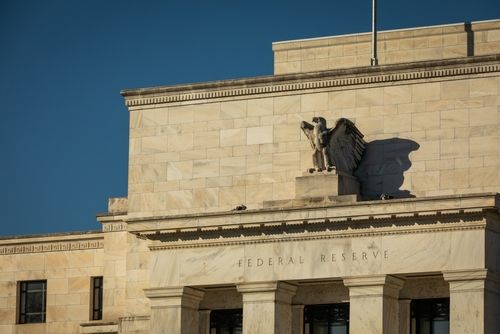
TradingKey - Chicago Fed President Austan Goolsbee said he was encouraged by the recent cooling in inflation, but continued similar improvements will be needed over the coming months to confirm that inflation is heading back toward the Federal Reserve's 2% target.
Goolsbee noted that the CPI data provided a positive signal, indicating that some of the shocks that pushed up prices over the past year, including tariffs and higher oil prices, may be gradually absorbed by the economy.
He noted that inflation had previously moved in an unfavorable direction for five or six straight months and that overall levels remain too high. However, the improvement in the data over the past three months is encouraging. If inflation performs over the next three to four consecutive months as it did in June, he will have greater confidence that inflation is on track to return to the 2% target.
Inflation Remains Top Concern, Economy and Employment Generally Stable
Goolsbee said he supported the Federal Reserve's decision to hold interest rates steady at its July meeting. Currently, inflation remains his primary concern; by contrast, U.S. economic growth and the labor market are "basically stable."
He pointed out that both the U.S. experience in dealing with high inflation over past decades and the sharp rise in price pressures following the COVID-19 pandemic have made him more cautious in current policy judgments. In 2022, U.S. inflation once exceeded 7%, and inflation has failed to return to the Fed's 2% target for more than five years.
Goolsbee noted that once inflation takes hold and persists, the process of bringing it down is often painful and difficult. Therefore, policymakers must remain more vigilant about changes on the inflation front.
Fed Divisions Deepen Over Interest Rate Path
The Federal Reserve kept interest rates unchanged for the fifth consecutive time in July, but a growing number of officials worried that inflation might fail to return to target without further rate hikes. Three policymakers dissented at the July meeting, favoring a 25-basis-point rate increase.
However, data released over the past month also showed some signs of relief. As the energy price shock triggered by the war gradually subsided, consumer price gains slowed over the past two months. Meanwhile, a report released the same day showed that U.S. retail sales in July registered their largest drop in more than a year.
Goolsbee said consumer demand is vital to overall U.S. economic growth, and he would be concerned if retail sales weakened for several consecutive months.
Market Trims Rate Hike Expectations, Sees Only One Hike This Year
Improving inflation data, coupled with weak labor market hiring, prompted investors to scale back expectations for further Federal Reserve rate hikes.
A month ago, federal funds rate futures showed that the market expected the Fed to raise rates at least twice this year, with the first hike likely occurring in September. Today, the probability of a September rate hike has dropped to around 30%, and traders expect the Fed to raise rates only once by the end of the year.
This content was translated using AI and reviewed for clarity. It is for informational purposes only.
Recommended Articles








Comments (0)
Click the $ button, enter the symbol, and select to link a stock, ETF, or other ticker.