


SpaceX Rises Over 3% Pre-Market as Musk Says Orbital Computing Could Far Surpass Earth by 2029



AI Podcast


SpaceX shares rose over 3% in US pre-market trading on Monday following Elon Musk's prediction that orbital computing capacity could surpass terrestrial power around 2028-2029. This forecast highlights extreme investor optimism, fueled by projections of soaring future revenues. SpaceX is positioning itself in the space computing infrastructure sector through plans for an orbital data center constellation of up to one million satellites supported by Starlink. Despite massive commercial growth potential, the long-term initiative faces significant risks and execution challenges, including launch capacity, construction costs, orbital resources, and network coordination.
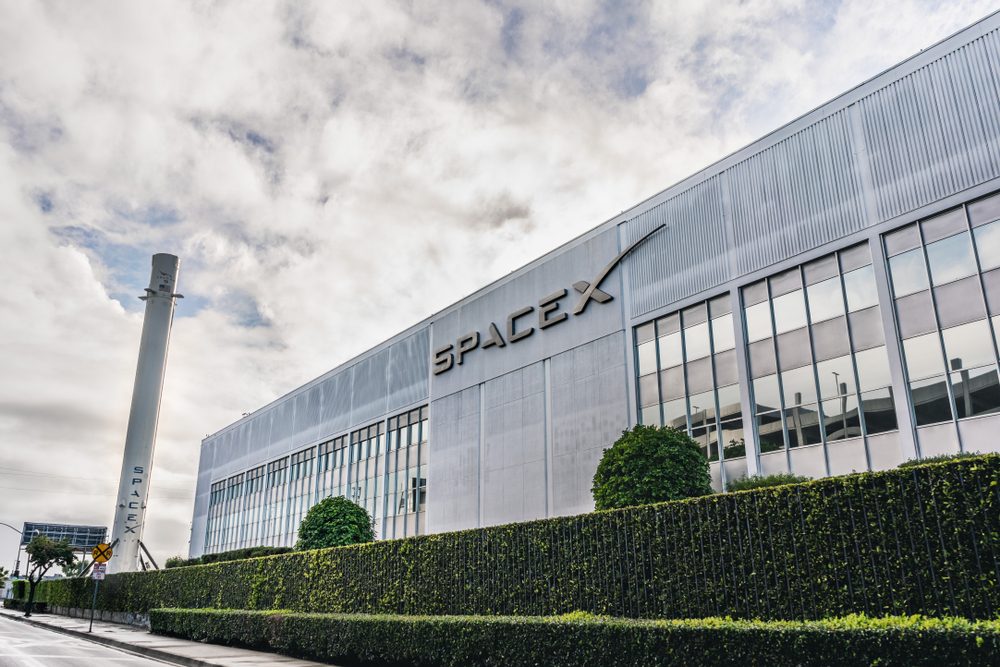
TradingKey - SpaceX (SPCX) shares rose over 3% in US pre-market trading on Monday, with market attention focused on founder Elon Musk's latest prediction regarding the prospects for space data centers. He believes that monthly deployments of orbital computing capacity could surpass terrestrial computing power around the end of 2028, with the gap widening further in 2029. This statement has once again drawn market focus to SpaceX's space computing layout and future commercial growth potential.
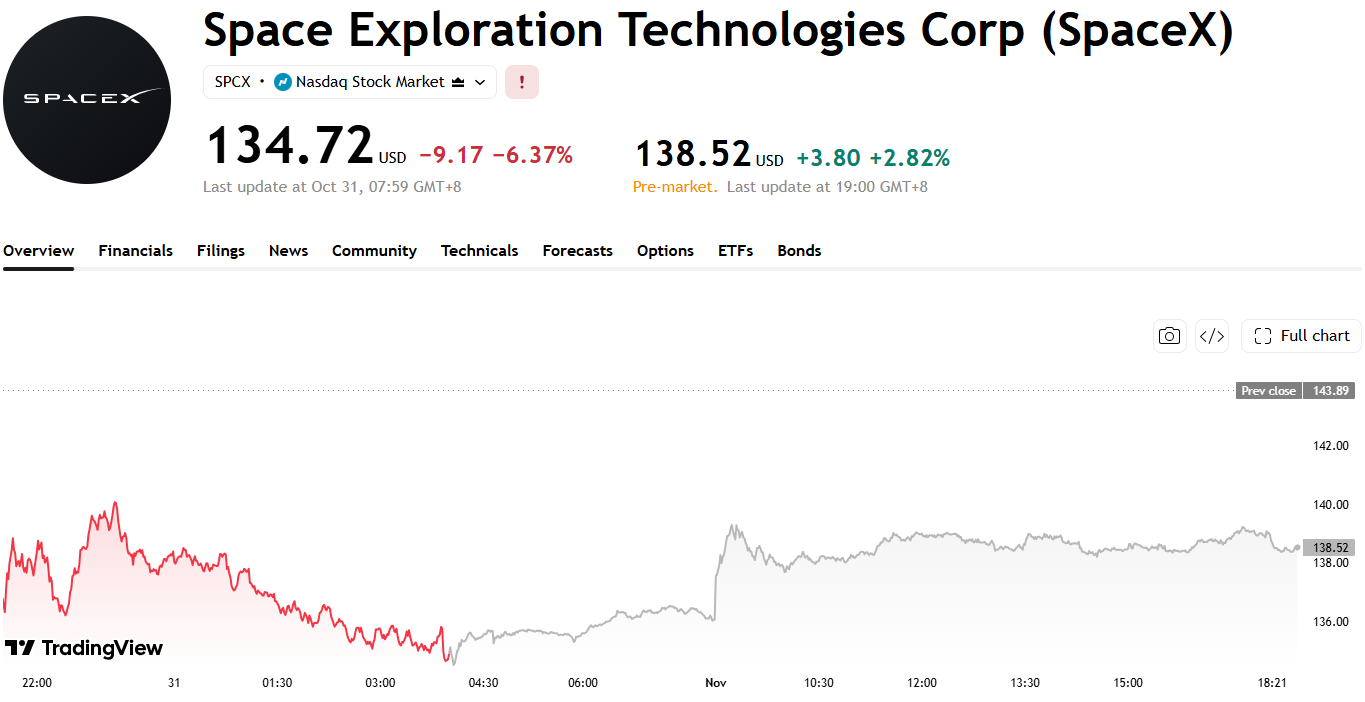
Source: TradingView
Musk made these comments on the social media platform X in response to a revenue forecast by venture capitalist Shaun Maguire. Maguire projects that SpaceX's revenue could surge from $51.5 billion in 2026 to $274 billion in 2027, before reaching $731 billion in 2028. While this projection is not official company guidance, it reflects some investors' extremely high expectations for the pace of SpaceX's business expansion over the coming years.
Unlike traditional terrestrial data centers, orbital data centers aim to deploy computing and storage facilities in space, executing data transmission and computing tasks via a satellite network. SpaceX has already been positioning itself in this direction, applying to build an orbital data center constellation of up to 1 million satellites. The plan involves deploying satellites at orbital altitudes between approximately 500 and 2,000 kilometers above Earth while leveraging the Starlink network to provide data transmission support.
If these plans materialize, SpaceX's business scope will no longer be limited to rocket launches and satellite internet services, opening the door to enter the space computing infrastructure sector. However, deploying a million satellites remains a long-term initiative, and actual execution faces multiple challenges, including launch capacity, construction costs, orbital resources, and network coordination. Musk's prediction that orbital computing capacity will surpass terrestrial computing power by 2029 also remains an assessment of future industry development.
This content was translated using AI and reviewed for clarity. It is for informational purposes only.
Recommended Articles











Comments (0)
Click the $ button, enter the symbol, and select to link a stock, ETF, or other ticker.