


US 10-Year Treasury Yield Rises to 5.093%, Highest Since July 2007



AI Podcast


On September 23, Eastern Time, U.S. Treasury yields hit multi-year highs as hawkish Fed signals, resilient economic data, and rising energy costs fueled rate hike expectations. The 10-year yield reached 5.093%, its highest since 2007, while 30-year fixed mortgage rates climbed to 7.12%. Federal Reserve officials indicated further tightening may be necessary to combat sticky inflation. To curb surging borrowing costs, the U.S. Treasury announced plans to buy up to $6 billion in long-term Treasuries, though analysts warn such interventions offer only temporary relief against structural debt pressures.
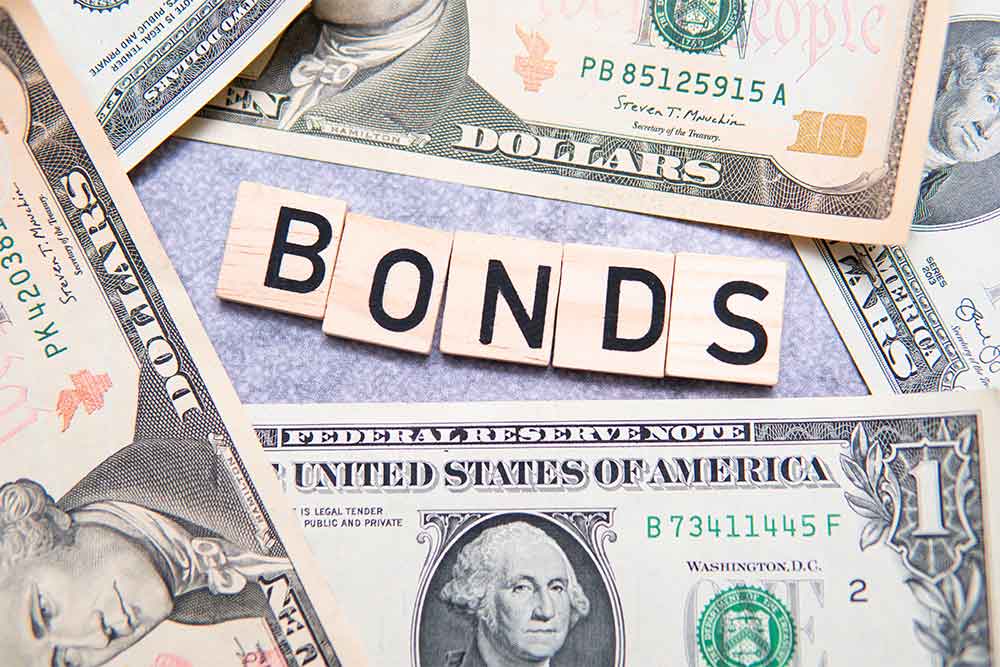
TradingKey - On September 23, Eastern Time, the U.S. Treasury market remained under pressure, with the 10-year Treasury yield rising to 5.093%, reaching its highest level since July 17, 2007. Federal Reserve officials issued a series of hawkish signals, and the latest services and manufacturing data also fueled market concerns over further interest rate hikes.
The 30-year Treasury yield once rose to 5.39%, nearing the high of around 5.40% touched earlier this month, which was the highest level since 2007. Rising energy costs pushed global bond yields generally higher and also prompted investors to reassess the Fed's future policy path.
Federal Reserve Governor Michael Barr said on Wednesday that the Fed took an important step toward bringing inflation back down last week by "recalibrating" short-term borrowing costs, but monetary policy may still need further adjustment in the future. He noted that risks to achieving the inflation target have increased, while risks to the labor market have mitigated.
Barr stated that U.S. economic growth is strong and the labor market remains solid, but inflation is still above the Fed's 2% target and has yet to show a clear downward trend. Under his baseline scenario, monetary policy may need to tighten further to ensure inflation returns to the target level in a timely manner.
Last week, the Fed unanimously decided to raise the target range for the federal funds rate by 25 basis points to 3.75%-4.00%, marking its first increase in the overnight rate since 2023. Documents show that 16 of the 18 policymakers expect the Fed could hike rates at least once more by the end of this year. Barr's remarks were interpreted by the market as leaving room for further rate hikes, though he did not specify an exact timeline. This contrasted with Fed Chair Warsh's refusal to provide forward guidance on the future rate path.
Boston Fed President Susan Collins expressed a similar view on Tuesday. She stated that a slightly more restrictive federal funds rate would help ensure inflation returns to the target level on a sustained basis, and the likelihood of inflation remaining noticeably above 2% in the future is rising. However, she also pointed out that labor market conditions have overall strengthened slightly, with the unemployment rate remaining at a low level.
The high-interest-rate environment is further driving up housing finance costs. The Mortgage Bankers Association said on Wednesday that the average 30-year fixed mortgage rate in the U.S. rose to 7.12% last week, hitting a more than two-year high. An inadequate housing supply coupled with rising mortgage rates is further worsening housing affordability in the United States.
The U.S. Department of the Treasury said it will buy up to $6 billion in 20- to 30-year U.S. Treasuries on Thursday to curb the recent rise in borrowing costs. The upper limit of this buyback operation is three times the $2 billion announced by the Treasury in early August. On August 19, the Treasury announced it was abandoning its original plan and stated that the scale of related operations would "at least double."
In the previous expanded buyback operation conducted on September 9, the Treasury ultimately purchased about $5.2 billion of 10- to 20-year Treasuries, below the $6 billion cap. Treasury officials attributed this to an insufficient amount of competitive offers from the market. At that time, total bonds submitted by investors amounted to approximately $10.5 billion.
However, the Institute of International Finance warned on Wednesday that relying on "financial engineering" cannot solve the fundamental problems of U.S. debt. The association stated that intervention measures such as purchasing securities in the secondary market may offer temporary relief, but cannot change the structural factors behind the continuous rise in debt.
U.S. Treasury Secretary Bessent defended the expanded buyback plan, stating that the Treasury acted after market prices "deviated from equilibrium." He also stated that from the announcement of the expanded buyback plan on August 19 to September 21, the 30-year Treasury yield rose by only about 1 basis point.
This content was translated using AI and reviewed for clarity. It is for informational purposes only.
Recommended Articles











Comments (0)
Click the $ button, enter the symbol, and select to link a stock, ETF, or other ticker.