


Alphabet’s Waymo Enters Singapore to Launch Fully Autonomous Robotaxi Service by 2028, Challenging Tesla



AI Podcast


Alphabet’s Waymo plans to launch a fully autonomous ride-hailing service in Singapore by 2028, marking its Southeast Asian debut. Following an initial vehicle arrival and a 2027 data-collection phase, the public service remains subject to regulatory approval. This expansion follows Waymo’s recent Tokyo entry announcement for 2027 and broader U.S. operations. Backed by a recent $16 billion funding round and a $126 billion valuation, Waymo is accelerating its global footprint and fleet scaling, intensifying competition in the Robotaxi market against rivals like Tesla and Amazon’s Zoox.
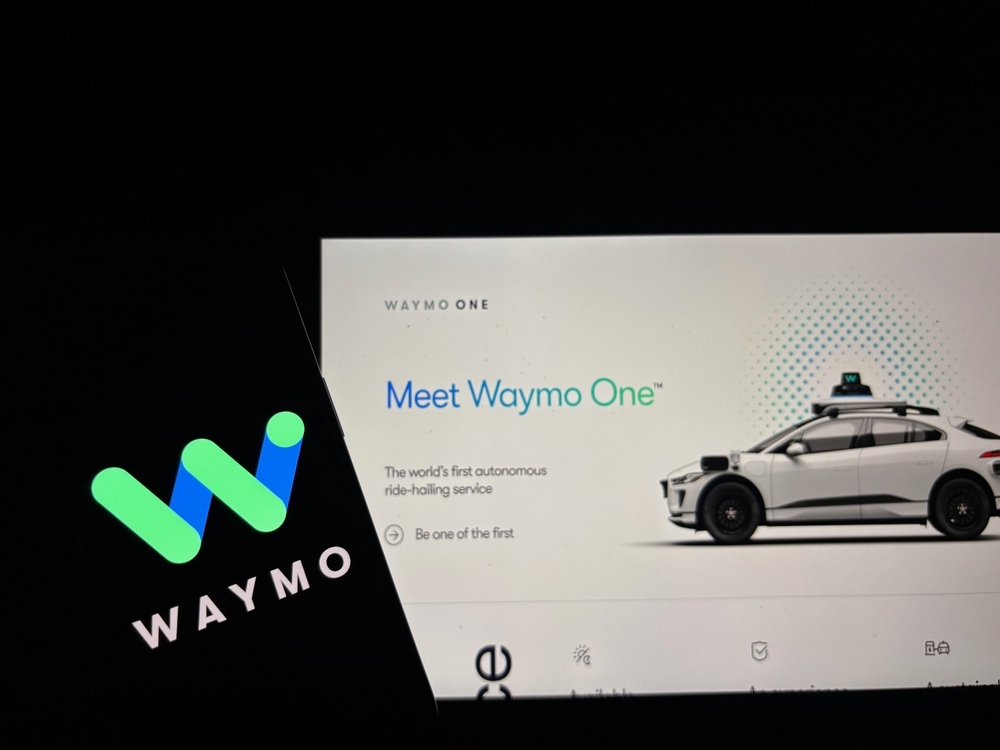
TradingKey - Alphabet (GOOGL)'s autonomous driving unit, Waymo, announced Friday that it plans to launch an all-electric, fully autonomous ride-hailing service in Singapore by 2028 at the latest, marking Waymo's first entry into the Southeast Asian market. The company is working with Singapore's Ministry of Transport and Land Transport Authority to conduct preliminary preparations for commercial operations.
Under the plan, Waymo's first batch of Jaguar I-PACE all-electric vehicles will arrive in Singapore in the coming months. 2027 will mark the preparation phase, during which trained autonomous driving specialists will manually drive the vehicles on local roads for data collection and system adaptation, enabling the Waymo Driver to become familiar with Singapore's road structures and special environments such as monsoon weather. Pending regulatory approval, the company plans to open its fully driverless ride-hailing service to the public via the Waymo app in 2028.
Waymo has not yet disclosed the size of its initial fleet or specific service areas in Singapore. The company stated that it will recruit local autonomous driving specialists while staffing operational roles such as vehicle maintenance and customer support. Waymo also hopes to use Robotaxis in the future to connect residential areas, commercial districts, and public transportation hubs, improving "last-mile" travel. Company data shows that in San Francisco, more than one-third of Waymo orders have pickup or drop-off locations near public transportation stops.
Singapore will become Waymo's second confirmed commercial market in Asia. Earlier this week, the company announced plans to launch Japan's first fully autonomous commercial taxi service in Tokyo in 2027, operating initially with a small fleet and gradually expanding to about 100 vehicles. Waymo had previously conducted road data collection and testing in Tokyo.
Waymo's global expansion is also accelerating significantly. Currently, its autonomous driving service covers about 15 U.S. cities. The company completed a $16 billion funding round in February this year, reaching a post-money valuation of $126 billion, with Alphabet maintaining its controlling shareholder status. Waymo is using the new round of funding to expand its fleet and overseas markets, competing for the Robotaxi market with autonomous driving competitors such as Amazon's (AMZN) Zoox and Tesla (TSLA).
By comparison, Tesla's Robotaxi is still in the early stages of expansion. According to autonomous vehicle registration data from Texas, as of September 11, Waymo had 988 registered autonomous vehicles in Texas, compared to Tesla's 420, which includes the Cybercab.
This content was translated using AI and reviewed for clarity. It is for informational purposes only.
Recommended Articles









Comments (0)
Click the $ button, enter the symbol, and select to link a stock, ETF, or other ticker.