


Apple Boosts On-Device AI, Partners With PrismML to Enable Running Large Models Locally on iPhone



AI Podcast


Apple is exploring technical partnerships to implement extreme model compression, enabling large AI models to run locally on iPhones. By reducing memory usage and enhancing inference speed, this shift prioritizes privacy and leverages Apple’s vertical integration. While potential challenges regarding battery life and stability remain, the strategy emphasizes a hybrid AI architecture. Analysts note that over one billion existing devices lack support for advanced AI features, positioning hardware upgrades as a primary growth catalyst. Ultimately, this integration of AI into daily workflows is expected to drive a significant product upgrade cycle, reinforcing Apple’s core hardware-driven revenue model.
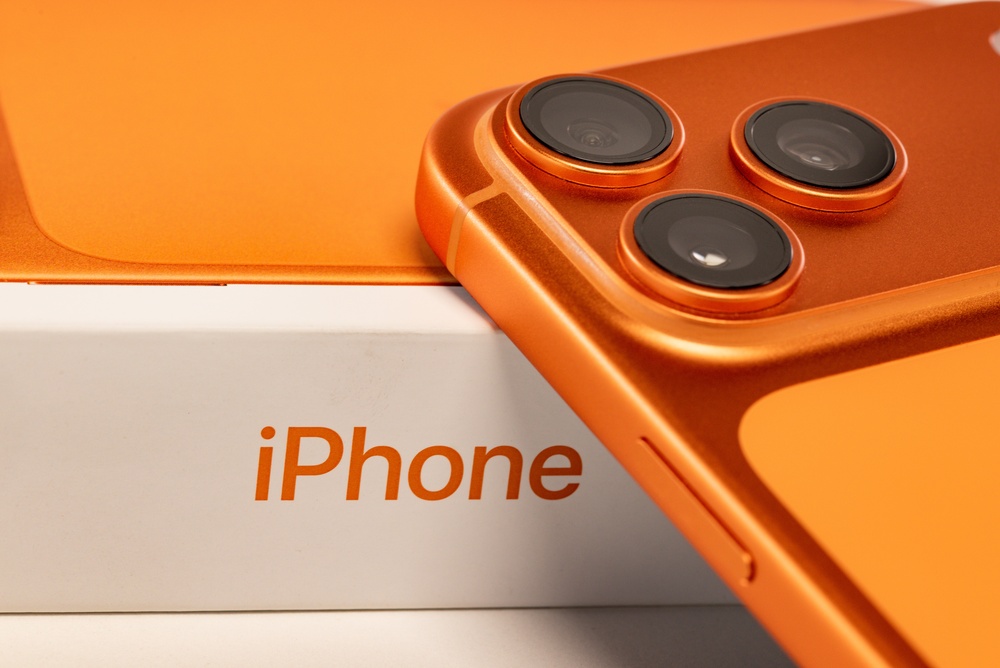
TradingKey - Apple ( AAPL) doubles down on on-device AI, which is expected to allow large AI models to run locally on iPhones.
The CEO of Silicon Valley AI startup PrismML stated that Apple is in talks for a technical partnership, aiming to use extreme model compression technology to run high-performance large models directly on iPhones, thereby breaking through the hardware bottlenecks of on-device AI.
PrismML officially announced a compressed version of Alibaba's Tongyi Qianwen (Qwen) model, compressing the large model from its original size of 54GB and 27 billion parameters to under 4GB, allowing it to run fully on the iPhone 15 and newer models. This will reduce memory usage by more than 90%, increase inference speed by 6 to 8 times, and cut power consumption by 3 to 6 times.
Currently, Apple has initiated live-testing and verification of this technology, focusing on evaluating running speed, energy efficiency, and on-device compatibility. The talks between the two parties are still in the early stages, but overall progress is smooth.
Market analysts suggest that if lightweight model technology is implemented, Apple could migrate high-load functions such as computational photography, video generation, and health data processing to the device itself, further strengthening its privacy advantages. Leveraging its vertically integrated hardware and software capabilities of self-developed chips and operating systems, Apple has a natural advantage in model adaptation and implementation. In the future, it is highly likely to adopt a hybrid architecture of 'local processing for daily interactions, cloud hosting for complex tasks'.
While some views suggest that lightweight models will reduce cloud computing power and storage demands, most institutions believe that technological progress will only shift computing power from the cloud to the device, rather than reducing overall chip demand. Instead, the efficiency gains will foster more AI application scenarios, driving overall demand growth.
However, industry insiders point out that the technology still needs to be verified through large-scale practical applications, and its impact on battery life, stability, and long-term performance remains to be seen.
For Apple, the future demand for hardware upgrades is the investment theme with greater potential. According to Morgan Stanley's estimates, approximately 850 million iPhones worldwide cannot run Apple Intelligence; additionally, 1.3 billion units will not support the upcoming AI Siri, making the potential upgrade scale far exceed previous product iteration cycles.
Once AI interaction becomes the core mode of interaction between users and smart devices, allowing users to place orders, manage schedules, and coordinate digital tasks through Siri, the necessity of hardware upgrades will be significantly higher than simple software updates—and software innovation driving hardware sales is precisely Apple's core growth logic.
This content was translated using AI and reviewed for clarity. It is for informational purposes only.
Recommended Articles







Comments (0)
Click the $ button, enter the symbol, and select to link a stock, ETF, or other ticker.