


Trump Warns Iran Again to “Pay a Price.” Market Sensitivity to Rumors Is Diminishing at the Margin, Physical Gap May Drive Oil Price Surge.



AI Podcast


U.S. President Trump's statement on Iran stalling peace talks, coupled with renewed strikes, heightened market concerns about the Strait of Hormuz and drove international oil prices up. Despite Trump's mixed signals, negotiations are reportedly ongoing, with Qatar facilitating discussions. Bloomberg analysis suggests these intermittent exchanges are part of a testing, rather than collapsed, ceasefire. Key negotiation points include Iran's demand for asset unfreezing and uranium enrichment dilution. The crude oil market's response to "ceasefire" headlines is diminishing, shifting focus from geopolitical resolution to the persistent inability for Iranian supply and Strait of Hormuz navigation to recover, particularly as industrial nation inventories approach critical levels.
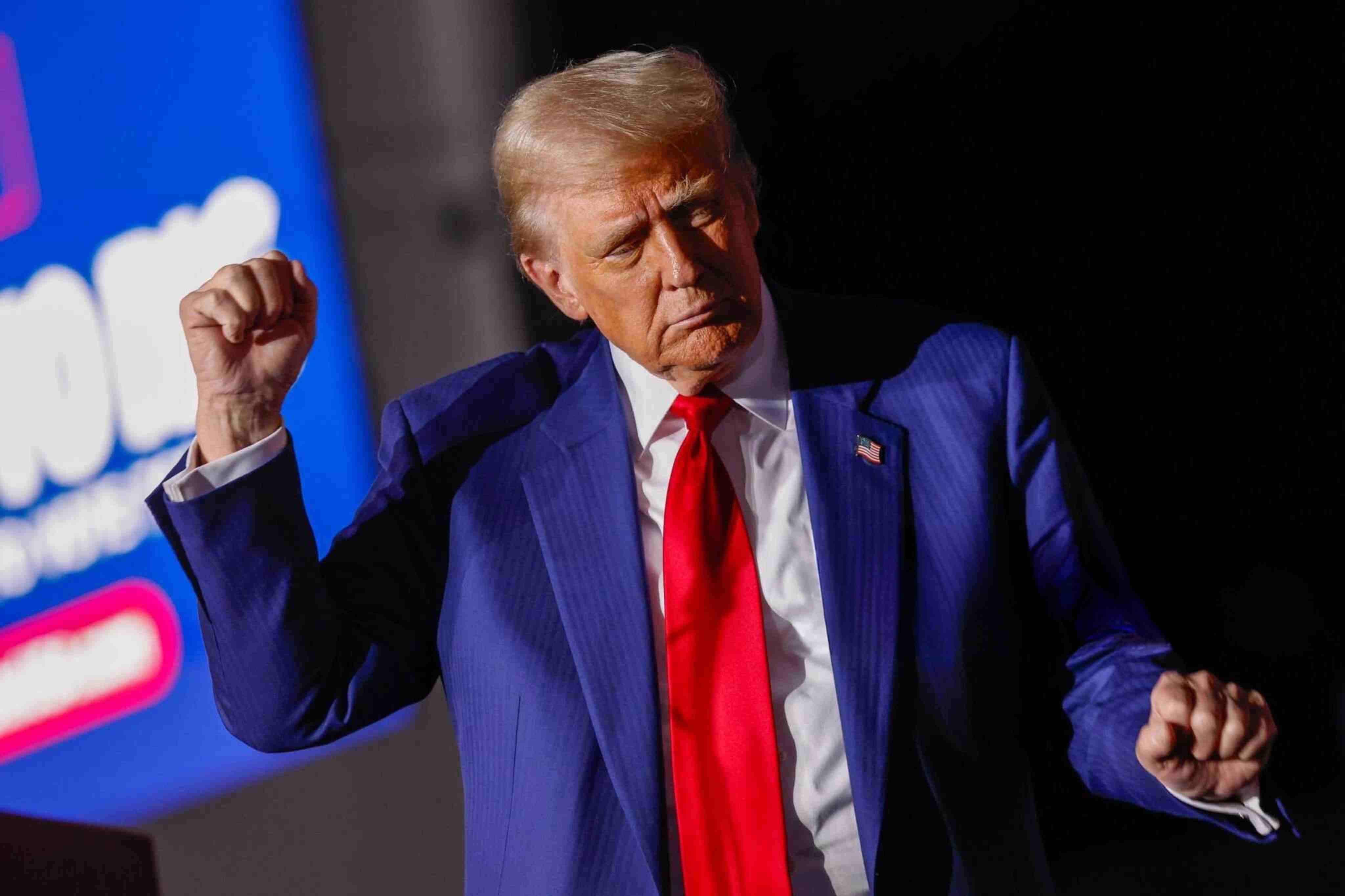
TradingKey - U.S. President Donald Trump posted on his social media platform Wednesday that Iran has stalled negotiations for a temporary peace deal for too long and will "pay the price." This follows renewed overnight strikes between the two sides, further straining an already fragile two-month ceasefire agreement.
International oil prices rose on the news. Brent crude futures briefly broke above $93 before paring some gains, though they remain elevated. The market is concerned that the prospects for negotiations to reopen the Strait of Hormuz are further dimming.
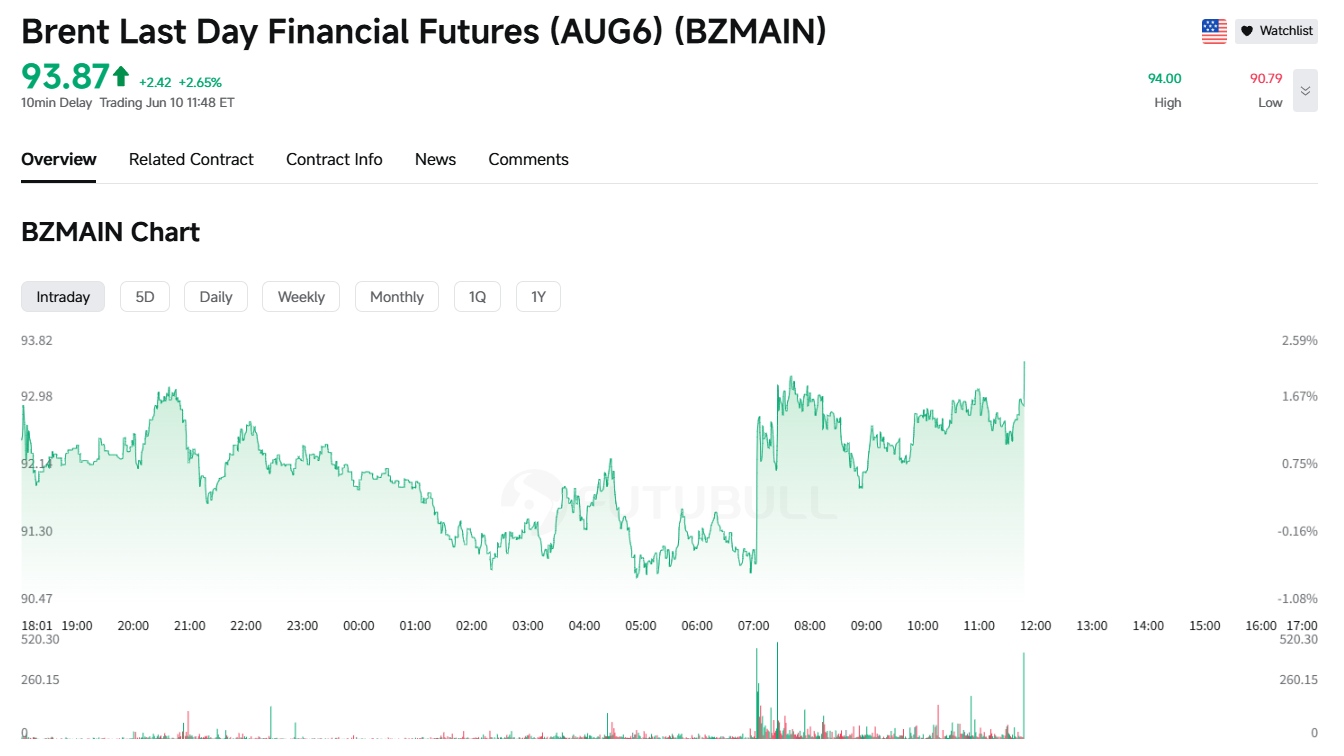
[Source: FutuBull]
While threatening to resume strikes, Trump has repeatedly stated that a deal with Iran is "within reach." Despite tensions escalating since last week, he had previously signaled a desire to contain the conflict and avoid a return to full-scale war. The White House said negotiations with Iran are ongoing and the U.S. will continue to apply pressure to facilitate an agreement.
Additionally, Iran stated that a Qatari delegation arrived in Tehran on Wednesday to consult on the diplomatic process to end the war.
Bloomberg analysis indicates that both sides are attempting to shape the ceasefire agreement, and these intermittent exchanges of fire are part of a protracted conflict. The ceasefire has not collapsed, but this will be the new normal—a ceasefire agreement that is constantly being tested.
The primary points of contention in the current negotiations are Iran's demand for the U.S. to unfreeze more than $10 billion in overseas assets, and whether it will agree to dilute its highly enriched uranium stockpiles or ship them to a third country such as China. Additionally, the conflict between Israel and Hezbollah remains another key variable in the negotiations.
Repeated "escalations in conflict" have exposed a puzzling market phenomenon: Trump is launching strikes against Iran while simultaneously posting on social media that a peace deal is "about to be signed."
According to media reports, this is the 37th time he has made such a statement. More notably, the crude oil market appears to fully buy into this narrative every time. Brent crude pares some gains on every "imminent ceasefire" headline, only to surge again with every escalation of strikes, creating a cycle of "impulsive drops, slow recoveries, and further impulsive drops."
However, this cycle is gradually losing its effectiveness. Previous "ceasefire expectations" could push Brent crude down by $3 to $5 per barrel, but in the most recent two instances, the declines narrowed significantly to just $1 to $2, with prices rebounding even faster.
Behind this phenomenon is a shift in the market's core logic for going long on energy—from "the end of geopolitical conflict" to "supply cannot recover in the short term, regardless of a ceasefire."
This means that as long as Iranian export capacity and navigation through the Strait of Hormuz are not truly restored, it matters little to the physical market how many times Trump says a deal is "about to be signed."
It is particularly noteworthy that crude oil inventories in some industrial nations are nearing rock bottom. Once inventories hit operational warning levels, restocking demand will become a rigid driver. At that point, the upward momentum in oil prices will no longer be driven by the sentiment swings of "ceasefire expectations" but by the forced pressure of physical supply gaps.
This content was translated using AI and reviewed for clarity. It is for informational purposes only.
Recommended Articles







Comments (1)
Click the $ button, enter the symbol, and select to link a stock, ETF, or other ticker.