


SpaceX Discloses Major Progress Before IPO, Orbital AI Computing Test Moved Forward to Late 2027, What Is the Impact on IPO Valuation?



AI Podcast


SpaceX plans to begin orbital AI computing infrastructure demonstrations by late 2027, moving its timeline forward. The company envisions deploying up to 1 million AI satellites, with Elon Musk detailing a satellite codenamed "AI1" featuring extensive solar panels for a 120-kilowatt computing load. Starship's development remains a critical uncertainty for large-scale deployment, though bulls cite simpler AI satellite structures and existing supply chains. Analysts offer varied valuations, with some noting passive index fund buying as an immediate catalyst, potentially driving the stock beyond fundamentals.
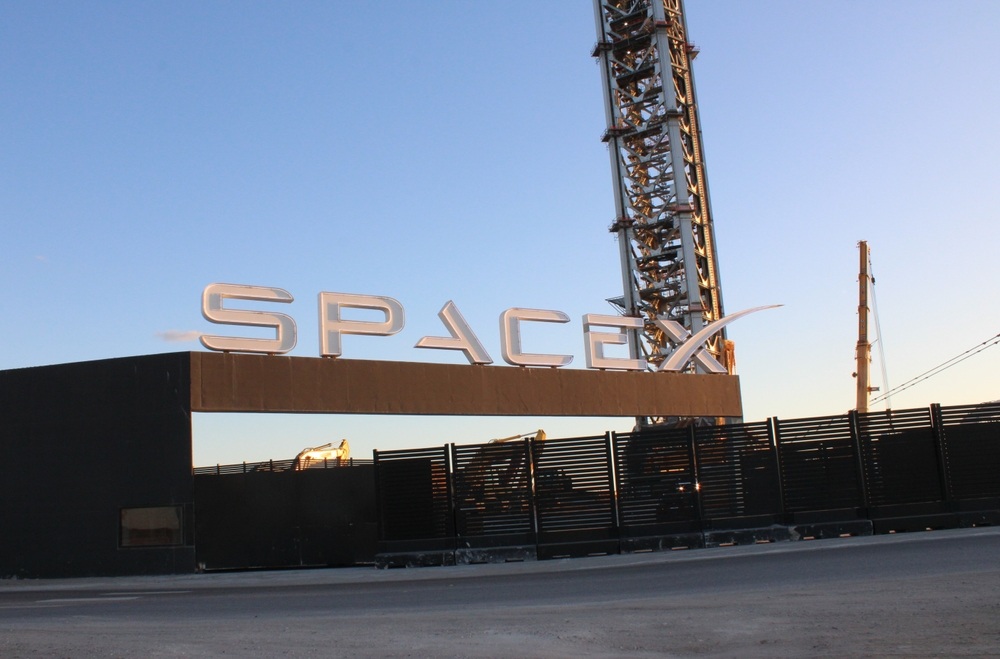
TradingKey - SpaceX President Gwynne Shotwell and CFO Bret Johnsen stated that the company plans to initiate the first demonstration launches of its orbital AI computing infrastructure by the end of 2027, according to Reuters, citing two attendees.
This indicates that the previous conservative estimate of "2028 at the earliest" has been moved forward. It should be noted that the "earliest 2028" timeline in the prospectus did not clearly distinguish between demonstration missions and commercial deployment. While the new late-2027 target is significantly sooner, it still represents a technical verification phase, with large-scale commercial operations awaiting further iterations.
Market analysts suggest that the milestones outlined in the prospectus actually provide a buffer for potential delays in Starship development and satellite manufacturing.
The orbital computing project is a core asset through which SpaceX showcases its long-term vision to capital markets. In its IPO filing, the company claims to be the only entity with a commercially viable path to building orbital AI computing systems at scale.
Technology roadmap
SpaceX CEO Elon Musk provided the first detailed presentation of the core specifics of an AI satellite solution in a recently released video.
He unveiled renderings and specifications for a satellite codenamed "AI1," which will feature massive photovoltaic panels with a 70-meter wingspan capable of supporting an average computing load of 120 kilowatts, peaking at 150 kilowatts. He specifically noted that this level of power consumption and computing capacity is roughly equivalent to a single Nvidia GB300 AI server rack, which typically has a peak power consumption of around 140 kilowatts.
Regarding technical feasibility, Musk stated clearly that building orbital AI data centers is not an insurmountable engineering challenge, as the existing Starlink satellite network already possesses most of the necessary technology. AI satellites essentially consist of numerous solar cells, radiators, and laser links; they do not require the complex broadband antennas found on Starlink satellites, making them easier to design.
According to application documents SpaceX submitted to the FCC, the company plans to launch as many as 1 million low-Earth orbit (LEO) AI satellites to perform complex artificial intelligence computing tasks in Earth's orbit.
Starship remains the biggest uncertainty.
The success of the orbital computing roadmap is inextricably linked to the Starship fully reusable rocket program. Each Starship launch offers more than 20 times the payload capacity of a Falcon 9, enabling the bulk transport of solar panels, radiators, and chips. However, Starship's current progress lags behind initial expectations, and it has yet to demonstrate the rapid reusability required for large-scale, low-cost satellite deployment.
SpaceX has made it clear that it views Starship as the only realistic vehicle for the large-scale deployment of orbital computing power. However, capital markets remain significantly divided over the expected timeline for this progress.
Bulls argue that AI satellites have simpler structures and can leverage the existing Starlink supply chain, making rapid mass production much more likely than previously anticipated. Skeptics, however, point out that Starship has yet to complete a full commercial payload delivery; if the deployment timeline is pushed back further, the entire orbital computing narrative will face a fundamental challenge.
According to people familiar with the matter, Musk has set a goal to achieve an annual deployment of 1 gigawatt of orbital AI computing capacity by the end of 2027, followed by a tenfold increase each year thereafter.
Risk Variables and Valuation Comparison
While the early progress of orbital computing projects has certainly bolstered market expectations for SpaceX's long-term narrative, investors must still consider the following real-world constraints.
Morningstar analysts believe SpaceX's fair valuation is only about $780 billion, less than half of its target IPO valuation. Separately, NYU valuation expert Aswath Damodaran estimates the fair equity value at approximately $1.3 trillion, or roughly $99 per share.
Previously, the cash trading team at BNP Paribas estimated that inclusion in the Nasdaq 100 alone would generate approximately $8 billion in passive inflows during the first month of listing; a future inclusion in the S&P 500 would bring an additional $13 billion. Combined with structural buying from index funds expected to lock up about 30% of the float within 15 trading days, SpaceX's valuation faces structural tailwinds that could drive it above fundamentals in the short term, though this is not necessarily linked to the company's actual commercialization progress.
Summary
The clear advancement of orbital AI computing test milestones is a key signal to capital markets that SpaceX's space AI empire narrative is materializing, thereby raising the discounted valuation of the company's long-term AI infrastructure revenue.
However, investors must distinguish between two distinct logical drivers: orbital computing represents a long-term option for the $1.77 trillion valuation, while passive buying from index funds acts as an immediate catalyst. While the accelerated timeline for orbital AI computing tests certainly boosts sentiment, translating this into actual earnings may still take years. Given the extreme scarcity of floating shares, continuous buying by index funds could push the stock price far beyond a reasonable fundamental range in the short term.
This content was translated using AI and reviewed for clarity. It is for informational purposes only.
Recommended Articles





Comments (0)
Click the $ button, enter the symbol, and select to link a stock, ETF, or other ticker.