


Samsung Sets Another 20% Price Hike Target After DRAM Rises for Two Quarters. AI Crowding Out Capacity Triggers Chain Reaction, Will Storage Giants Launch a New Round of Price Increases?



AI Podcast


Samsung Electronics is aggressively pursuing a 20% average selling price increase for DRAM in Q3, driven by structural supply shortages caused by high AI computing demand and HBM production shifts. While Samsung leads this hike, the move pressures downstream sectors, including smartphones and PCs, potentially forcing further consumer price adjustments. Despite concerns regarding implementation, widespread long-term supply agreements and sustained datacenter investment bolster memory manufacturer profitability into 2027. However, TrendForce projects the actual Q3 contract price growth will likely moderate to 13–18% due to existing contractual constraints.
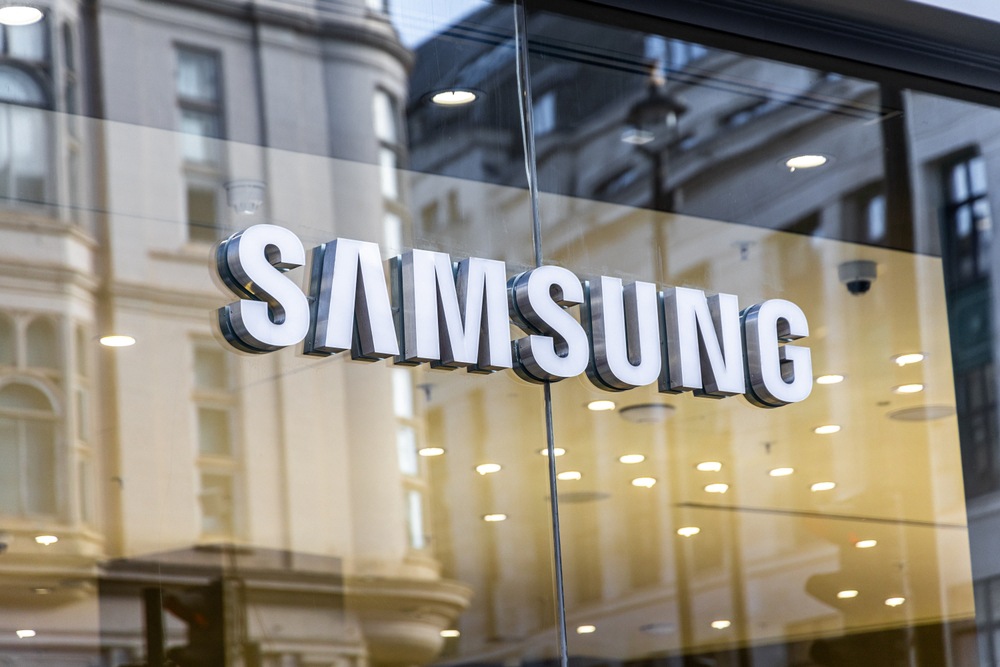
TradingKey - Against the backdrop of the continuous cooling-up of the AI infrastructure investment boom, the price hike cycle in the global memory chip market is still extending.
On July 3, according to a report by the South Korean IT media outlet ZDNet Korea, Samsung Electronics is conducting third-quarter DRAM price negotiations with downstream customers, aiming to raise the average selling price (ASP) by up to 20% compared to the previous quarter. Among these, the price increase for low-power DRAM (LPDDR), which faces supply bottlenecks in both server and mobile sectors, is even expected to exceed 20%.
Samsung's tough stance in this round of price negotiations is backed by the structural shortage of memory chips brought about by the explosive demand for AI computing power.
As global tech giants accelerate the construction of AI server clusters, the DRAM consumption of a single AI server is 8 to 10 times that of a traditional server, while the demand for High Bandwidth Memory (HBM) is growing exponentially.
To seize the technological high ground in the AI era, leading manufacturers such as Samsung have tilted a large amount of production capacity toward HBM, directly causing a severe supply deficit in general-purpose DRAM and mobile LPDDR. Currently, all three major categories—server DRAM, HBM, and LPDDR—are in a state of undersupply, granting memory manufacturers unprecedented pricing power.
In fact, this is already the third time Samsung has pushed for DRAM price hikes this year.
In the first quarter of this year, Samsung's average DRAM selling price surged by approximately 90% compared to the previous quarter. Although the growth narrowed in the second quarter, it still reached 50% to 60%. While the third-quarter target increase of 20% has slowed down compared to the previous two quarters, it remains aggressive against the backdrop of the industry's high base period.
In contrast, SK Hynix, which has a higher proportion of HBM production, is expected to see a smaller price increase than Samsung. This difference stems primarily from the distinct product structures of the two companies—Samsung's general-purpose DRAM accounts for a higher proportion of total output, yielding greater price elasticity, and the company has been more proactive in pushing for price hikes.
Cost pressures across the entire industry chain continue to rise.
The continuous rise in DRAM prices is triggering a chain reaction across the entire industry chain. In the consumer electronics sector, phone manufacturers such as Apple and Xiaomi have taken the lead in raising the prices of new models, while the cost of high-end gaming rigs has increased by over 10,000 yuan, and DIY PC assembly costs have risen significantly.
In the automotive and industrial sectors, spot prices for automotive-grade DDR5 have surged by over 300%, leading to higher vehicle manufacturing costs and even triggering warnings of supply chain disruptions for medical equipment.
Notably, Samsung's price adjustment comes on the eve of the release of several flagship products, including three Samsung foldable phones, two high-volume iPhone models from Apple, and the first foldable iPhone. The DRAM price hike will directly impact the cost structure of upcoming phones.
For downstream PC and smartphone manufacturers, cost pressures are constantly mounting. Many manufacturers have already lowered their earnings targets, and the new round of price hikes driven by Samsung could further exacerbate the related pressure.
Although Apple and Samsung's mobile divisions have already secured DRAM for their third-quarter flagship devices, mobile devices launched in the fourth quarter of 2026 and the first quarter of 2027, such as the Galaxy S27 series, may find it harder to cope with rising component costs.
If Samsung successfully pushes through a price hike of around 20%, SK Hynix and Micron Technology are also likely to follow suit with similar measures, further intensifying the cost pressure on downstream manufacturers.
Long-term supply agreements lock in high profitability expectations.
Despite market doubts about whether DRAM prices can sustain their previous upward pace, the industry generally believes that memory manufacturers' high profitability is expected to extend into next year.
The core supporting factor is that the scale of Long-Term Agreements (LTAs) signed between customers and memory manufacturers continues to expand. These long-term contracts not only lock in purchase volumes but also set price floors that guarantee high profit levels, effectively curbing the risk of a sharp downward trend in future prices.
For instance, Micron Technology disclosed late last month that it had signed 16 long-term supply agreements with customers, reflecting customers' expectations of a continuous tight supply in the medium to long-term memory market.
At the same time, the sustainability of demand for AI computing power also provides solid support for the memory market. Hiroo Ota, CEO of Japanese memory giant Kioxia, stated clearly that no signs of weakening datacenter demand have been observed, hinting that the company might increase capital expenditures.
Although Meta is promoting the commercialization of its cloud services and selling its surplus internal computing power externally, it had already raised its full-year AI infrastructure investment plan to between $125 billion and $145 billion in April, leaving its direction of continuously expanding capital expenditures unchanged.
Uncertainty Hangs Over Samsung's Price Increase Plans
However, whether Samsung's price hike plan can be fully implemented remains uncertain. An industry insider noted that while Samsung maintained a highly aggressive stance during the third-quarter price negotiations, it is still undecided whether customers will fully accept the terms.
Since purchase prices for some buyers are constrained by long-term contract provisions, the overall price increase may be somewhat moderated. TrendForce projects that the contract price increase for DRAM in the third quarter of 2026 will narrow to 13–18%, falling short of the 20% target proposed by Samsung.
This content was translated using AI and reviewed for clarity. It is for informational purposes only.
Recommended Articles




Comments (0)
Click the $ button, enter the symbol, and select to link a stock, ETF, or other ticker.