


Two Major Crude Oil Futures Surge Nearly 10%: US-Iran Conflict Reignites, WTI Returns to $78, Brent Returns to $83



AI Podcast


Crude oil futures surged over 9% as the US military initiated a naval blockade of Iranian ports effective July 14 at 20:00 GMT, following kinetic strikes by USVs on Bandar Abbas. While transit through the Strait of Hormuz for neutral vessels remains permitted, the imposition of a 20% security levy and ongoing regional instability have heightened supply concerns. Analysts suggest that thin inventory buffers and the logistical complexity of restoring safe passage indicate that geopolitical risk premiums for oil and LNG will remain more persistent than the market previously anticipated.
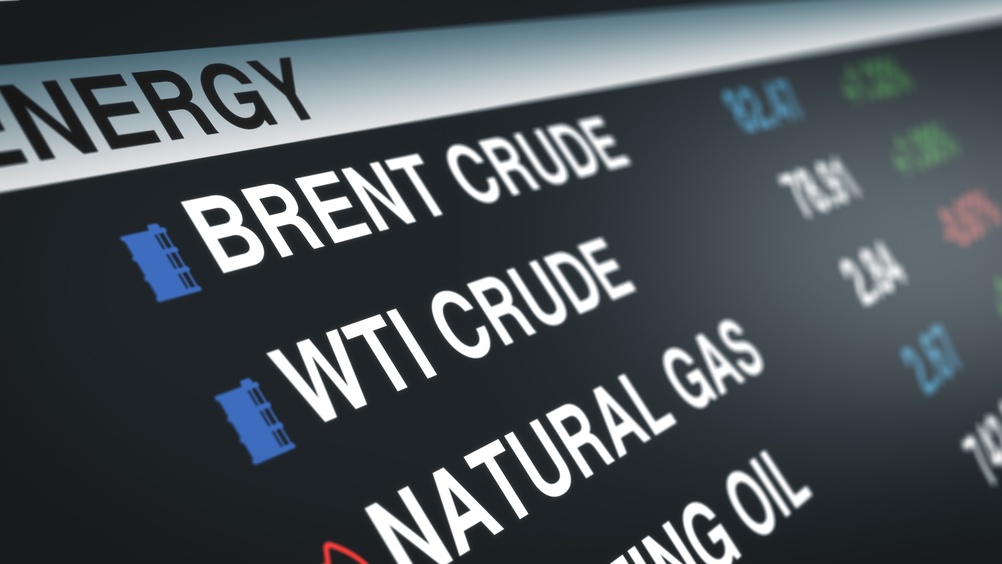
TradingKey - The two major crude oil futures surged close to 10%. As of press time, WTI crude rose 9.22% to $78.09, while Brent crude rose 9.39% to $83.15.
According to reports, the US Navy-led Joint Maritime Information Center stated that the US military will begin implementing a naval blockade of all Iranian ports and coastal areas starting at 20:00 GMT on July 14. The blockade applies to all vessels, regardless of the flag they fly. The blockade covers the entire Iranian coastline, including but not limited to all Iranian ports and oil terminals. The blockade will not impede the transit of neutral vessels through the Strait of Hormuz to and from non-Iranian destinations. Shipments of humanitarian aid will be permitted to pass, subject to inspection.
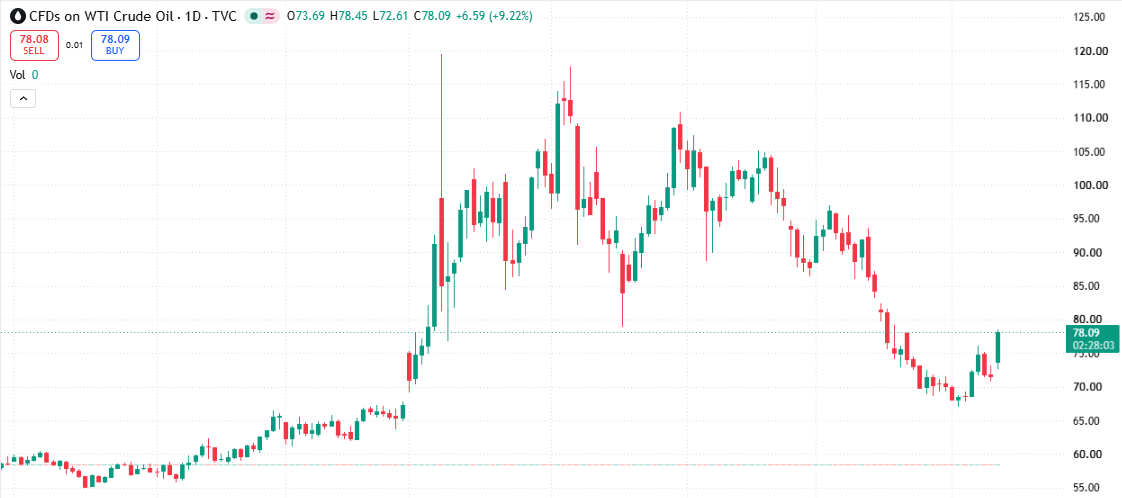
[Source: TradingView]
Just hours earlier, US President Donald Trump stated that the "Blockade Iran" operation would resume. From now on, the United States will be known as the "Guardian of the Strait of Hormuz", but as guardian, and out of fairness, the US will levy a 20% fee on all cargo shipments to offset all costs required to provide safety and security for this volatile region of the world.
Iran's Foreign Minister responded, saying: "President Trump is absolutely correct. Any party providing security for the safe passage of commercial vessels through the Strait of Hormuz should be compensated for it. However, a 20% charge is certainly too high, and we will charge a fair rate."
Meanwhile, the Pentagon formally confirmed that the US military deployed armed maritime drone boats in combat for the first time on Sunday, launching precision strikes against submarine and ship repair facilities at Iran's Bandar Abbas naval base. Simultaneously, US Central Command released footage of the operation on social media. Three unmanned surface vessels (USVs) entered the port area at high speed, detonated after striking pier targets, and completed the strike mission.
Crude oil futures extended gains as the US reimposed its blockade on Iran and Iran claimed the Strait of Hormuz had been closed. Henry Hoffman, co-portfolio manager of the Catalyst Energy Infrastructure Fund, said in a report: "The market prematurely viewed the partial reopening as the end of the crisis." He noted that inventory buffers are much thinner than they were at the start of the conflict. The necessity of rebuilding inventories, repairing damaged facilities, and convincing shippers that the strait is genuinely safe means that risk premiums for oil, refined products, and liquefied natural gas (LNG) will be more persistent than what the market anticipated following a ceasefire.
This content was translated using AI and reviewed for clarity. It is for informational purposes only.
Recommended Articles










Comments (0)
Click the $ button, enter the symbol, and select to link a stock, ETF, or other ticker.