


Spot Gold Plunges 3% to Breach $3,900: What Caused the Drop in Gold Prices?



AI Podcast


On October 30, Eastern Time, spot gold and silver suffered sharp declines, losing key psychological levels amid mounting inflation and monetary tightening concerns. Rising crude oil prices, fueled by Middle East shipping disruptions and a stronger-than-expected September PCE price index, reinforced market expectations for a Federal Reserve rate hike in December. This shifted focus away from traditional safe-haven demand toward higher opportunity costs of holding non-yielding assets. Consequently, precious metals face dual pressures from inflation and rate hike expectations, with future price trajectories hinging on energy market volatility and upcoming central bank policy decisions.
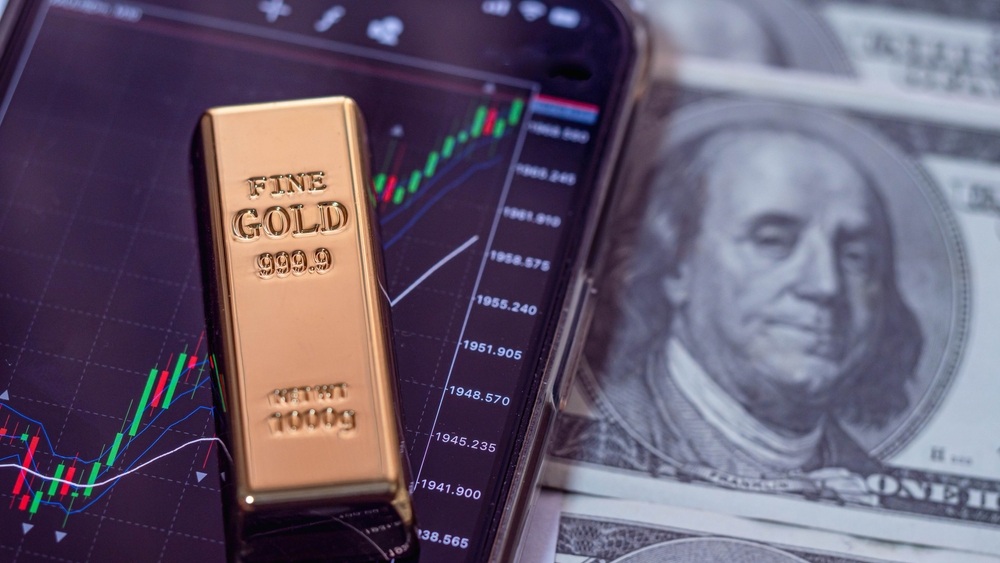
TradingKey - On October 30, Eastern Time, international gold and silver prices both fell, with spot gold (XAUUSD) losing the $3,900 level and briefly touching $3,891, down over 3%; spot silver fell below the $50 mark, dropping over 5%.
Gold has accumulated a decline of over 6% this month, heading for a second consecutive monthly loss, while silver has dropped about 18% since October. Reportedly, rising oil prices have heightened energy inflation concerns and reinforced market expectations for a Federal Reserve rate hike in December. This is also one of the primary drivers behind the current gold sell-off.

Spot gold price chart, Source: TradingView
Currently, Brent crude remains high above $110, while U.S. WTI crude stays above $100. According to Reuters citing maritime security sources, a tanker was hit by a limpet mine in the Strait of Hormuz on Thursday, setting the engine room on fire and temporarily disabling navigation. The United Kingdom Maritime Trade Operations (UKMTO) stated that the crew is safe, the fire has been extinguished, and the vessel subsequently proceeded to its next port of call. Responsibility for the attack has not yet been determined.
Meanwhile, the U.S. September Personal Consumption Expenditures (PCE) price index published on Thursday rose 0.5% month-on-month, marking the largest increase since March this year. The Federal Reserve kept its benchmark interest rate unchanged this week but did not rule out the possibility of a further rate hike before the end of the year. According to the CME FedWatch tool, traders currently price in an approximately 75% probability of a Fed rate hike in December.
This also explains why gold remains under pressure despite rising geopolitical risks: the market is paying closer attention to the impact of surging oil prices on inflation and monetary policy. Higher interest rates typically raise the opportunity cost of holding non-yielding gold, dampening its appeal relative to interest-bearing assets and creating a tug-of-war between safe-haven demand and rate hike expectations.
Tim Waterer, chief market analyst at KCM Trade, stated that this week's U.S. macroeconomic data contained enough strong signals to keep a December Fed rate hike on the table. Given current oil price levels, gold is facing dual pressures from inflation and interest rate expectations.
Waterer said that while dip-buying had previously limited gold's losses, it remains to be seen whether investors will step in again. Amid ongoing Middle East shipping risks and elevated U.S. inflation, subsequent energy price movements and the Fed's December policy decision remain key market focuses.
This content was translated using AI and reviewed for clarity. It is for informational purposes only.
Recommended Articles











Comments (0)
Click the $ button, enter the symbol, and select to link a stock, ETF, or other ticker.