
Microsoft Corp
MSFTToday
+1.90%
5 Days
-6.77%
1 Month
-16.17%
6 Months
-23.58%
Year to Date
-17.05%
1 Year
-3.53%
TradingKey Stock Score of Microsoft Corp
Currency: USD Updated: 2026-02-06Key Insights
Microsoft Corp's fundamentals are relatively healthy, with an industry-leading ESG disclosure.and its growth potential is high.Its valuation is considered fairly valued, ranking 18 out of 482 in the Software & IT Services industry.Institutional ownership is very high.Over the past month, multiple analysts have rated it as Buy, with the highest price target at 596.93.In the medium term, the stock price is expected to trend down.Despite a very weak market performance over the past month, the company shows strong fundamentals and technicals.The stock price is trading sideways between the support and resistance levels, making it suitable for range-bound swing trading.
Microsoft Corp's Score
Support & Resistance

Score Analysis
Media Coverage

Microsoft Corp Highlights
Headquartered in Redmond, Washington, Microsoft Corporation operates as an American multinational technology conglomerate. Founded in 1975, the firm gained prominence in the personal computer revolution through software like Windows and has since expanded into internet services, cloud computing, video gaming, and other domains. Recognized as the world’s largest software provider, one of the most valuable U.S. public enterprises, and a globally iconic brand, Microsoft shapes the tech landscape.
Co-founded by Bill Gates and Paul Allen to develop and market BASIC interpreters for the Altair 8800, Microsoft emerged as a dominant force in PC operating systems with MS-DOS in the mid-1980s, succeeded by Windows. Between 1980 and 2021, the company released nine MS-DOS versions (median interval: 2 years) and thirteen Windows versions (median interval: 3 years). Its 1986 IPO and subsequent stock growth created three billionaires and approximately 12,000 millionaires among employees. Since the 1990s, it has diversified beyond operating systems. Steve Ballmer succeeded Gates as CEO in 2000, overseeing the 2011 acquisition of Skype Technologies (then Microsoft’s largest deal), a hardware push leading to the 2012 debut of its in-house Surface PCs, and the formation of Microsoft Mobile through Nokia.
Under Satya Nadella’s leadership (since 2014), Microsoft shifted focus to cloud computing, highlighted by the $26.2 billion 2016 acquisition of LinkedIn. Nadella also expanded gaming, establishing the Microsoft Gaming division in 2022 and acquiring Activision Blizzard for $68.7 billion in 2023, reinforcing Xbox’s global presence.
Since the 1990s, Microsoft has dominated IBM PC-compatible OS and office software markets. Notable products include Windows OS, Microsoft Office/Microsoft 365 (featuring Word, Excel, PowerPoint), Surface PCs, Xbox consoles/network, and services like Bing, MSN, Outlook.com, and Microsoft Store. In enterprise/development, it offers Azure cloud, SQL Server, and Visual Studio.
Counted among the Big Five U.S. tech giants (with Alphabet, Amazon, Apple, Meta), Microsoft hit a $1 trillion market cap in April 2019, the third U.S. firm to achieve this milestone. While criticized for monopolistic practices and software usability/security issues, its innovations continue to define industry standards.
Analyst Rating
Microsoft Corp News
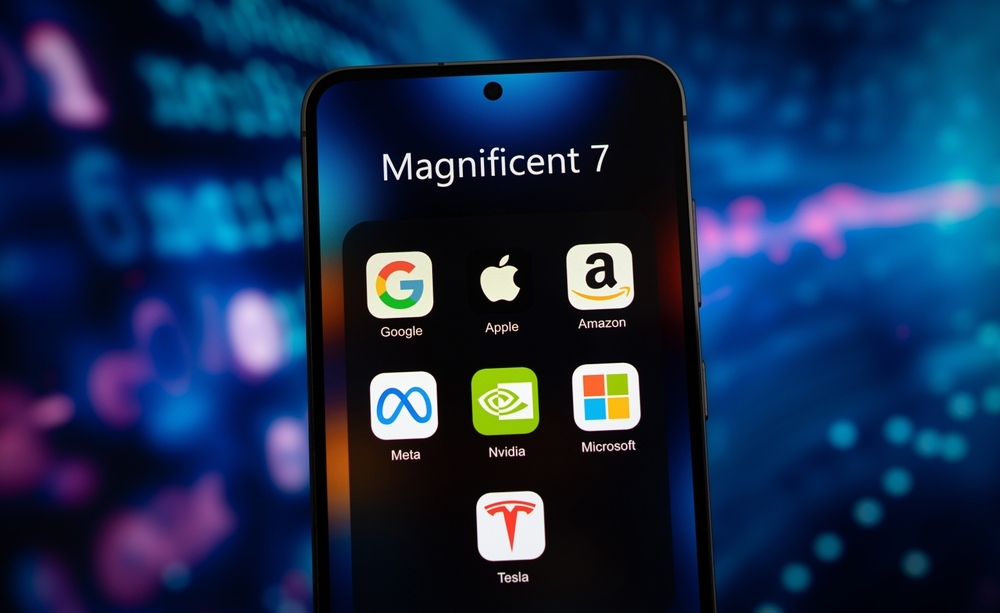
$660B Capex Bill Triggers $900B Wipeout: Why Apple Shares Outperform Amazon and Google Despite AI Lag
Based on financial disclosures, the combined 2026 capital expenditure forecasts for Meta, Amazon, Google, and Microsoft are projected to reach $660 billion. This figure is not only significantly higher than the $410 billion forecast for 2025 and $245 billion for 2024, but even surpasses the GDP of I
Google Cloud Revenue Surges 48% in Q4 as CapEx Guidance Nearly Doubles: Why the 7.5% After-Hours Dip?
TradingKey - After the close on February 4 (ET), Google (GOOG, GOOGL) released stellar Q4 results: total revenue grew 18% year-over-year, hitting a new quarterly record after revenue first surpassed $100 billion in Q3. The primary highlight was Google Cloud, where Q4 revenue surged 48% year-over-yea
From Compute Hegemony to Power Rivalry: Insight Into the Underlying Logic and Valuation Reconstruction Behind Google and Amazon’s 2026 Earnings Season
An in-depth analysis of the underlying logic behind Google and Amazon’s 2026 earnings reports, examining the critical impact of power resources and in-house chips on valuation rerating within the AI infrastructure race. By benchmarking against Microsoft’s financial results, this report reveals the CapEx efficiency and financial integrity of tech giants, offering investors a strategic perspective on the underlying dynamics behind the position shifts of top Wall Street institutions.
Microsoft Records Second-Largest Value Loss in US History; Is the 12% Intraday Slump an Overreaction?
TradingKey — On January 28, Eastern Time, Microsoft (MSFT) released its Q2 fiscal 2026 financial results, with both revenue and profit exceeding Wall Street expectations. However, the market responded unfavorably; the stock plunged more than 12% during intraday trading on Thursday, causing its marke
From Software Hegemony to Energy Sovereignty: Deep Analysis of Microsoft’s $148 Billion Physical Moat Revaluation Logic
An in-depth analysis of the underlying logic behind Microsoft’s $148 billion annual expenditure, revealing how the company secures energy sovereignty in the AI era through nuclear energy positioning and infrastructure development. This article provides a detailed examination of Microsoft’s transformation from a software vendor to an “AI power utility,” exploring its valuation rerating and physical infrastructure moat following the stock price pullback.
Why Google is the Premier MAG 7 Investment in 2026
Alphabet is much stronger than Microsoft (MSFT) or Amazon (AMZN) due to its unparalleled data advantage and better valuation when comparing how retail investors are viewing these companies for the foreseeable future.
Financial Indicators
EPS
Total revenue
Microsoft Corp Info
Headquartered in Redmond, Washington, Microsoft Corporation operates as an American multinational technology conglomerate. Founded in 1975, the firm gained prominence in the personal computer revolution through software like Windows and has since expanded into internet services, cloud computing, video gaming, and other domains. Recognized as the world’s largest software provider, one of the most valuable U.S. public enterprises, and a globally iconic brand, Microsoft shapes the tech landscape.
Co-founded by Bill Gates and Paul Allen to develop and market BASIC interpreters for the Altair 8800, Microsoft emerged as a dominant force in PC operating systems with MS-DOS in the mid-1980s, succeeded by Windows. Between 1980 and 2021, the company released nine MS-DOS versions (median interval: 2 years) and thirteen Windows versions (median interval: 3 years). Its 1986 IPO and subsequent stock growth created three billionaires and approximately 12,000 millionaires among employees. Since the 1990s, it has diversified beyond operating systems. Steve Ballmer succeeded Gates as CEO in 2000, overseeing the 2011 acquisition of Skype Technologies (then Microsoft’s largest deal), a hardware push leading to the 2012 debut of its in-house Surface PCs, and the formation of Microsoft Mobile through Nokia.
Under Satya Nadella’s leadership (since 2014), Microsoft shifted focus to cloud computing, highlighted by the $26.2 billion 2016 acquisition of LinkedIn. Nadella also expanded gaming, establishing the Microsoft Gaming division in 2022 and acquiring Activision Blizzard for $68.7 billion in 2023, reinforcing Xbox’s global presence.
Since the 1990s, Microsoft has dominated IBM PC-compatible OS and office software markets. Notable products include Windows OS, Microsoft Office/Microsoft 365 (featuring Word, Excel, PowerPoint), Surface PCs, Xbox consoles/network, and services like Bing, MSN, Outlook.com, and Microsoft Store. In enterprise/development, it offers Azure cloud, SQL Server, and Visual Studio.
Counted among the Big Five U.S. tech giants (with Alphabet, Amazon, Apple, Meta), Microsoft hit a $1 trillion market cap in April 2019, the third U.S. firm to achieve this milestone. While criticized for monopolistic practices and software usability/security issues, its innovations continue to define industry standards.
Related Instruments



















Popular Symbols