


Palladium (XPDUSD) Is down 2.14% on Aug 18: Key Drivers to Watch



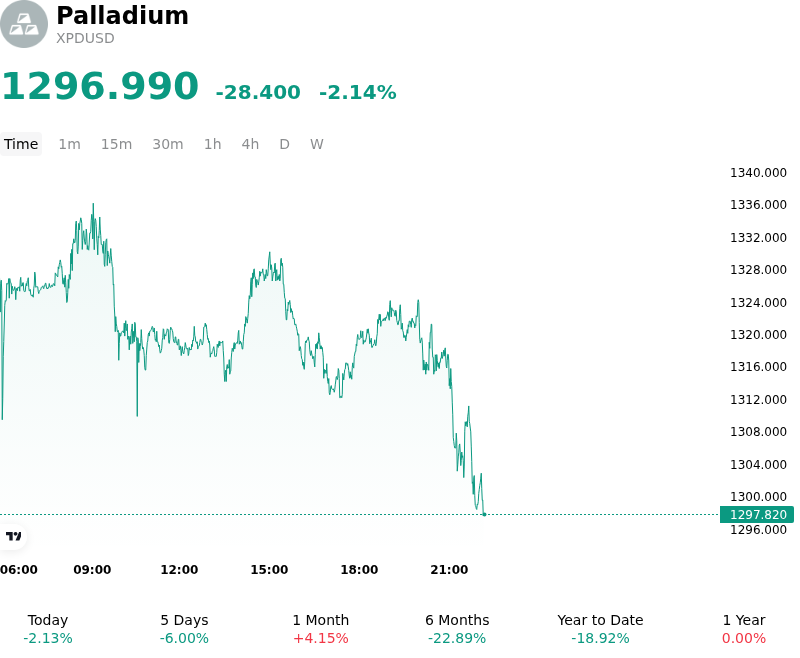
Palladium (XPDUSD) is down 2.14% at Aug 18 10:10(ET), now at $1296.99, with a 7-day down of 4.88%.
What is driving Palladium (XPDUSD)’s stock price down today?
The pullback in palladium was primarily driven by profit-taking and renewed concerns over long-term industrial demand after the metal reached multi-month highs in recent sessions. Following an upside surge fueled by potential supply bottlenecks and geopolitical risks, institutional traders moved to secure gains, exposing the market's underlying structural vulnerabilities. Because the palladium market is relatively small and thinly traded compared to major precious metals, unwinding speculative long positions often triggers outsized intraday volatility and downward repricing.
From a demand perspective, market sentiment continues to be weighed down by structural transitions in the global automotive sector, which accounts for the vast majority of total palladium consumption. Investors remain sensitive to expanding electric vehicle adoption and persistent thrifting practices by automakers, who continue replacing palladium with platinum in catalytic converter designs. Expectations of an eventual shift into a broader market surplus, coupled with rising secondary recovery from recycled vehicle scrap, restricted fresh buying interest at elevated price levels.
On the macroeconomic front, shifts in US dollar trajectory and broader precious metals sentiment contributed to the defensive trading tone. Although softer labor and inflation metrics had previously trimmed rate hike expectations and bolstered safe-haven assets, a consolidation in real yields and the US dollar spurred profit-taking across industrial-focused precious metals. Without immediate physical supply contractions materializing from key producing nations such as South Africa or Russia, the risk premium built into prices eroded.
Technically, the decline was amplified by systematic position adjustment once prices failed to hold upper boundary resistance. The inability to sustain higher levels triggered automated stop-loss orders and short-term trend-following liquidations. Looking ahead, market participants continue to balance short-term physical mine disruptions against medium-term structural demand headwinds in auto manufacturing.
Technical Analysis of Palladium (XPDUSD)
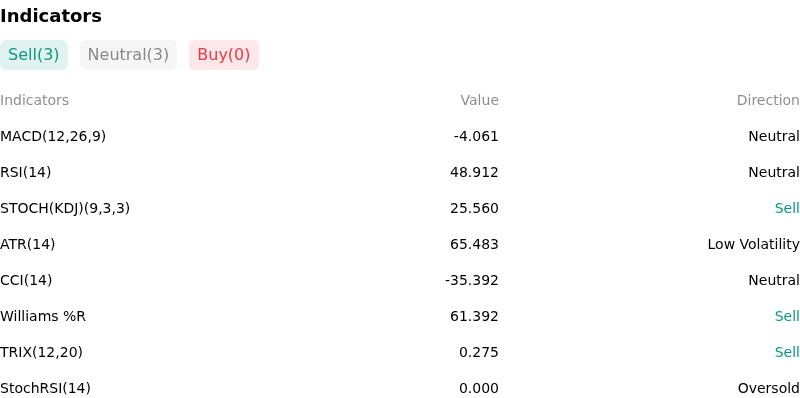
Technically, Palladium (XPDUSD) shows a MACD (12,26,9) value of -4.061, indicating a neutral signal. The RSI at 48.912 suggests neutral condition and the Williams %R at 61.392 suggests sell condition. Please monitor closely.
More details about Palladium (XPDUSD)
Recent Events and Risks:
- EV Adoption and Structural Autocatalyst Demand Erosion: The expanding global market share of battery electric vehicles, alongside ongoing substitution of palladium with platinum in catalytic converters, continues to undermine long-term baseline demand from the automotive sector, which accounts for over 80% of global palladium consumption.
- Technical Resistance Rejection and Momentum Softening: XPDUSD pulled back below $1,330 per ounce after failing to sustain gains above $1,380 per ounce resistance, with weakening technical momentum and indicator divergence triggering speculative long liquidation and intraday selling pressure.
- Sluggish Global Automotive Production Growth: Stagnant global light vehicle assembly forecasts and reduced catalyst loadings per vehicle are dampening spot purchases by automotive original equipment manufacturers (OEMs), leaving the physical market vulnerable to macroeconomic growth slowdowns.
- Secondary Supply Expansion via Autocatalyst Scrap Growth: Accelerating secondary recovery and rising autocatalyst scrap processing volumes are expanding market liquidity, dampening physical deficit pressures and capping supply-driven price spikes.
This article may include AI-generated content that is human-reviewed, which is for reference and general information purposes only and does not constitute investment advice.
Recommended Articles









Comments (0)
Click the $ button, enter the symbol, and select to link a stock, ETF, or other ticker.