


Equinor ASA Stock (EQNR) Moved Up by 4.37% on Aug 10: Facts Behind the Movement



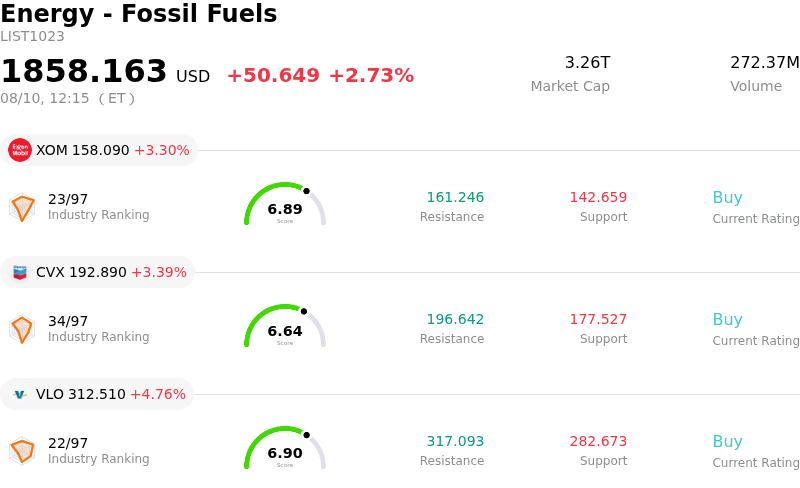
Equinor ASA (EQNR) moved up by 4.37%. The Energy - Fossil Fuels sector is up by 2.73%. The company outperformed the industry. Top 3 stocks by turnover in the sector: Exxon Mobil Corp (XOM) up 3.30%; Chevron Corp (CVX) up 3.39%; Valero Energy Corp (VLO) up 4.76%.
What is driving Equinor ASA (EQNR)’s stock price up today?
The upward momentum in Equinor is primarily driven by a significant rally in European natural gas prices and a firming of global crude oil benchmarks. As Europe’s largest supplier of natural gas, the company remains the primary beneficiary of supply-side tightness within the continental energy grid. Renewed concerns regarding pipeline maintenance schedules and geopolitical tensions affecting transit routes have heightened market anxiety, leading to a premium on immediate energy delivery. This environment directly bolsters the company’s cash flow expectations for the current quarter, prompting a positive reaction from market participants.
Beyond commodity prices, institutional sentiment has been buoyed by recent project milestones in the Norwegian Continental Shelf. The successful ramp-up of new production facilities, combined with lower-than-expected operational expenditure, highlights the company's efficiency in high-margin environments. Furthermore, positive commentary from major investment banks regarding the firm's capital allocation strategy, specifically its commitment to both high-yield dividends and share buybacks, has attracted value-oriented institutional investors seeking shelter from broader market volatility.
From a macroeconomic perspective, a softening of the U.S. dollar against the Norwegian Krone has provided a favorable tailwind for the stock’s valuation. Investors are increasingly viewing Equinor as a defensive play within the energy sector, given its robust balance sheet and lower debt-to-equity ratio compared to its global peers. The significant intraday volatility reflects a broader rotation out of high-growth technology sectors into cash-generative industrial and energy staples, as market participants hedge against inflationary pressures and potential shifts in central bank policies.
Looking ahead, the stock’s performance will likely remain tied to the volatility of the Title Transfer Facility gas futures and the stability of the European energy transition policy. While the immediate rise is supported by fundamentals, the high level of intraday movement suggests that high-frequency trading and algorithmic responses to energy news are amplifying price swings. Analysts remain focused on the company’s ability to balance its traditional fossil fuel profitability with its long-term transition toward offshore wind, a factor that continues to define its long-term risk-reward profile.
Technical Analysis of Equinor ASA (EQNR)
Technically, Equinor ASA (EQNR) shows a MACD (12,26,9) value of -0.261, indicating a neutral signal. The RSI at 54.530 suggests neutral condition and the Williams %R at 61.872 suggests sell condition. Please monitor closely.
Fundamental Analysis of Equinor ASA (EQNR)
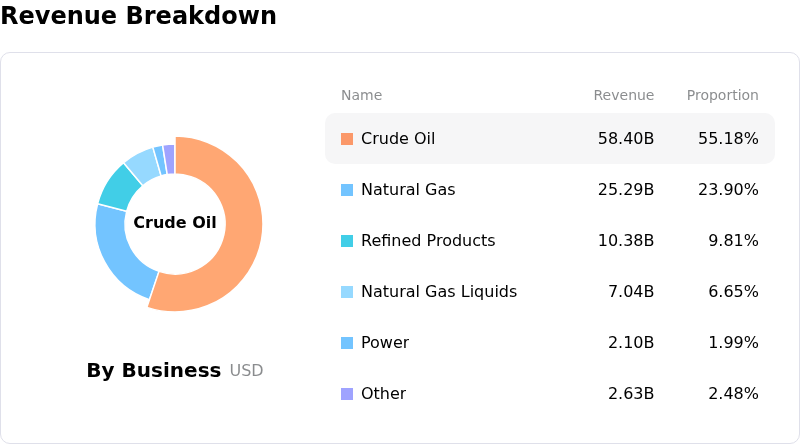
Equinor ASA (EQNR) is in the Energy - Fossil Fuels industry. Its latest annual revenue is $105.83B, ranking 9 in the industry. The net profit is $5.04B, ranking 9 in the industry. Company Profile
Over the past month, multiple analysts have rated the company as Hold, with an average price target of $35.89, a high of $39.88, and a low of $31.25.
More details about Equinor ASA (EQNR)
Company Specific Risks:
- Natural Gas Price Volatility: Equinor’s heavy reliance on European gas markets makes it hyper-sensitive to TTF price fluctuations; recent unplanned outages at Norwegian processing facilities have heightened concerns regarding short-term delivery volumes and revenue predictability.
- Regulatory and Tax Headwinds: The ongoing legal challenges to the Rosebank field development in the UK, combined with the potential for further extensions of the Energy Profits Levy, create significant uncertainty for the company’s North Sea capital allocation and long-term production growth.
- Renewable Energy Margin Pressure: Institutional analysts have raised concerns over the profitability of the company’s offshore wind portfolio as persistent inflation and supply chain bottlenecks continue to compress internal rates of return (IRR) on large-scale transition projects.
- Capital Allocation Conflict: There is increasing market anxiety regarding the sustainability of high special dividends and share buybacks as the company simultaneously scales up massive capital expenditures required for its energy transition strategy in a lower commodity price environment.
This article may include AI-generated content that is human-reviewed, which is for reference and general information purposes only and does not constitute investment advice.
Recommended Articles







Comments (0)
Click the $ button, enter the symbol, and select to link a stock, ETF, or other ticker.