


USD/JPY (USDJPY) Drops on Aug 3: What Are the Key Reasons?



USD/JPY (USDJPY) is down 0.66% at Aug 3 00:00(ET), now at $156.517, with a 7-day down of 4.40%.
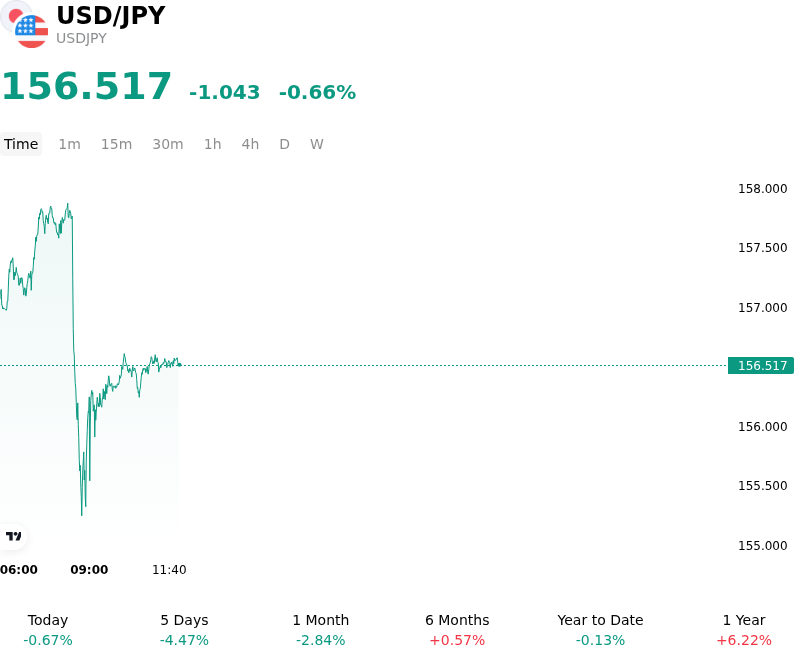
What is driving USD/JPY (USDJPY)’s stock price down today?
The decline in USDJPY is primarily driven by a narrowing of the US-Japan interest rate differential, fueled by a combination of softer-than-expected US economic data and persistent hawkish signals from the Bank of Japan. Investors are increasingly pricing in a more aggressive easing cycle from the Federal Reserve following recent labor market indicators that suggest a cooling of inflationary pressures and a potential slowdown in domestic consumption. This has led to a sustained pull-back in US Treasury yields, particularly at the front end of the curve, reducing the attractiveness of the dollar-funded carry trade.
Simultaneously, the Japanese Yen has found renewed support from expectations that the Bank of Japan is preparing for another incremental step in its policy normalization process. Recent commentary from BoJ officials has highlighted a growing confidence in the virtuous cycle between wages and prices, leading markets to anticipate a further hike in short-term rates. This shift in policy stance has encouraged a significant repatriation of capital by Japanese institutional investors and a broader unwinding of short-Yen positions by global macro funds.
Risk-off sentiment in global equity markets has further amplified the move, as heightening geopolitical tensions and concerns over a potential slowdown in global manufacturing have triggered a flight to safety. The Yen continues to function as a primary beneficiary of these defensive flows, especially as the structural disadvantage of negative interest rates has been removed. Technical factors also played a role, as the breach of key support levels triggered a wave of stop-loss selling, accelerating the downside momentum in a period of typically thinner summer liquidity.
Looking ahead, the sustainability of this downward trajectory will likely depend on the upcoming release of US non-farm payrolls and the subsequent reaction in the fixed-income markets. If US yields continue to trend lower while Japanese Government Bond yields remain resilient or move higher, the pressure on USDJPY is expected to persist. Investors remain sensitive to any further rhetorical shifts from Japanese authorities that might signal a lower tolerance for Yen weakness, adding an additional layer of downside risk to the pair.
Technical Analysis of USD/JPY (USDJPY)
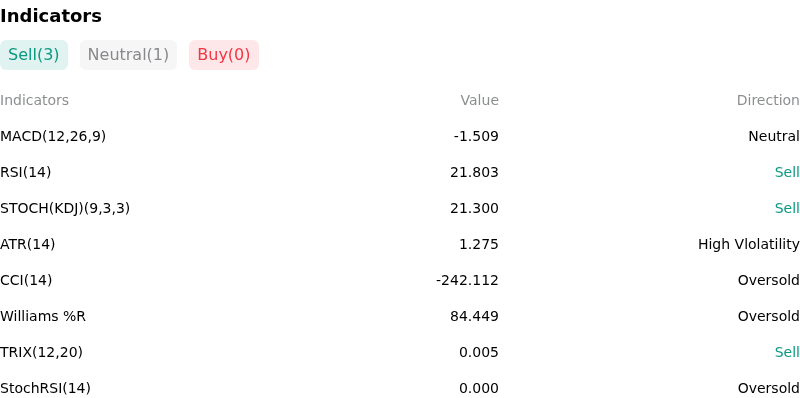
Technically, USD/JPY (USDJPY) shows a MACD (12,26,9) value of -1.511, indicating a neutral signal. The RSI at 21.766 suggests sell condition and the Williams %R at 84.631 suggests oversold condition. Please monitor closely.
More details about USD/JPY (USDJPY)
Recent Events and Risks:
- Aggressive Carry Trade Unwind: The narrowing yield differential between U.S. Treasuries and JGBs, exacerbated by the recent U.S. labor market miss, has triggered a massive liquidation of yen-funded carry trades, leading to sharp, non-linear USDJPY downside volatility.
- U.S. Recession Fears and Fed Re-pricing: Following the rise in the U.S. unemployment rate to 4.3% and the triggering of the Sahm Rule recession indicator, market participants are now pricing in aggressive 50-basis-point Fed rate cuts, stripping the dollar of its yield advantage.
- Japanese Equity Market Contagion: Historic single-day declines in the Nikkei 225 have induced a flight-to-safety into the Japanese Yen and forced deleveraging across global asset classes, significantly increasing intraday price gaps and liquidity risk for the pair.
- Bank of Japan Policy Normalization: Recent hawkish signals from Governor Ueda suggesting further interest rate hikes if economic projections are met have fundamentally shifted sentiment, ending the "lower-for-longer" yen regime and fueling sustained yen appreciation.
This article may include AI-generated content that is human-reviewed, which is for reference and general information purposes only and does not constitute investment advice.
Recommended Articles









Comments (0)
Click the $ button, enter the symbol, and select to link a stock, ETF, or other ticker.