


WTI (USOIL) Is up 4.45% on Jul 29: What Is Driving the Move?



WTI (USOIL) is up 4.45% at Jul 29 00:05(ET), now at $81.951, with a 7-day down of 5.07%.
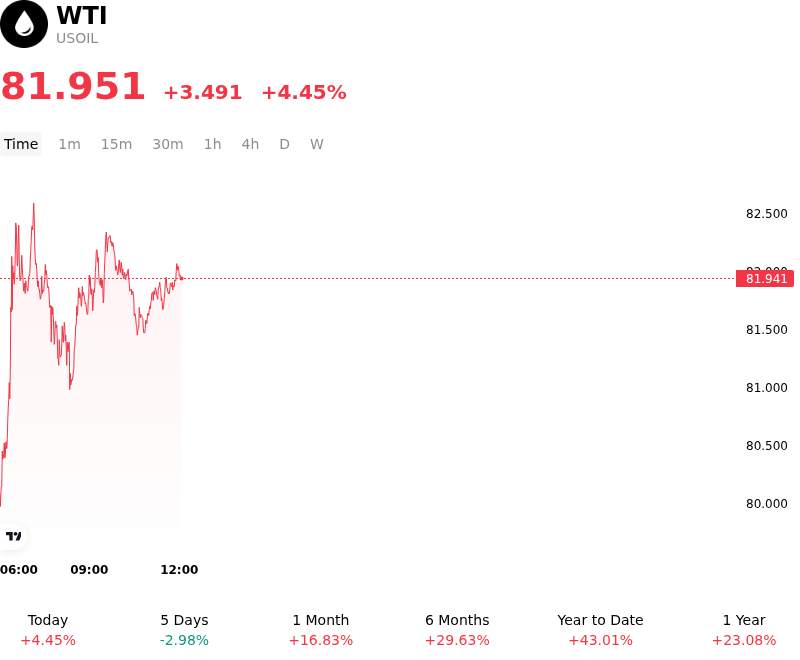
What is driving WTI (USOIL)’s stock price up today?
The sharp appreciation in WTI crude oil prices is primarily driven by a significant bullish surprise in the Energy Information Administration weekly petroleum status report. The data revealed a substantial drawdown in commercial crude inventories that far exceeded market expectations, signaling that the structural deficit in the domestic market is deepening during the peak of the summer driving season. This tightening is further evidenced by a simultaneous decline in gasoline and distillate stocks, suggesting that refinery utilization rates remain near their seasonal ceilings to satisfy robust end-user demand.
On the supply side, mounting concerns regarding geopolitical stability in key producing regions have reintroduced a significant risk premium into the energy complex. Reports of localized production outages and escalating tensions affecting critical maritime transit corridors have heightened fears of a sustained disruption to global flows. These supply-side anxieties are compounded by indications that OPEC+ may further delay the scheduled unwinding of voluntary production cuts, as the alliance remains focused on maintaining market balance amid fluctuating global economic signals.
Macroeconomic tailwinds have also played a decisive role in supporting the intraday rally. A softening of the US dollar, prompted by cooling inflation data and a shift in Federal Reserve policy expectations toward a more accommodative stance, has increased the attractiveness of dollar-denominated commodities for international buyers. This currency depreciation, coupled with an improvement in broader risk sentiment across financial markets, has encouraged institutional capital inflows back into the energy sector.
From a technical perspective, the price action suggests a period of intense short covering as the market breached key psychological resistance levels. The combination of falling physical inventories and a shifting macroeconomic backdrop has forced a repricing of the forward curve, with prompt spreads widening in a sign of increasing backwardation. Investors are now closely monitoring whether these supply constraints will persist into the fourth quarter or if high price levels will eventually trigger demand destruction in price-sensitive emerging markets.
Technical Analysis of WTI (USOIL)
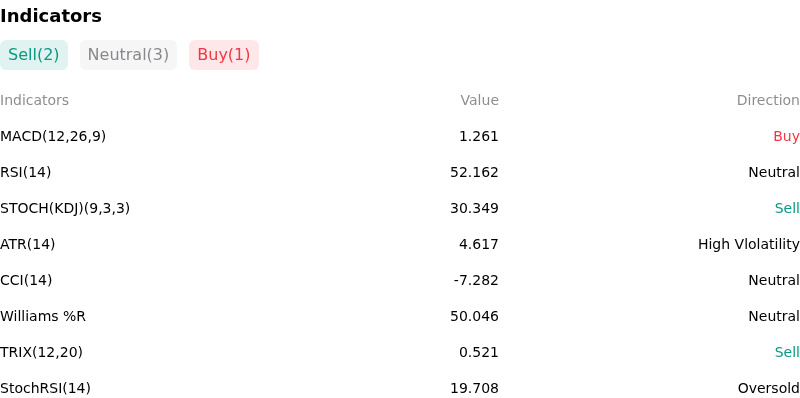
Technically, WTI (USOIL) shows a MACD (12,26,9) value of 1.269, indicating a buy signal. The RSI at 52.238 suggests neutral condition and the Williams %R at 49.781 suggests neutral condition. Please monitor closely.
More details about WTI (USOIL)
Recent Events and Risks:
- Chinese Industrial Demand Weakness: Recent manufacturing data and lackluster refining margins in China indicate a slowing industrial recovery, raising significant concerns that crude consumption from the world’s largest importer will underperform expectations throughout the current quarter.
- OPEC+ Production Uncertainty: Market volatility has increased following signals that several OPEC+ members may begin phasing out voluntary production cuts later this year, creating a downside risk of an oversupplied global market if non-OPEC output continues to hit record levels.
- Sluggish US Seasonal Demand: Despite the peak summer driving season, recent EIA reports show an unexpected accumulation of gasoline inventories and lower-than-average refinery utilization rates, suggesting that high retail prices are weighing on domestic fuel consumption.
- Geopolitical Premium De-escalation: The absence of new escalations in major producing regions and ongoing diplomatic negotiations have led to a rapid unwind of geopolitical risk premiums, as speculative traders liquidate long positions in favor of fundamental supply-demand data.
This article may include AI-generated content that is human-reviewed, which is for reference and general information purposes only and does not constitute investment advice.
Recommended Articles









Comments (0)
Click the $ button, enter the symbol, and select to link a stock, ETF, or other ticker.