


Morgan Stanley Stock (MS) Moved Down by 3.44% on Jun 26: A Full Analysis



Morgan Stanley (MS) moved down by 3.44%. The Banking & Investment Services sector is down by 0.54%. The company underperformed the industry. Top 3 stocks by turnover in the sector: JPMorgan Chase & Co (JPM) down 1.26%; Goldman Sachs Group Inc (GS) down 3.36%; SoFi Technologies Inc (SOFI) up 2.98%.
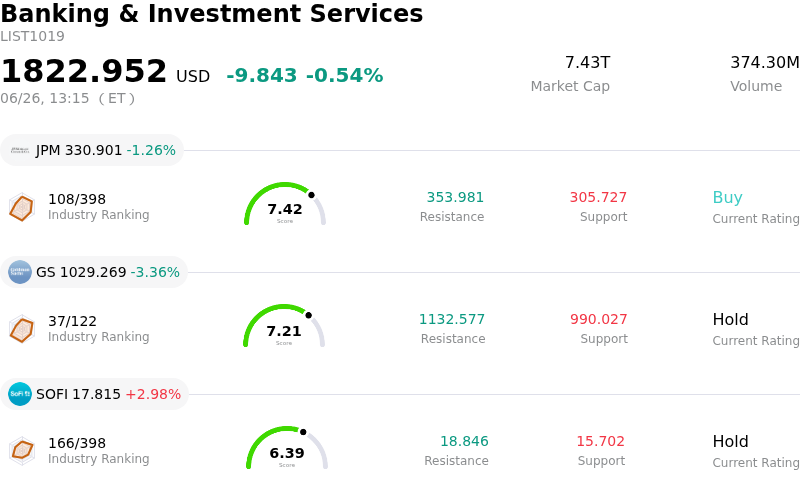
What is driving Morgan Stanley (MS)’s stock price down today?
The financial sector, particularly major investment banks and capital markets players like Morgan Stanley, experienced notable downward pressure and intraday volatility on this trading day. The primary catalyst driving the sell-off was widespread reports that artificial intelligence giant OpenAI is considering postponing its highly anticipated initial public offering until next year. Given that major investment banks stand to benefit immensely from underwriter and advisory fees on mega-cap tech listings, this potential delay has immediately dampened expectations for a near-term resurgence in lucrative capital markets activities.
The postponement of a marquee listing like OpenAI carries broader implications for market sentiment and institutional revenue projections. Massive tech IPOs act as a bellwether for investment banking health, and a delay indicates that issuers are adopting a highly cautious approach amidst shifting valuation dynamics and widening deficits within high-profile tech ventures. For Morgan Stanley, which maintains a leading position in institutional trading and wealth management, the sudden cloud over the near-term pipeline of underwriting fees prompted profit-taking from investors who had been positioning for a rapid recovery in global dealmaking.
This downward movement stands in contrast to the supportive regulatory news from earlier in the week. The Federal Reserve's annual banking stress test results confirmed that Morgan Stanley and other major financial institutions remain well-capitalized under adverse scenarios, which had prompted the bank to announce a significant dividend hike and reauthorize a multi-billion-dollar share repurchase program. However, today's trading action underscores that short-term stock performance is currently being dictated by deal flow expectations and broader market anxieties over the pacing of the technology boom, rather than regulatory capital buffers.
Additionally, the volatility on this trading day was amplified by institutional flows. The annual Russell index reconstitution, which takes place on this Friday, traditionally triggers substantial volume and rebalancing from passive funds and index trackers, exacerbating price swings for large-cap financial stocks. Ultimately, while Morgan Stanley's capital foundation remains strong, its near-term valuation remains highly sensitive to the pacing of the IPO market and broader institutional portfolio adjustments.
Technical Analysis of Morgan Stanley (MS)
Technically, Morgan Stanley (MS) shows a MACD (12,26,9) value of -0.241, indicating a neutral signal. The RSI at 61.269 suggests neutral condition and the Williams %R at 38.271 suggests buy condition. Please monitor closely.
Media Coverage of Morgan Stanley (MS)
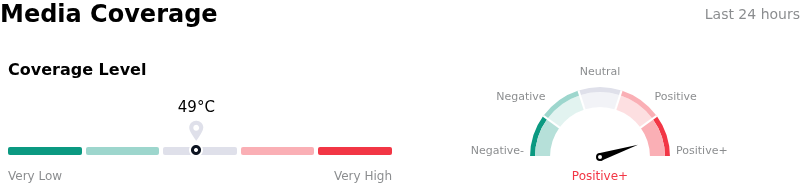
In terms of media coverage, Morgan Stanley (MS) shows a coverage score of 49, indicating a moderate level of media attention. The overall market sentiment index is currently in extremely bullish zone.
Fundamental Analysis of Morgan Stanley (MS)
Morgan Stanley (MS) is in the Banking & Investment Services industry. Its latest annual revenue is $114.74B, ranking 3 in the industry. The net profit is $16.25B, ranking 2 in the industry. Company Profile
Over the past month, multiple analysts have rated the company as Buy, with an average price target of $206.74, a high of $230.00, and a low of $145.00.
More details about Morgan Stanley (MS)
Company Specific Risks:
- Private Credit Redemption Squeeze: On June 23, 2026, Morgan Stanley’s flagship $7 billion private credit vehicle, the North Haven Private Income Fund (PIF), was forced to gate investor redemptions, limiting them to 5% after receiving repurchase requests for 11.6% of outstanding units. This consecutive quarter of gating underscores persistent liquidity stress and mounting investor anxiety regarding credit deterioration and lending standards within retail-facing private credit channels.
- Reputational and Regulatory Risks from MFS Association: Reports on June 25, 2026, linked Morgan Stanley as a crucial early backer (providing a £50 million loan) to Earthave Bridging, an entity associated with Market Financial Solutions (MFS). MFS collapsed under £1.8 billion ($2.4 billion) in debt and is currently the subject of a major Financial Conduct Authority (FCA) probe, exposing Morgan Stanley to heightened reputational risk and scrutiny over its private credit underwriting diligence.
- Underwriting Fee Headwinds from Tech IPO Delays: On June 26, 2026, reports that OpenAI is considering postponing its highly anticipated initial public offering (IPO) to next year caused Morgan Stanley’s stock to drop as much as 4.1% in intraday trading. This potential delay threatens to restrict lucrative investment banking advisory and underwriting fee pipelines, which are vital to MS's capital markets division.
- Macro Liquidity and Interest Rate Vulnerability: In research notes published between June 23 and June 26, 2026, Morgan Stanley’s own strategy and macro teams warned of an accelerating global "liquidity squeeze" and the risk of further Federal Reserve rate hikes if the unemployment rate drops below 4%. Tightening financial conditions and market volatility pose direct headwinds to Morgan Stanley’s wealth and asset management divisions by slowing asset inflows and depressing equity valuations.
This article may include AI-generated content that is human-reviewed, which is for reference and general information purposes only and does not constitute investment advice.
Recommended Articles









Comments (0)
Click the $ button, enter the symbol, and select to link a stock, ETF, or other ticker.