


 Discount


Will Apple Sign Long-Term DRAM Supply Agreements With Samsung, SK Hynix as AI Boom Reshapes Memory Chip Procurement?


AI Podcast


Driven by surging AI data center demand for high-bandwidth memory and server DRAM, global memory chip supply-demand dynamics are shifting. Apple is reportedly negotiating four-to-five-year long-term DRAM supply agreements with Samsung and SK Hynix, potentially starting in the first half of 2027, to prioritize supply security over its traditional short-term bargaining flexibility. While these contracts guarantee minimum volumes without locking in prices, they expose Apple to market-based pricing risks and minimum purchase commitments. This trend signals that memory shortages may persist, bolstering manufacturers' pricing power while putting margin and cost pressures on consumer electronics.
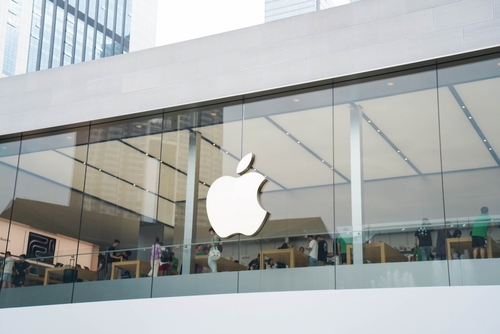
TradingKey - Continued growth in demand for high-bandwidth memory (HBM) and server DRAM from artificial intelligence data centers is reshaping the supply-demand dynamics of the global memory chip market. Apple (AAPL), which historically leveraged its massive procurement scale to drive down component prices, may now have to prioritize supply security over bargaining flexibility.
According to an exclusive report by South Korea's Maeil Business Newspaper citing semiconductor industry sources, Apple is in talks with Samsung Electronics regarding a four-to-five-year long-term DRAM supply agreement, which could take effect as early as the first half of 2027. The potential arrangement reportedly stipulates minimum purchase or supply volumes, but will not lock in prices over the entire contract period, with actual prices still subject to adjustment based on market conditions. Separate reports indicate that Apple has already reached a similar arrangement with SK Hynix.
As of now, Apple, Samsung, and SK Hynix have not officially confirmed the aforementioned agreements or their specific terms.
Why Apple Rarely Signed Long-Term DRAM Agreements in the Past?
Strictly speaking, Apple does not lack a stable supply channel for memory chips; the company has long procured DRAM from manufacturers such as Samsung, SK Hynix, and Micron, mitigating its reliance on any single firm through a multi-supplier system. What Apple truly lacks is not a source of supply, but a long-term contract requiring advance commitment to multi-year purchase volumes.
In the past, this strategy worked significantly to Apple's advantage. DRAM is a highly cyclical, standardized product, and prices can fall rapidly during periods of oversupply. Had Apple signed agreements with excessively long terms or elevated price floors, it might have continued paying above spot-market rates once the market softened.
Leveraging hundreds of millions of iPhone shipments each year along with the procurement scale generated by the Mac, iPad, and other devices, Apple has typically been able to adopt shorter contract cycles, allocate orders among suppliers, and push for price cuts in each round of negotiations. A diversified supply base also spurs competition, preventing any single memory maker from gaining excessive pricing power.
However, this procurement model hinges on a crucial premise: the market must have sufficient allocatable capacity. When DRAM supply is plentiful, Apple can wait for suppliers to bid competitively. Once most capacity has been reserved in advance by other customers through long-term contracts, the flexibility of short-term procurement can turn into a risk of supply disruption.
The expansion of AI infrastructure is disrupting this balance. While HBM and conventional DRAM are not identical products, they compete for wafer capacity, advanced process nodes, packaging equipment, and capital expenditures. Because AI server-related products typically offer higher profit margins, Samsung, SK Hynix, and Micron are incentivized to prioritize data center clients, thereby squeezing the mobile DRAM required for smartphones and personal computers.
Data from TrendForce shows that supplier inventories have reached historic lows, with new supply flowing primarily into server products. The firm also projects that the competition between HBM and conventional DRAM for limited capacity could persist through 2027.
Meanwhile, other major tech companies are locking in memory resources through long-term commitments. SK Hynix has reportedly signed long-term agreements with 14 global customers, with orders covering more than half of its capacity from 2027 to 2028. If Apple continues to rely on short-term negotiations, both the remaining capacity available for it to procure and its bargaining power could shrink further.
How Long-Term Agreements Will Impact Apple's Costs and Product Strategy?
If the reported contract structure ultimately materializes, Apple's primary guarantee will be volume rather than price. A four- to five-year term could help the company lock in part of its DRAM supply in advance, reducing the risk of cutting production or delaying launches for the iPhone, Mac, and other products due to chip shortages. However, market-based pricing means Apple will still have to bear the costs of rising memory prices.
This arrangement trades bargaining flexibility for supply certainty. Apple does not need to fully fix its procurement prices for years to come, avoiding being locked into high prices over the long term when DRAM market prices fall. However, because the agreement may stipulate minimum purchase volumes, the company will also find it difficult to cut orders at will or leverage supplier competition to continually push down quotes as it did in the past.
For Apple, there are three possible ways to absorb this cost pressure. The company could absorb it internally through supply chain efficiency, product mix, and price cuts on other components; it could scale back base storage configuration upgrades on certain models; or it could pass the costs on to retail prices. If DRAM prices remain elevated over the long term, the relatively higher profit margins of high-end iPhones and Macs could provide a buffer, but the pressure on price-sensitive products will be far more pronounced.
Apple could also avoid letting long-term agreements turn into a single dependency by continuing to maintain a multi-supplier structure with Samsung, SK Hynix, and Micron. Agreeing on baseline supply volumes separately with two or more manufacturers can secure capacity while preserving some flexibility for order adjustments, while keeping suppliers competing on technology, yields, and new orders.
However, long-term contracts cannot eliminate demand forecasting errors. If the consumer electronics market weakens and Apple's actual shipments fall short of plans, minimum purchase commitments could create an inventory and cash-flow burden. If demand significantly exceeds expectations, the baseline volume guaranteed by the contract may prove insufficient, and the company will still need to procure additional chips in a higher-priced market.
What Is the Impact of Apple’s Long-Term Agreement on Samsung and SK Hynix?
If Apple ultimately joins the long-term procurement camp, the impact could extend beyond a single company. As one of the world's consumer electronics enterprises with the strongest bargaining power, Apple's willingness to trade multi-year commitments for supply could be viewed by the market as a signal that the DRAM shortage is no longer merely a short-term fluctuation.
A large volume of long-term contracts would reduce the number of chips freely allocable in the spot market and under short-term agreements, making it easier for memory makers like Samsung and SK Hynix to sustain prices. Even if demand cools in the future, minimum purchase commitments or price protection mechanisms in contracts could also slow the pace of DRAM price declines, meaning "chip inflation" could persist longer than in previous cycles.
However, price increases also possess self-limiting mechanisms, as memory costs will ultimately be reflected in the production costs of smartphones and computers. If manufacturers choose to raise retail prices, consumers may lengthen their replacement cycles. If brands absorb the costs themselves, profit margins will be squeezed. In either scenario, consumer electronics demand could be dampened, which in turn would depress DRAM procurement volumes over the medium to long term.
This means Samsung and SK Hynix likewise need to strike a balance between short-term profits and long-term demand. While excessively high memory prices benefit near-term earnings, they could force smartphone and PC makers to downgrade specifications, trim orders, and even accelerate efforts to find alternative supplies and improve memory efficiency.
This content was translated using AI and reviewed for clarity. It is for informational purposes only.
Recommended Articles




Comments (0)
Click the $ button, enter the symbol, and select to link a stock, ETF, or other ticker.