


Trump Makes 517 Trades in August: Buys Meta and SpaceX Bonds, Sells AMD and Nvidia



AI Podcast


U.S. President Trump’s August financial disclosures reveal 517 securities transactions valued between $74.3 million and $273.3 million. Portfolio adjustments featured heavy buying in communication services and energy, led by a $5 million to $25 million purchase of Meta, alongside reductions in technology holdings including AMD and Nvidia. Additionally, Trump’s account acquired $1 million to $5 million in SpaceX bonds on August 18, just two days prior to his signing of a national commercial space transportation policy. These transactions reflect notable sector rotations and highlight potential timing overlap with federal policy actions.
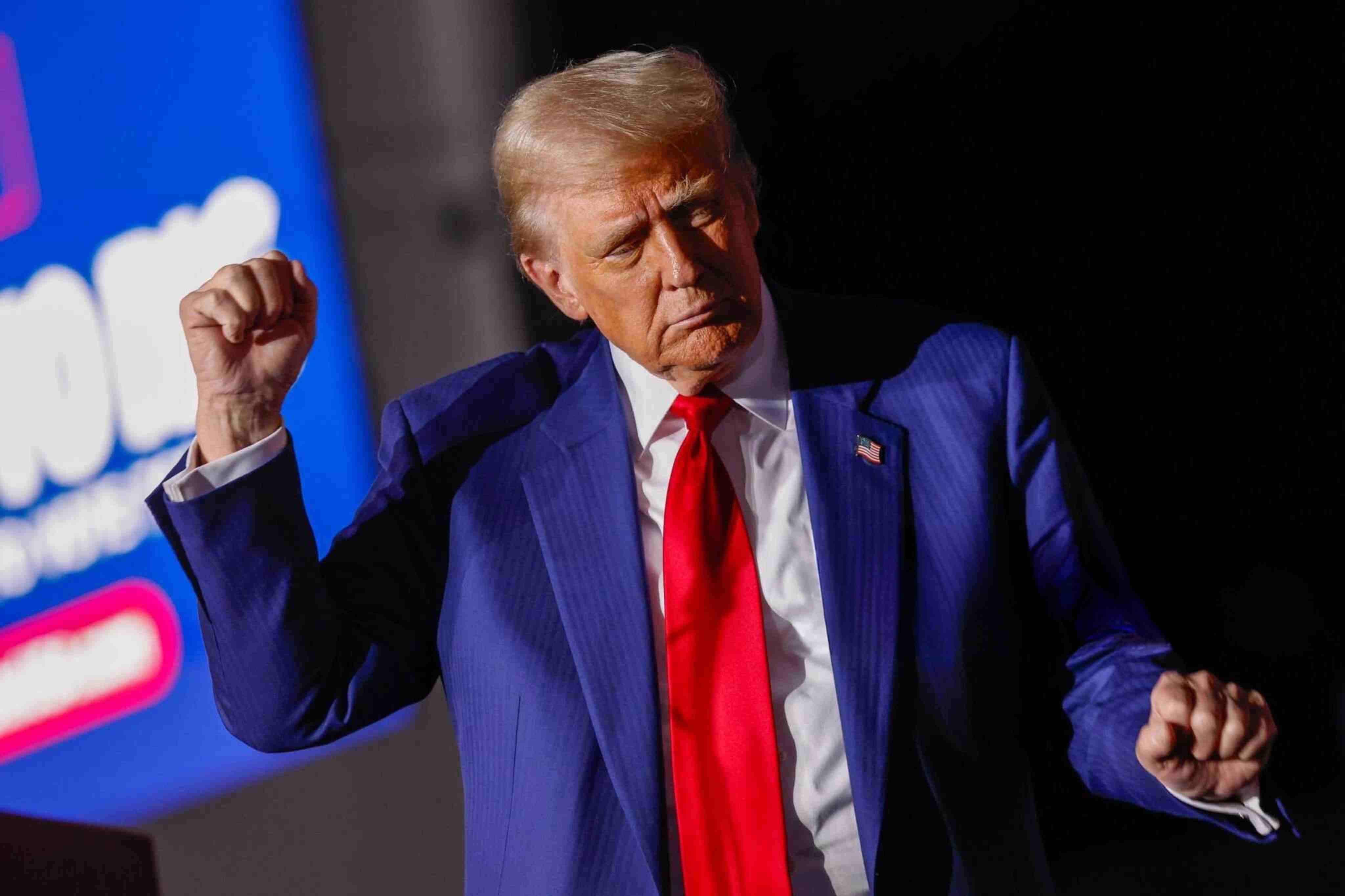
TradingKey - The latest financial disclosure filing released by U.S. President Trump shows that accounts under his name executed 517 securities transactions in August. The total value of these transactions ranged from approximately $74.3 million to $273.3 million, with the largest single trade being a Meta stock purchase valued between $5 million and $25 million.
The filings also disclose that Trump's account purchased $1 million to $5 million in SpaceX bonds on August 18. Two days later, Trump signed a policy aimed at expanding U.S. commercial space transportation, making the timing of this investment relative to the policy signing a key highlight of the disclosure.
According to an analysis of Trump's August financial disclosure filing, of the 517 transactions that month, total purchases were at least $44.2 million and total sales were at least $30.1 million.
It should be noted that financial disclosures record each transaction in value ranges. Therefore, the aforementioned totals are range estimates and should not be viewed as exact execution amounts, nor do they represent Trump's total assets or ending portfolio market value.
Concentrated Position Adjustments on Aug. 21: Buys Meta, Sells AMD, Nvidia and Other Stocks
On August 21, Donald Trump's account executed multiple large-value securities transactions. Looking at the transaction distribution for that day, purchases in Trump's account were concentrated in communication services, while sales were spread across the technology and consumer sectors.
Among them, Meta (META) had the highest single purchase amount, ranging from $5 million to $25 million; combined with AT&T (T) and Netflix (NFLX), the disclosed amount for communication services-related stocks was approximately $7 million to $35 million, accounting for the majority of the disclosed purchases that day. Next, energy stocks such as ConocoPhillips (COP) and Chevron (CVX) were also increased, reflecting an allocation to traditional energy companies.
Stock sales involved 9 companies, primarily reducing holdings in certain tech stocks, particularly involving chip, software, cybersecurity, and hardware companies. Five of these belong to the Information Technology sector, making it the sector with the largest number of companies sold. AMD (AMD) and Nvidia (NVDA) are semiconductor companies, Datadog (DDOG) and Palo Alto Networks (PANW) are involved in cloud software and cybersecurity respectively, while Dell Technologies (DELL) belongs to the computer hardware sector.
Specifically, Trump's account sold $1 million to $5 million worth of stock in AMD and Church & Dwight (CHD) respectively. In addition, shares of companies including Boeing (BA), Home Depot (HD), T-Mobile (TMUS), Datadog, Dell Technologies, Palo Alto Networks, and Nvidia were also sold, with the sale amount for each company ranging between $500,000 and $1 million.
Notably, on August 18, Trump's account purchased senior unsecured notes issued by SpaceX (SPCX), Elon Musk's rocket and satellite company, in an amount between $1 million and $5 million. This investment is a debt security investment, with a disclosed interest rate of 5.35% and a maturity date of July 2031.
However, on August 20, just two days after the bond transaction took place, Trump signed a national space transportation policy that proposed supporting over 1,000 launch and re-entry activities annually in the United States by 2030. The policy requires federal agencies to facilitate commercial enterprises' use of federal launch facilities, encourages private capital investment in space infrastructure, and promotes related public-private partnerships.
SpaceX is a major contractor for the U.S. Department of Defense and a launch service provider for NASA. Therefore, policies expanding the U.S. commercial launch market may bring business opportunities to it.
This content was translated using AI and reviewed for clarity. It is for informational purposes only.
Recommended Articles








Comments (0)
Click the $ button, enter the symbol, and select to link a stock, ETF, or other ticker.