


US Treasury Announces Buyback Expansion to $6 Billion, Yet 10-Year Yield Soars to Two-Year High



AI Podcast


On September 9, Eastern Time, the U.S. Department of the Treasury announced a $6 billion government bond buyback targeting 10- to 20-year maturities, tripling regular operations to enhance market liquidity. The amount aligned with JPMorgan's forecast but fell short of Morgan Stanley's expectations of up to $10 billion. Despite the intervention, market reaction was muted. Benchmark 10-year Treasury yields rose to 4.853%, and 30-year yields surged to 5.309%, reaching their highest levels since November 2023. Investors remain focused on U.S. fiscal conditions, long-term supply and demand dynamics, and the future path of interest rates rather than the liquidity operation alone.
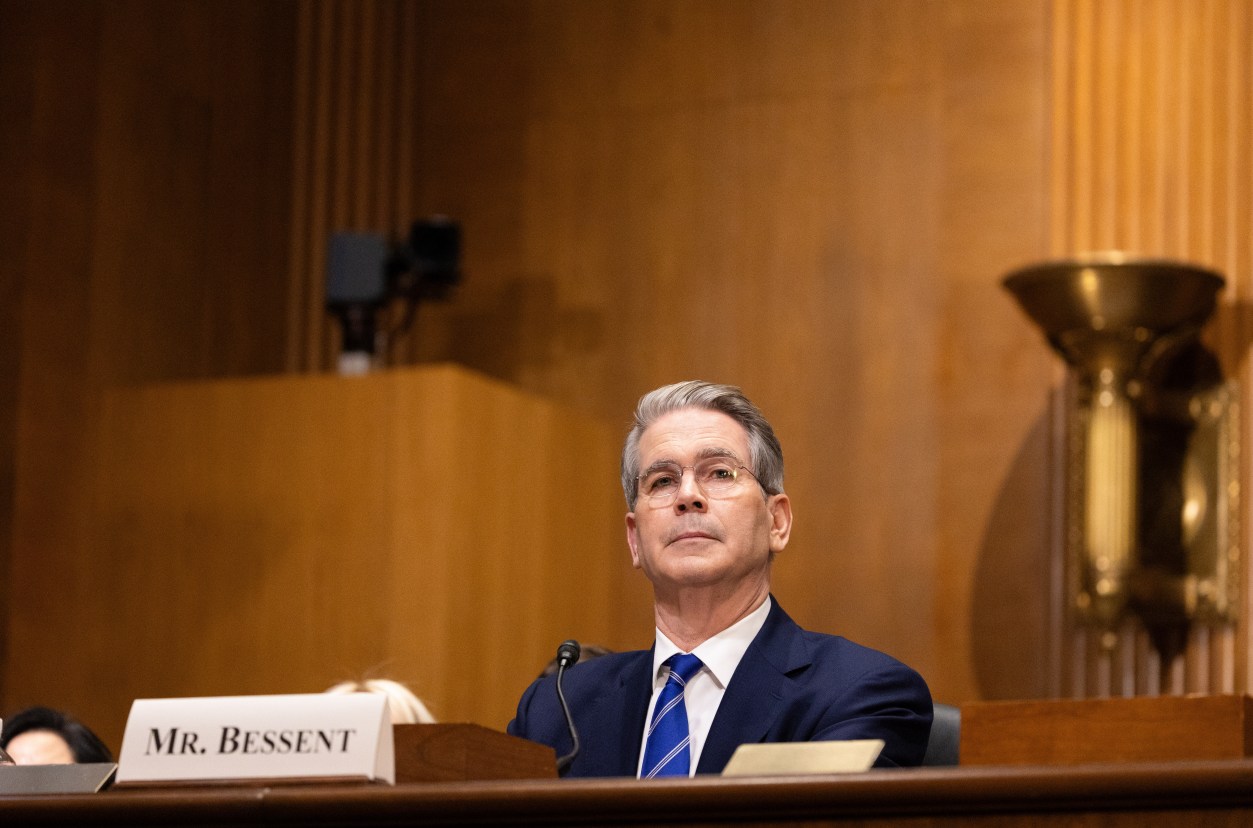
TradingKey - On September 9, Eastern Time, the U.S. Department of the Treasury announced on Wednesday that it will buy back up to $6 billion in government bonds during Thursday's operation, targeting Treasuries with maturities of 10 to 20 years. This buyback size is three times that of regular operations and marks the first concrete move since Treasury Secretary Scott Bessent announced the expansion of the buyback program.
The U.S. Treasury stated that the action is primarily aimed at maintaining Treasury market functioning and improving liquidity in bonds of relevant maturities. The buyback operation will take place on Thursday, lasting 20 minutes and concluding at 2:00 p.m. Eastern Time.
Bessent had previously stated that the Treasury would at least double the size of its buybacks of outstanding Treasuries. The announced $6 billion amount is significantly above the former regular levels and higher than the $4 billion minimum previously set by the Treasury.
Although buyback operations are typically viewed as measures to boost bond demand and improve market liquidity, the market reaction was muted. As of press time, the benchmark 10-year U.S. Treasury yield rose to 4.853%, reaching its highest level since November 2023. The 30-year U.S. Treasury yield likewise surged to a relatively high level of 5.309%.
The rise in yields indicates that the market did not simply interpret the buyback program as a policy tool to push down long-term borrowing costs. Investors remain focused on factors such as the U.S. fiscal condition, long-term Treasury supply and demand, and the future path of interest rates.
The surge in Treasury yields may have been driven by the buyback size falling short of Wall Street expectations. Prior to the Treasury's announcement of the specific amount, Wall Street institutions held widely divergent forecasts for this buyback.
Institution | Forecast Size |
Morgan Stanley | Up to about $10 billion |
JPMorgan | $6 billion to $8 billion |
Barclays | Slightly above $4 billion |
Actual Treasury Announcement | $6 billion |
Morgan Stanley strategists noted that, assuming no additional issuance of short-term Treasury bills and adherence to the Treasury's existing cash balance management policies, the remaining long-term Treasury buyback operations this quarter could reach up to $10 billion per session.
JPMorgan estimated that a buyback size of $6 billion to $8 billion per operation would be reasonable, whereas Barclays was more cautious, projecting the amount might only be slightly above $4 billion. The finalized $6 billion sits at the midpoint of these forecasts.
This content was translated using AI and reviewed for clarity. It is for informational purposes only.
Recommended Articles











Comments (0)
Click the $ button, enter the symbol, and select to link a stock, ETF, or other ticker.