


If SpaceX and Tesla Truly Merge, Should Investors Celebrate or Exit Early?



AI Podcast


Elon Musk has reportedly discussed merging SpaceX with Tesla. This potential "trillion-dollar merger" could consolidate Musk's vision for an AI and aerospace empire, leveraging existing cross-shareholdings, related-party transactions, and technology sharing. A merger might offer synergies, integrate energy networks, and reduce "Musk premium risk" for Tesla shareholders. However, significant risks exist, including SpaceX's capital-intensive, less monetizable nature potentially draining Tesla's cash flow, complex valuation and share swap ratios, and Musk's dominant voting interest in SpaceX, which could dilute Tesla equity. Investors should monitor developments closely, considering potential holdings reduction.
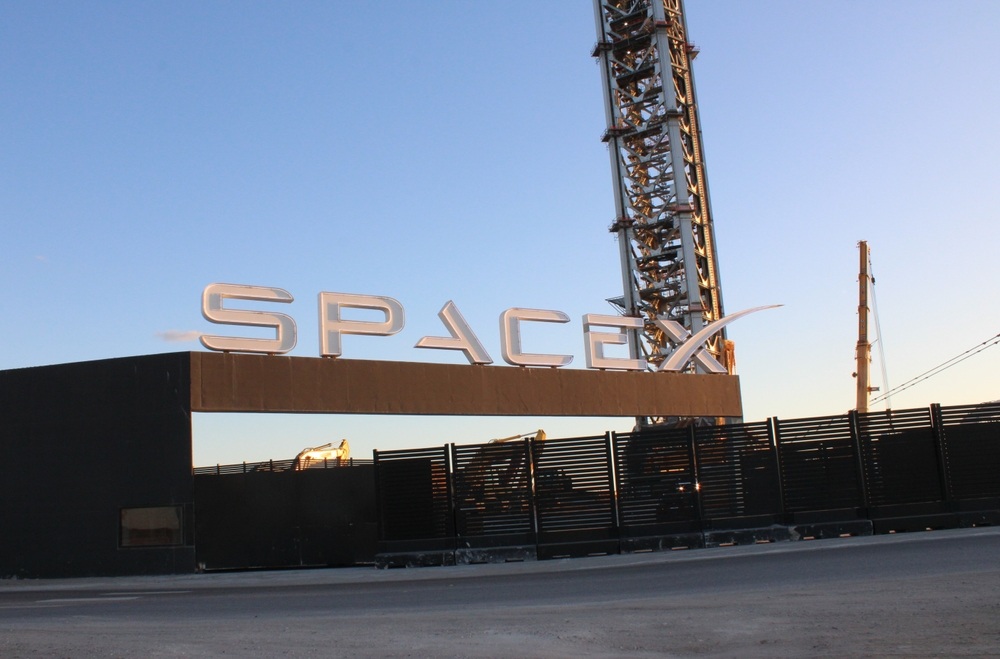
TradingKey - According to a CNBC report on Tuesday, Elon Musk has discussed merging SpaceX with Tesla ( TSLA ). The world was stunned by this sudden bombshell. However, in the face of this unprecedented 'trillion-dollar merger' in business history, should investors celebrate or make an early exit?
Will SpaceX and Tesla Actually Merge?
Given the close relationship between the two companies and Musk's personal vision, a merger between SpaceX and Tesla is entirely possible. Musk has long envisioned building a "trillion-dollar ultimate AI and aerospace empire." If the two companies merge, it would allow him to rapidly consolidate wealth and control, laying the foundation for realizing this dream.
More importantly, the two companies share numerous intersections and are even inextricably linked, primarily in three areas: (1) Cross-shareholding: Tesla previously invested $2 billion in xAI, and this investment has automatically converted into SpaceX shares following the merger of SpaceX and xAI; (2) Related-party transactions: Over the past year, SpaceX has purchased Megapack energy storage systems worth up to $697 million from Tesla, and additionally spent $131 million on Tesla electric vehicles; (3) Technology sharing: The two companies share a large number of top engineers, vice presidents of materials science, and Full Self-Driving (FSD) chips, and are currently co-developing a proprietary AI chip project named "Terafab."
Of course, the merger of the two companies is not a whim but has been in the works for a long time. According to CNBC, Musk has discussed this not only with confidants and executives, but Tesla employees have also revealed that the idea of a merger has been discussed internally for many years.
What are the implications of a merger between SpaceX and Tesla?
As previously mentioned, SpaceX and Tesla already share many intersections. A merger would create synergies across technology and hardware/software infrastructure, further breaking down traditional industry boundaries. For instance, Tesla's battery technology could support SpaceX's massive terrestrial and extra-terrestrial energy networks, while SpaceX's Starlink could provide the Tesla fleet with a proprietary network independent of ground-based base stations.
Another point that Tesla shareholders may prioritize is the elimination of the "Musk premium risk." In recent years, shareholders have been concerned by Musk being distracted by managing multiple companies or being forced to sell Tesla stock to fund other projects (such as the acquisition of X). Once merged, all of Musk's core assets would be unified, and investors would no longer face risks related to Musk extracting capital or pledging shares across different companies.
What merger risks should investors be aware of?
While a merger could offer many benefits, it is not without its risks and may have negative implications for retail investors, particularly Tesla shareholders. Tesla is currently a public company with stable and ample free cash flow; however, SpaceX is not, as its development is currently highly capital-intensive and difficult to monetize in the short term. Therefore, a merger could significantly drain Tesla's cash flow.
Furthermore, SpaceX's valuation differs from Tesla's market capitalization, which presents issues regarding pricing and share swap ratios. Moreover, Elon Musk holds an 85.1% absolute voting interest in SpaceX, making the situation extremely complex and potentially diluting Tesla equity. Consequently, it is essential to monitor developments closely. If the situation progresses unfavorably, it may be necessary to reduce holdings in Tesla stock.
This content was translated using AI and reviewed for clarity. It is for informational purposes only.
Recommended Articles



Comments (0)
Click the $ button, enter the symbol, and select to link a stock, ETF, or other ticker.