


Japan and South Korea Stocks Slump as KOSPI Triggers Circuit Breaker; Samsung Falls Over 7%, SK Hynix Over 9%



AI Podcast


Japanese and South Korean equities declined sharply on July 28, driven by a sell-off in semiconductor stocks and escalating Middle East tensions. South Korea’s KOSPI dropped 7.24%, triggering a "sidecar" mechanism, while the Nikkei 225 fell 3.75%. Heavyweights Samsung and SK Hynix faced severe pressure, mirroring losses in the US semiconductor sector, including Nvidia and ASML. Investors are rotating out of high-valuation technology assets amid weakening sentiment. Furthermore, geopolitical uncertainty regarding potential US military action against Iran adds significant risk, as market participants grapple with both technical volatility and shifting macro conditions.
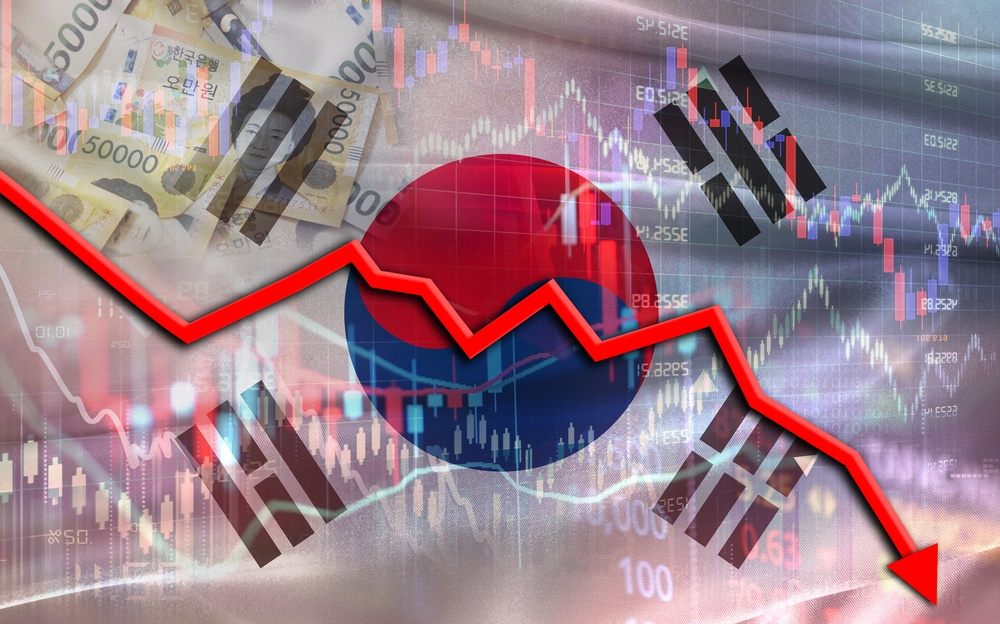
TradingKey - In early Asian trade on July 28, Japanese and South Korean stock markets suffered heavy losses again, with Samsung falling over 7% and SK Hynix dropping more than 9%.
Dragged down by the overnight plunge in US semiconductor stocks and added uncertainty in the Middle East, South Korean and Japanese equities both opened lower and continued to weaken.
South Korea's KOSPI index fell 7.24% to 6,266.78 points. As market selling pressure intensified, the Korea Exchange activated its "Sidecar" mechanism intraday, suspending program sell orders on the KOSDAQ market to curb extreme volatility.
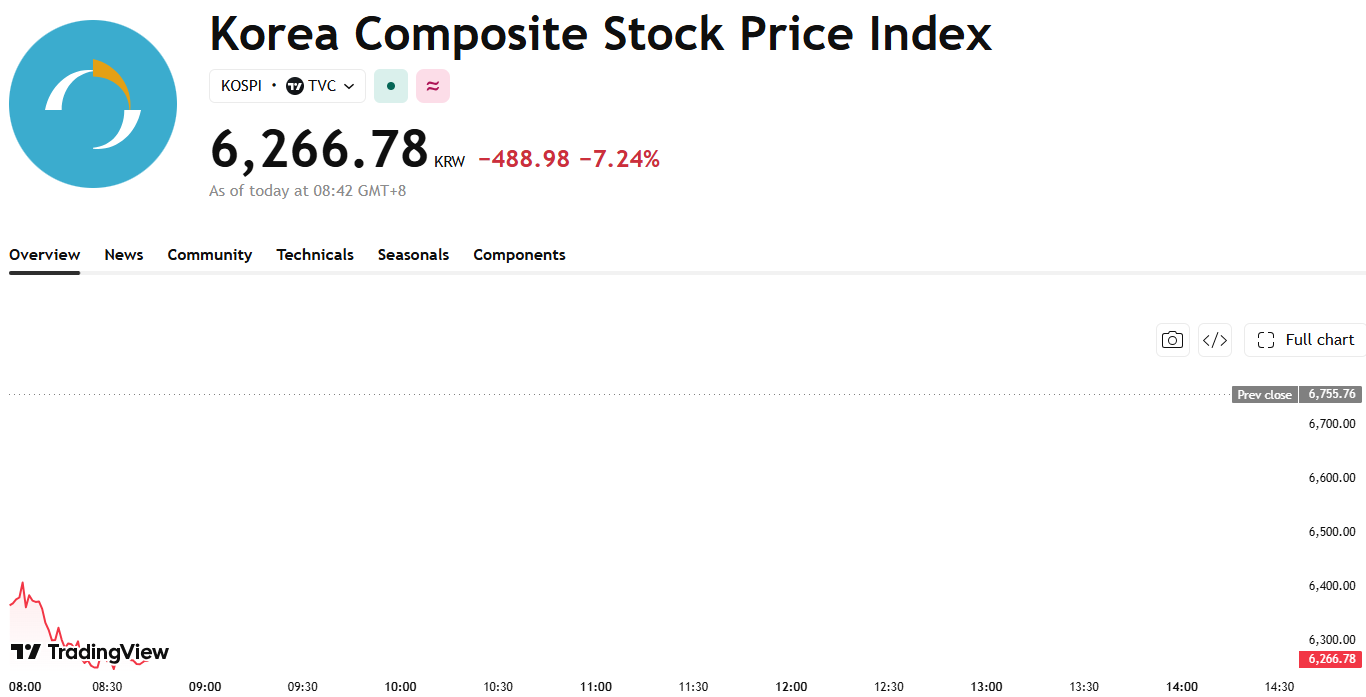
Source: TradingView
Japan's Nikkei 225 Index fell 3.75%, slipping below the key 63,000-point mark.
South Korea's semiconductor sector led the broader market decline, with SK Hynix dropping 9.31% to 1,647,000 won (approx. $1,190), and Samsung Electronics falling 7.09% to 236,000 won (approx. $170).
Japanese tech stocks were also under pressure, with SoftBank Group falling 4.03% to 5,116 yen (approx. $31.3).
Overnight, the US semiconductor sector was the primary drag, with the Philadelphia Semiconductor Index dropping over 5% intraday before closing down about 2%. Nvidia fell over 5%, and ASML similarly shed over 5%. Meanwhile, SK Hynix's share price slipped below its US IPO price, and Kioxia's ADRs have tumbled more than 57% from their late-June high.
Consequently, Asian chip stocks inherited the bearish sentiment from US markets, with capital continuing to rotate out of high-valuation tech sectors.
On the macro front, geopolitical risks continued to weigh on market sentiment. It was reported that US President Donald Trump stated on July 27 that the US still has patience to negotiate a ceasefire agreement with Iran, but if both sides cannot reach a new deal, the US will resume military action against Iran.
This content was translated using AI and reviewed for clarity. It is for informational purposes only.
Recommended Articles







Comments (0)
Click the $ button, enter the symbol, and select to link a stock, ETF, or other ticker.