


Kospi Index Plunges Over 4%: Triggers Temporary Trading Halt Mechanism, Halts Kospi Program Trading



AI Podcast


On July 20, the KOSPI index plummeted over 4%, triggering a five-minute "Sidecar" trading halt for both KOSPI and KOSDAQ. Although declines narrowed to 3.53%, heavyweights like Samsung Electronics and SK Hynix faced significant losses. Market sentiment remains fragile due to geopolitical instability, specifically rising oil prices following Middle East conflicts and potential supply chain disruptions. These external pressures, combined with South Korea’s recent interest rate hike, have fueled fears of imported inflation. Consequently, forced deleveraging and passive selling continue to weigh on investor confidence, keeping the market near recent lows amid broader economic uncertainty.
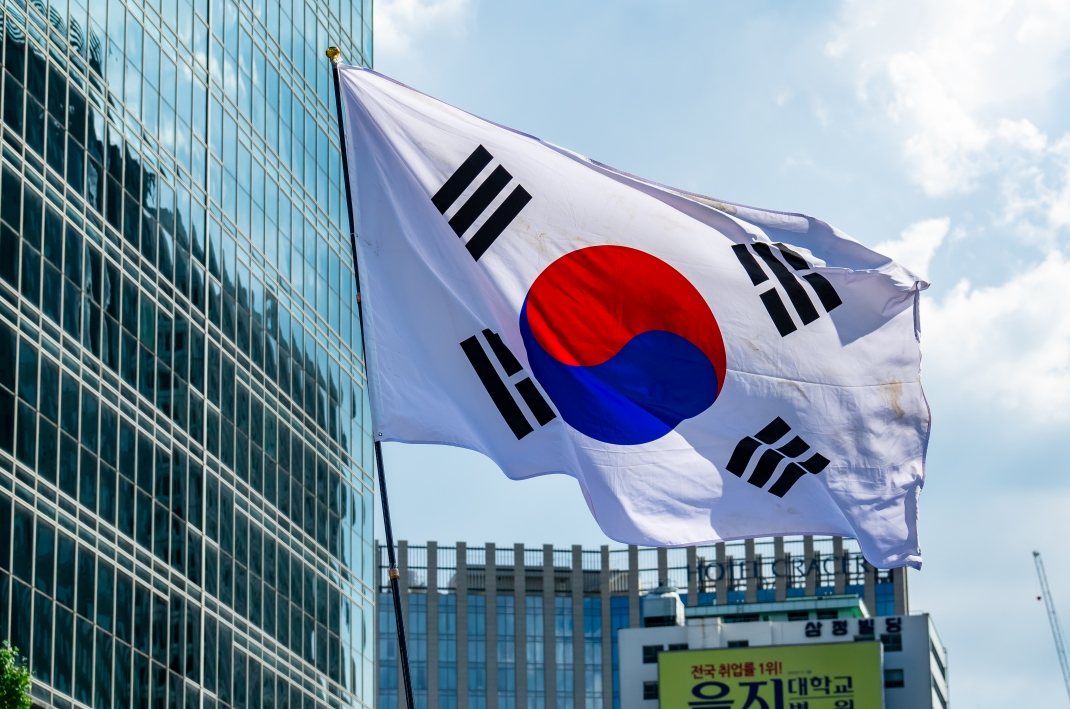
TradingKey - South Korean stocks plunge again as the KOSPI index tumbles over 4%, triggering a temporary trading halt mechanism.
On July 20, following the opening of Asia-Pacific markets, the South Korean stock market staged another dramatic sell-off. During early trading, losses in the KOSPI index and futures prices instantly widened to over 4%, triggering panic selling and heavily concentrated selling pressure. The Korea Exchange was forced to activate its program trading halt mechanism (Sidecar), suspending program sell orders for both the KOSPI and the junior board KOSDAQ for 5 minutes.
As of press time, the KOSPI index narrowed its decline to 3.53%, trading at 6,580.09 points, once again approaching last Tuesday's low. Heavyweight stocks staged an intraday reversal to trade higher but have since declined again, with Samsung Electronics falling 3.24% to 246,500 Korean won, and SK Hynix dropping 2.66% to 1,793,000 Korean won.
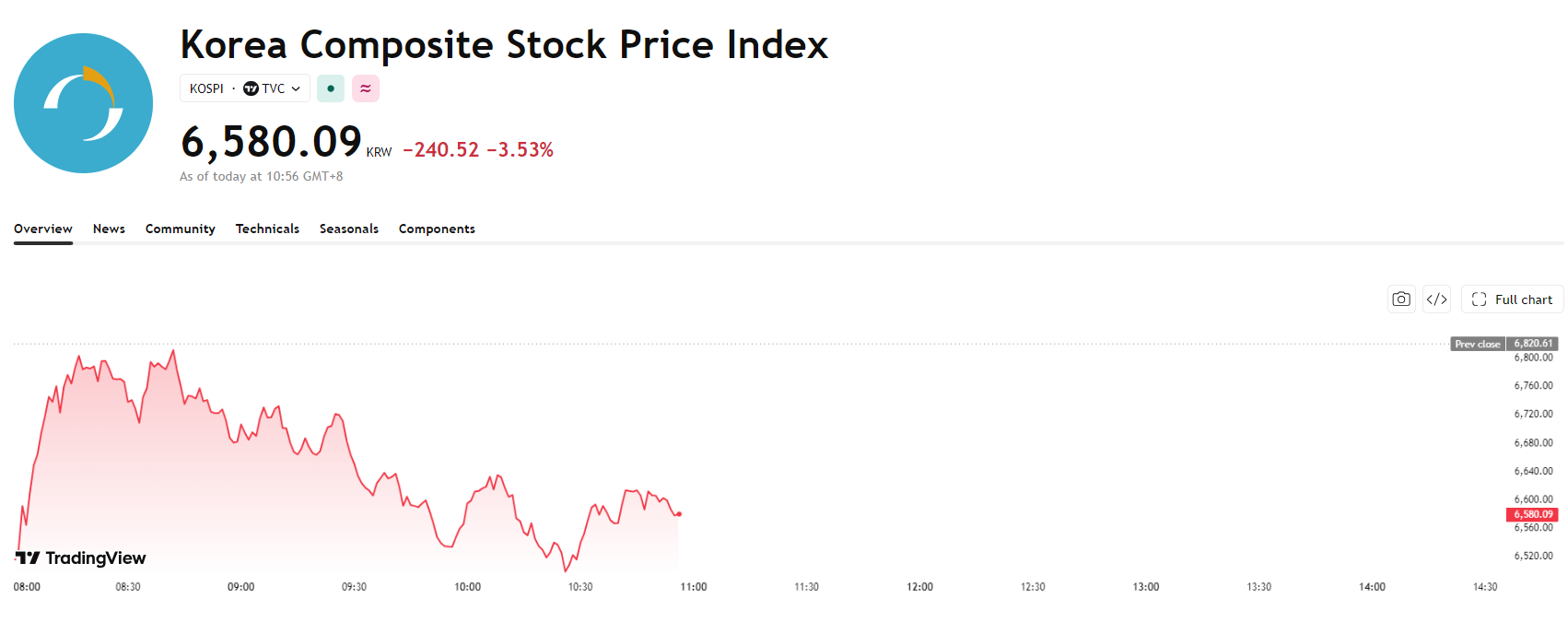 KOSPI index chart, Source: TradingView
In early trading today, international oil prices surged over 3%, with Brent crude once again breaking above $91 per barrel. This comes as geopolitical conflicts in the Middle East worsened over the weekend, with the shadow of consecutive overnight U.S. airstrikes on Iran and Iran's closure of the Strait of Hormuz still lingering. This undoubtedly compounds the woes for South Korea's economy, which just announced a rate hike. Fears of imported inflation have severely damaged bull confidence, while South Korea's deleveraging effect has triggered a chain reaction of 'passive selling', exacerbating the market plunge.
This content was translated using AI and reviewed for clarity. It is for informational purposes only.
Recommended Articles






Comments (0)
Click the $ button, enter the symbol, and select to link a stock, ETF, or other ticker.