


Warsh’s Hawkish FOMC Debut After Taking Office: Releasing the Shortest Meeting Statement, How to Judge Future Monetary Policy Direction?



AI Podcast


On Eastern Time June 17, the Federal Reserve maintained current interest rates under new Chair Kevin Warsh, who introduced a significantly more concise communication style. The latest dot plot reveals a hawkish bias, with half of the officials favoring at least one rate hike this year. Inflation remains the primary focus, as evidenced by upward revisions to PCE forecasts despite lowered GDP projections. Moving forward, the market must pivot from reliance on Fed forward guidance toward direct data analysis, specifically monitoring sticky core inflation, service sector trends, and productivity gains driven by AI to gauge future monetary policy.

TradingKey - On Wednesday (June 17) Eastern Time, the Federal Reserve passed a resolution to keep the federal funds rate unchanged, marking the FOMC's fourth pause since 2026.
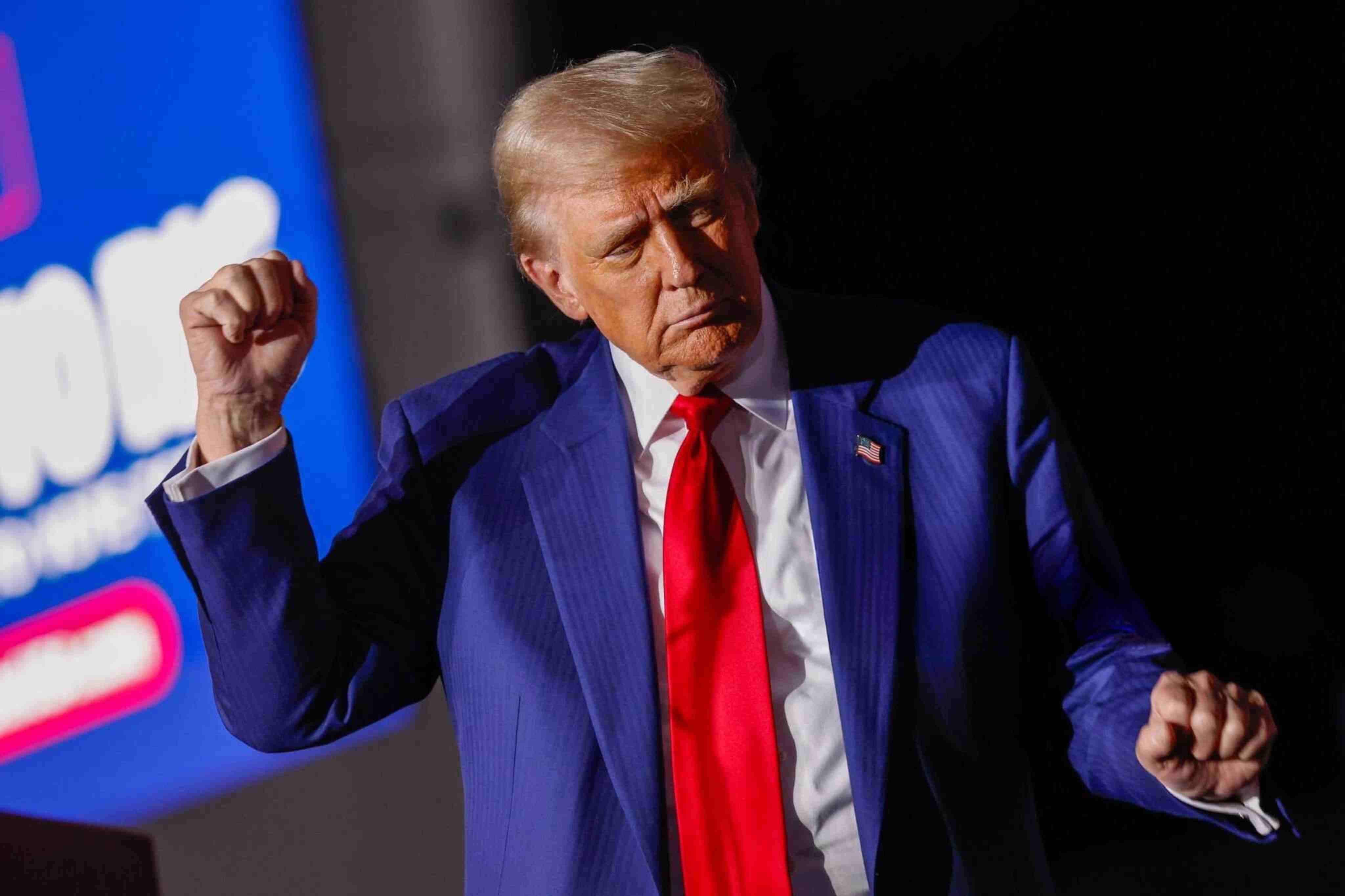
Notably, this was the debut FOMC meeting for the newly appointed Federal Reserve Chair Kevin Warsh. The meeting statement was extremely brief, consisting of just three paragraphs and about 114 words. George Pearkes of Bespoke Investment characterized it as the shortest FOMC statement since 2007, excluding the emergency rate-cut statements during the early days of the COVID-19 pandemic.
In response, Warsh stated that the shift toward a more concise statement was intentional. The statement not only omitted the specific voting breakdown but also removed almost all descriptive language to directly present the policy stance. It is foreseeable that during Warsh's tenure at the helm of the Federal Reserve, the framework for policy communication between the central bank and the market will be completely upended.
Regarding this, some market perspectives suggest that this move could limit the room for the market to obtain forward-looking information, potentially making it more difficult for investors to anticipate the subsequent direction of monetary policy.
Fed Prioritizes Inflation Over Employment, Exhibiting an Extremely Hawkish Stance
Regarding this statement, it is still not difficult for the market to see the Federal Reserve's overall hawkish shift. The most direct evidence is the dot plot released after the meeting: 9 out of 18 officials expect at least one rate hike this year, with 6 of them expecting at least two. Nick Timiraos, a journalist known as the 'Fed whisperer,' noted that this is a highly hawkish dot plot.
Furthermore, this statement only highlighted performance on inflation, continuing to reiterate the economic uncertainty brought by high inflation and the conflict in the Middle East. By downplaying recent employment conditions, it also indicated a hawkish bias.
This meeting also lowered GDP growth forecasts for this year and the year after next, as well as the unemployment rate forecast for this year. It not only continued to lift PCE and core PCE inflation forecasts for this year and next, but also raised the core PCE inflation forecast for the year after next. This year's PCE saw the largest upward revision, jumping 90 basis points to 3.6%, while the core PCE inflation forecast for this year was set at 3.3%. This projection shows that the Fed has characterized the current economic landscape as a period of high inflation and low unemployment, with particularly severe inflation risks, further bolstering rate hike expectations.
Farewell to Forward Guidance! How to Anticipate Fed Policy Direction in the Warsh Era?
This FOMC meeting has set the tone for the monetary policy trajectory over the coming period, with the probability of a rate hike rising significantly. As Warsh's appointment changes the style of Federal Reserve meeting statements, the market will need to focus heavily on analyzing data indicators when predicting the future policy path, abandoning its previous reliance on forward guidance.
On the data front, the most critical focus in the near term is CPI and PPI data representing inflation, especially the secondary transmission of inflation. Although the signing of the US-Iran agreement and the subsequent decline in oil prices will drive the normalization of inflation, services and core inflation remain sticky and difficult to alter in the short term, meaning the secondary transmission of inflation still warrants close attention.
Furthermore, as Warsh is inclined to believe that AI-driven productivity gains can raise the growth ceiling of the US economy without triggering inflation, the market needs to monitor productivity data. If there is a substantial increase, the Federal Reserve is likely to adopt a wait-and-see approach amid high interest rates, rather than raising rates.
This content was translated using AI and reviewed for clarity. It is for informational purposes only.
Recommended Articles







Comments (0)
Click the $ button, enter the symbol, and select to link a stock, ETF, or other ticker.