


Gold Prices Rebound Above $4,100 as Rising US Inflation Brings Rate-Hike Risks Back to Market



AI Podcast


Spot gold rebounded over 1% to $4,156.08 per ounce during Thursday's Asian session following an overnight sell-off, driven by technical buying. However, September's U.S. CPI data exceeded expectations, with headline inflation rising 3.7% year-on-year primarily due to a 5.2% jump in energy prices amid geopolitical supply disruptions. This inflation resurgence fueled Federal Reserve tightening expectations, increasing the opportunity cost of holding non-yielding gold. Gold's short-term trajectory remains constrained by shifting rate expectations and dollar strength, with market focus now shifting to upcoming Federal Reserve commentary regarding the persistence of energy-driven inflation.
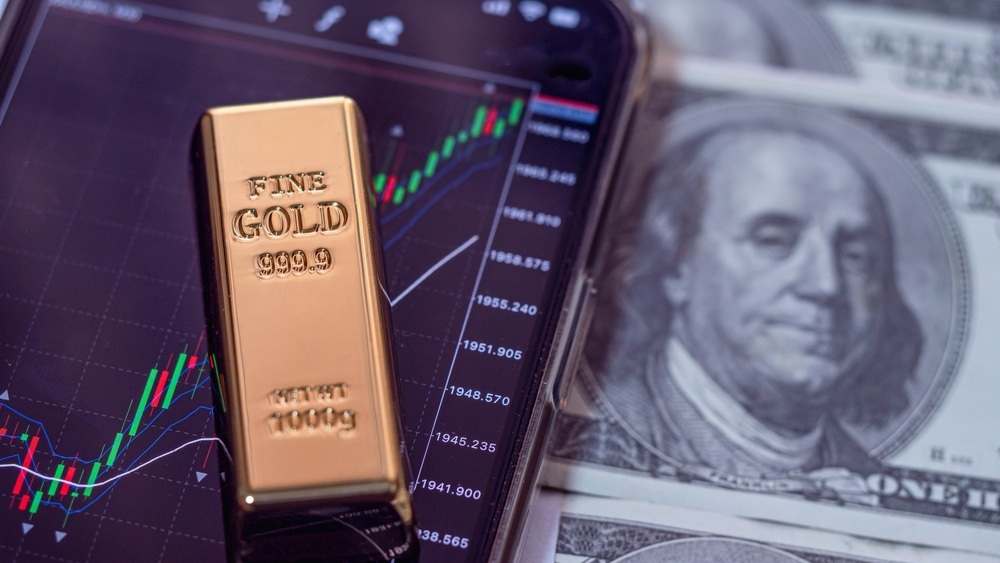
TradingKey - During Thursday's Asian trading session, gold (XAUUSD) prices rebounded significantly after an overnight sell-off, with spot gold rising over 1% to $4,156.08 per ounce. The advance resembles a technical rebound following a sharp drop, while the latest U.S. price data reinforced the likelihood of further Federal Reserve policy tightening, leaving gold's short-term trajectory under the dual impact of interest rates and the dollar's direction.
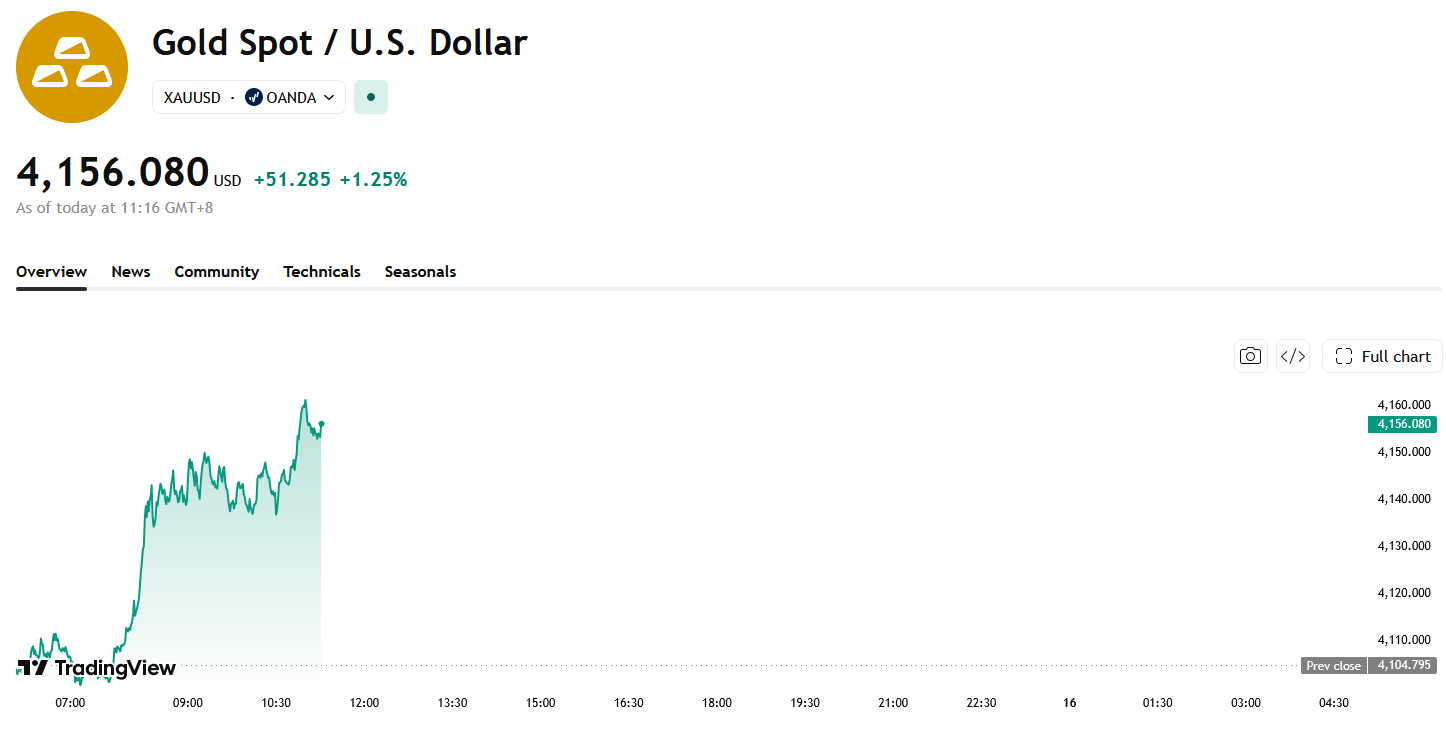
Source: TradingView
Data released by the U.S. Bureau of Labor Statistics showed that the Consumer Price Index (CPI) rose 0.6% month-on-month in September, marking the largest single-month increase since April this year; the year-on-year increase reached 3.7%, also exceeding market expectations. Core CPI, which excludes food and energy, rose 0.3% month-on-month and 2.6% year-on-year.
This round of inflation rebound was primarily driven by energy prices. The U.S. energy index rose 5.2% month-on-month in September, with gasoline prices surging 9.1%, contributing more than half of the overall monthly CPI increase. As the U.S.-Iran conflict disrupts energy supply and pushes up fuel costs, the market is beginning to worry that energy inflation will gradually transmit to transportation, food, and service prices, making it harder for the Federal Reserve to bring inflation back to its 2% target.
Following the data release, traders quickly raised expectations for an October rate hike, with the implied probability briefly climbing close to 50% before pulling back to around 30% to 40%. Repeated shifts in rate expectations also caused sharp volatility in the precious metals market, with gold and silver tumbling overnight. Because gold yields no interest, higher bond yields and real interest rates increase the opportunity cost of holding gold.
Chicago Fed President Austan Goolsbee stated that the latest inflation performance was disappointing and warned that massive investments in artificial intelligence infrastructure could further stimulate economic activity. In his view, it remains uncertain whether current interest rate levels are sufficient to dampen demand and push inflation steadily back to the Fed's target.
Markets will next focus on remarks by Federal Reserve Chair Kevin Warsh at the International Monetary Fund meeting in Bangkok. If Warsh emphasizes that rising energy prices could continue to broaden and leaves open the option of further rate hikes, the U.S. dollar and Treasury yields could move higher again, limiting gold's room for a rebound; if he views the energy shock as temporary, gold prices may gain a breathing spell.
This content was translated using AI and reviewed for clarity. It is for informational purposes only.
Recommended Articles










Comments (0)
Click the $ button, enter the symbol, and select to link a stock, ETF, or other ticker.