


Cuộc họp công bố kết quả kinh doanh Q3 2026 của Nomad Foods: Lạm phát năm 2027, Tiết kiệm chi phí và Chính sách giá Q4


Nomad Foods duy trì triển vọng năm 2026 bất chấp áp lực lạm phát quý 4, chủ yếu từ mặt hàng cá, và sự không chắc chắn về thời gian giao hàng sau đợt tăng giá không theo chu kỳ thứ hai.
Ban lãnh đạo tái khẳng định các giả định cho năm 2027 gồm lạm phát gộp khoảng 7%, tiết giảm chi phí khoảng 3% và lạm phát ròng khoảng 4%. Dự báo EBITDA năm 2027 giữ nguyên ở mức 0% đến 2%.
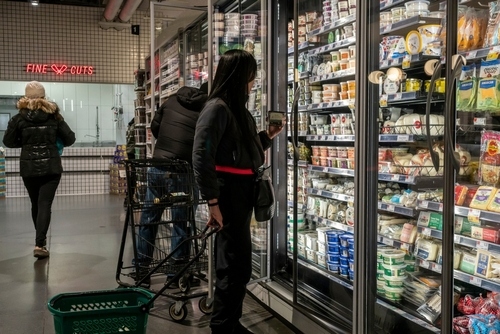
Các cuộc tấn công mạng vào hệ thống tủ đông siêu thị gây gián đoạn tạm thời nhưng được bù đắp bởi các đơn hàng bổ sung, mang lại tác động ròng không đáng kể.
Điểm tin chính
- Nomad Foods đã duy trì triển vọng năm 2026 bất chấp áp lực lạm phát bổ sung trong quý 4, chủ yếu liên quan đến mặt hàng cá, cùng với sự không chắc chắn xung quanh xu hướng giao hàng sau đợt tăng giá không theo chu kỳ lần thứ hai.
- Ban lãnh đạo nhắc lại các giả định cho năm 2027: lạm phát gộp khoảng 7%, tiết giảm chi phí khoảng 3% và lạm phát ròng khoảng 4% sẽ được xử lý thông qua các biện pháp định giá có chọn lọc và điều chỉnh sản lượng.
- Công ty đã xác nhận lại dự báo EBITDA từ 0% đến 2% cho năm 2027 và cho biết các kế hoạch cải thiện dòng tiền, giảm bớt các chi phí không thường xuyên và giảm tỷ lệ đòn bẩy vẫn không thay đổi.
- Chi phí không thường xuyên trong quý 3 ở mức dưới 4 triệu EUR. Ban lãnh đạo cũng cho biết chi phí gián tiếp cốt lõi đã giảm sau khi điều chỉnh theo hiệu ứng tiền thưởng so với cùng kỳ năm ngoái.
- Các cuộc tấn công mạng ảnh hưởng đến hệ thống tủ đông của siêu thị đã gây ra sự gián đoạn tạm thời, nhưng các đơn đặt hàng bổ sung hàng hóa đã bù đắp nhiều hơn tác động ban đầu. Ban lãnh đạo mô tả tác động ròng đối với Nomad Foods là khiêm tốn, hơi tích cực và không đáng kể.
- Các cuộc thảo luận với các nhà bán lẻ hàng giảm giá tại Châu Âu vẫn đang tiếp tục. Ban lãnh đạo cho biết họ khá tích cực về các cuộc đàm phán nhưng không cung cấp thông tin cập nhật thương mại mới nào.
Dữ liệu tài chính chính
| Chỉ số | Cập nhật từ ban lãnh đạo | Bối cảnh |
|---|---|---|
| Giả định lạm phát gộp năm 2027 | Khoảng 7% | Giả định không thay đổi so với Ngày hội Nhà phân tích |
| Mục tiêu tiết giảm chi phí năm 2027 | Khoảng 3% | Được hỗ trợ bởi việc cắt giảm chi phí gián tiếp và các biện pháp tác động vào cơ cấu chi phí khác |
| Lạm phát ròng năm 2027 | Khoảng 4% | Dự kiến sẽ được giải quyết thông qua các biện pháp định giá có chọn lọc và quy mô sản lượng |
| Dự báo EBITDA năm 2027 | 0% đến 2% | Được ban lãnh đạo tái xác nhận |
| Chi phí không thường xuyên quý 3 | Dưới 4 triệu EUR | Một phần trong trọng tâm của công ty về dòng tiền và chất lượng lợi nhuận |
| Triển vọng năm 2026 | Được duy trì | Bất chấp áp lực lạm phát và sự không chắc chắn về việc giao hàng trong quý 4 |
Kết quả kinh doanh và hoạt động
Nomad Foods đang giảm chi phí quảng cáo và khuyến mại gián tiếp trong khi duy trì điều mà ban lãnh đạo mô tả là mức chi tiêu quảng cáo và khuyến mại trực tiếp tiếp cận người tiêu dùng ở mức lành mạnh. Công ty cũng nhấn mạnh định giá cạnh tranh là một yếu tố quan trọng đối với hiệu quả tiếp thị.
Chi phí gián tiếp cốt lõi giảm sau khi loại trừ ảnh hưởng của tiền thưởng và thù lao thưởng so với cùng kỳ năm trước. Các hành động cắt giảm chi phí bao gồm giảm chi phí quản lý trung ương, thay đổi bộ máy tổ chức tại địa phương và thông báo đóng cửa một nhà máy quy mô nhỏ.
Đối với kênh bán hàng giảm giá, ban lãnh đạo cho biết các cuộc thảo luận với các nhà bán lẻ vẫn tiếp diễn. Công ty coi các nhà bán lẻ giảm giá ở Châu Âu là một phân khúc lớn và đang phát triển, nhưng không công bố thêm thỏa thuận phân phối mới nào trong cuộc họp.
Dự báo từ ban lãnh đạo
Ban lãnh đạo đã duy trì triển vọng hiện tại. Trong quý 4 năm 2026, EBITDA dự kiến sẽ chịu áp lực từ lạm phát bổ sung, chủ yếu ở mặt hàng cá.
Nguồn gốc chính gây ra sự biến động trong quý 4 là phản ứng của khách hàng đối với đợt tăng giá không theo chu kỳ lần thứ hai của Nomad Foods và tác động kéo theo đối với thời gian giao hàng và sản lượng. Ban lãnh đạo cũng cho biết bất kỳ mức tăng vượt kế hoạch nào cũng có thể được tái đầu tư vào thù lao thưởng, củng cố hoạt động kinh doanh và tăng trưởng bền vững trong dài hạn.
Cho năm 2027, công ty tiếp tục kỳ vọng lạm phát gộp khoảng 7% và tiết giảm chi phí khoảng 3%, dẫn đến lạm phát ròng khoảng 4%. Ban lãnh đạo dự định phản ứng một cách có chọn lọc, áp dụng việc tăng giá trong một số trường hợp và tìm kiếm cơ hội gia tăng sản lượng trong các trường hợp khác.
Rủi ro và các vấn đề cần theo dõi
- Lạm phát chi phí đầu vào: Lạm phát giá cá là áp lực gia tăng chính được ghi nhận trong quý 4.
- Thực thi định giá: Phản ứng của khách hàng đối với đợt tăng giá không theo chu kỳ lần thứ hai có thể tạo ra sự biến động trong xu hướng giao hàng.
- An ninh mạng bán lẻ: Các cuộc tấn công vào hệ thống tủ đông siêu thị đã làm gián đoạn nguồn cung thực phẩm đông lạnh tại Pháp, Bỉ và các thị trường Châu Âu khác. Nomad Foods cho biết cho đến nay các hoạt động và chuỗi cung ứng của chính công ty chưa gặp phải sự cố mạng nào.
- Tái đầu tư: Mức tăng tiềm năng vượt kỳ vọng có thể được tái định hướng cho thù lao thưởng và các sáng kiến tăng trưởng dài hạn thay vì chuyển hoàn toàn vào lợi nhuận ngắn hạn.
Nội dung nổi bật phần Hỏi & Đáp với nhà phân tích
Các nhà phân tích tập trung vào việc mở rộng kênh bán hàng giảm giá, sự gián đoạn bán lẻ liên quan đến an ninh mạng, dự báo quý 4, hiệu quả tiếp thị và triển vọng chi phí năm 2027.
Ban lãnh đạo cho biết các cuộc tấn công mạng vào hệ thống tủ đông ban đầu đã làm giảm nguồn cung bán lẻ và doanh số, nhưng các đơn đặt hàng bổ sung hàng hóa sau đó đã bù đắp nhiều hơn cho sự gián đoạn này. Tác động tài chính tổng thể là không đáng kể.
Về chi phí, ban lãnh đạo giải thích sự cải thiện chi phí gián tiếp cốt lõi là nhờ các sáng kiến tái cấu trúc và tiết kiệm chi phí. Công ty cũng nhắc lại rằng việc cắt giảm chi phí A&P tập trung vào các khoản chi gián tiếp thay vì các hoạt động tiếp thị tiếp cận trực tiếp người tiêu dùng.
Liên quan đến năm 2027, ban lãnh đạo cho biết các nền tảng cấu thành về lạm phát, tiết kiệm chi phí, EBITDA và dòng tiền được trình bày tại Ngày hội Nhà phân tích vẫn không thay đổi.
Toàn văn biên bản cuộc họp kết quả kinh doanh
Toàn văn cuộc gọi công bố kết quả kinh doanh
Phần trình bày của ban lãnh đạo
Operator
Ladies and gentlemen, greetings, and welcome to the Nomad Foods Third Quarter 2026 Earnings Q&A Session.
[Operator Instructions]
As a reminder, this conference is being recorded. I would now like to turn the call over to your host, Jason English, Head of Corporate Strategy and Investor Relations. Thank you. You may begin.
Jason English
Thank you, and hello, everyone. Welcome to Nomad Foods Third Quarter 2026 Earnings Question-and-Answer Session. We posted the associated press release, prepared remarks and investor presentation on Nomad Foods website at nomadfoods.com. I hope you've all had a chance to review them. I'm Jason English, Head of Investor Relations and Corporate Strategy, and I'm joined by Dominic Brisby, our CEO; and Ruben Baldew, our CFO.
During this call, we'll make forward-looking statements about performance that are based on our view of the company's prospects, expectations and intentions at this time. Actual results may differ due to risks and uncertainties, which are discussed in our press release, our filings with the SEC and in our investor presentation, which includes cautionary language. We'll also discuss non-IFRS financial measures during the call today. These non-IFRS financial measures should not be considered a replacement for and should be read together with IFRS results.
Users can find the IFRS to non-IFRS reconciliations within our earnings release and in the appendices at the end of the slide presentation available on our website. Please note that certain financial information within this presentation represents adjusted figures. All adjusted figures have been adjusted primarily for, when applicable, share-based payment expenses and related employer payroll taxes, exceptional items, foreign currency translation charges or gains and hedge ineffectiveness. Unless otherwise noted, comments from here will refer to those adjusted numbers.
With that, operator, let's open the line to questions.
Operator
[Operator Instructions]
The first question is from Jon Tanwanteng from CJS Securities.
Phần hỏi đáp
Jonathan Tanwanteng
Congrats on getting back to the organic growth in the quarter. My first question is, I think you mentioned in your recent Investor Day that you were making significant progress in getting products into the discounters with one win and more in the pipeline. I was wondering if you could update us on that progress and how you're seeing that thrust into these new market segments evolve.
Dominic Brisby
Yes. Thank you very much for the question, and thanks for the congratulations on the results as well. We're always very happy to deliver for our shareholders. So we did talk about getting into discounters. And as you know, discounters is a massive segment in Europe, and it's a heavily growing one. We're still in conversations with them. So there's not that much new to talk about at the moment. But we're reasonably positive in how those discussions go. And as we have new news to report, we'll let you know what's going on there.
Jonathan Tanwanteng
Okay. Fair enough. And then just we've seen several reports in the media of cyberattacks on grocery stores in Europe. I think there have been 2 major ones so far. Can you talk about the impact that might be having on your results, your discussions with your customers and if that would be a negative or a positive for you as they restock or if there's going to be a financial issue with your customers?
Dominic Brisby
Yes, definitely. So for those who may not be familiar with the situation, cyberattacks on freezer systems occurred on certain supermarkets in France on October 11 and October 12 and caused disruptions to frozen food availability there. This also happened again earlier this week to numerous smaller retailers, mostly franchises, some of whom have not followed recommended security guidelines. And this occurred in Belgium and it occurred in various other European markets as well.
I think the first thing to say is these incidents are very unfortunate and highlight the importance of resilience across the frozen food chain. Our immediate priority has been to support our customers and support our consumers by leveraging the flexibility of our manufacturing and our supply network to restore product availability. More broadly, we're focused on strengthening supply chain resilience throughout our supply chain. This includes maintaining robust cybersecurity across our own operations, ensuring we have appropriate safeguards, ring-fencing capabilities, response protocols in place and so on. And it's worth noting we haven't experienced any cyber incidents within our own operations or our own supply chain to date.
We're also working very closely with our retail partners and logistics providers and suppliers to support efforts to strengthen resilience across the broader frozen food ecosystem. In terms of absolute business impact on Nomad, the net effect has not been material. So temporary freezer outages have reduced category availability and retail sales in the immediate aftermath of these attacks. But that impact has been more than offset by subsequent replenishment orders as customers have had to restock inventories. So as a result, the overall impact on our business has been modest and slightly positive, but not material.
Operator
The next question is from Scott Marks from Jefferies.
Scott Marks
I wanted to just ask first about the holding the guidance and the implications for Q4 because I think it implies a pretty wide range of outcomes for the quarter. So wondering if you can just walk us through some of the puts and takes as we think about the quarter as well as how to think about magnitude of impact or reversal from the tough prior year compares that you called out in the prerecorded remarks.
Ruben Baldew
Yes. Thank you, Scott. Let me take that question. So we have a range and also the guidance, if you look at quarter 4, there's a negative EBITDA. Now the main driver impacting EBITDA is the additional inflation in quarter 4, which we already alluded to earlier, which is mainly driven by the additional inflation on fish. And despite that, we're actually pleased that we have been able to maintain our EBITDA guidance.
The main driver of the range in the fourth quarter is the customer response to our second off-cycle price increase and the associated variability in our shipment patterns. As you know, we have the inflation coming into quarter 4. As we speak, we are taking the pricing, but there's a variability on the impact, how that could play out on our shipments. In addition, as we consistently communicate, any upside relative to our plan will be thoughtfully reinvested to restore incentive compensation, strengthening the business and also supporting sustainable long-term growth. Now -- and to the range, all of those factors appear to already be reflected in current market expectation. And as a result, we don't see a need to alter our outlook at this point.
Scott Marks
Okay. Understood. And then maybe just moving down, if we think about the operating expenses in the quarter, you held them pretty flat versus last year. And you also noted A&P being down in the year as you pulled back on some of the nonworking media. I'm wondering if you can help us understand some of the puts and takes there because previously, I think you had mentioned feeling comfortable about level of marketing spend, but maybe just shifting where it was spent. So wondering if you could just walk us through maybe both puts and takes on SG&A in addition to the A&P.
Dominic Brisby
Yes. So I'll start on the A&P point. So you remember that historically, Nomad spent a very large chunk of its total A&P on what we call nonworking, so essentially things which consumers don't see. As a result of this, we've been able to make sure that the level of working A&P through the course of this year and indeed in this quarter has remained pretty healthy. But we're not afraid to cut A&P when it's not working, when it's not something that consumers see and it's not something that's been visible.
The other thing that's worth saying, of course, as well is that if pricing is wrong, you can spend as much A&P as you like, and it's not going to have much of an impact. And we put enormous effort during the course of this year to make sure that our prices are competitive in the market, and this is something that we're benefiting from in certain areas. In terms of the SG&A, Ruben, maybe you'd like to handle that.
Ruben Baldew
No, sure, Dominic. So if you look at our indirect, and we've spoken before on the bonus rebuild. So if you completely compare SG&A this quarter versus last quarter, there is a kind of year-on-year impact of bonus and bonus rebuild versus what was done last year. If you correct for that, actually, our indirects are down, and that is a result of the fact that we're driving indirect restructuring. We shared at the Analyst Day and also, I think, in previous quarterly calls that we've taken steps on our central overhead costs. We've taken steps on our local organization. We've spoken about marketing. So those are things we're driving down in terms of savings in the indirect. By the way, then it's beyond savings in indirect. As you might have seen, we've also announced a smaller factory closure. So we're also tackling the cost base, excluding indirects, whilst making sure we don't spend a high amount of nonrecurring. And hopefully, you've also seen our nonrecurring, which was down quite a bit. So we're driving all those things. And underlying, we see a reduction of indirect driven by savings.
Operator
The next question is from Angeline Goh from Deutsche Bank.
Voon Pang Goh
This is Angeline on for Steve. Just a quick question on your '27 outlook. Any updates on your inflation targets or savings targets since we last spoke? Oil has moved a little bit from where it was.
Ruben Baldew
Yes, I can answer that. What you see today, also what we reiterated in our prepared remarks, is that we are reiterating the guidance, which we also gave during our Analyst Day. Within that, the assumptions we've given to you during the Analyst Day are unchanged. So you see inflation of around 7%. We -- that's gross inflation. We're driving savings hard, as I just mentioned, and it's not -- it's the biggest amount, but it's, I think, an example of us being decisive and tackling the cost base of small factory closure. So we're estimating savings to be around 3%. With that, we're looking at a net inflation of 4%. We'll tackle that through pricing. But as I said before, it's not only one-dimensional price discussion. We will be quite surgical. In some cases, we'll go to price. In some cases, we go a bit more on volume if we see a volume opportunity.
So I think the overall construct of our plan hasn't changed also in terms of the EBITDA guidance, which we reconfirm to 0% to 2%, and also in terms of driving cash in terms of lower nonrecurring. You've seen our nonrecurring this quarter was less than EUR 4 million. There was a kind of underlying help, maybe underlying was more like EUR 6.5 million, EUR 7 million. So I think the building blocks we've set out to drive top line growth to drive EBITDA growth in a sustainable manner to drive cash flow growth also by lower nonrecurring and therefore, better quality of earnings and therefore, also deleveraging have not changed versus what we set out around a month ago.
Operator
[Operator Instructions]
There are no further questions at this time. I'd like to turn the floor back over to Dominic Brisby for closing comments.
Dominic Brisby
Thank you all very much for joining us today, and thank you for your interest in Nomad Foods.
Operator
This concludes today's teleconference. You may disconnect your lines at this time. Thank you for your participation.
Bài viết này có thể bao gồm nội dung do AI tạo ra hoặc dịch bởi AI và được biên tập lại bởi con người, bài viết chỉ nhằm mục đích tham khảo và cung cấp thông tin chung, không phải là khuyến nghị đầu tư.
Bài viết đề xuất








Bình luận (0)
Nhấn vào nút $ , nhập ký hiệu, và chọn để liên kết với một cổ phiếu, ETF, hoặc mã khác.