


Gilead Sciences Inc Stock (GILD) Moved Down by 3.26% on Sep 8: Drivers Behind the Movement



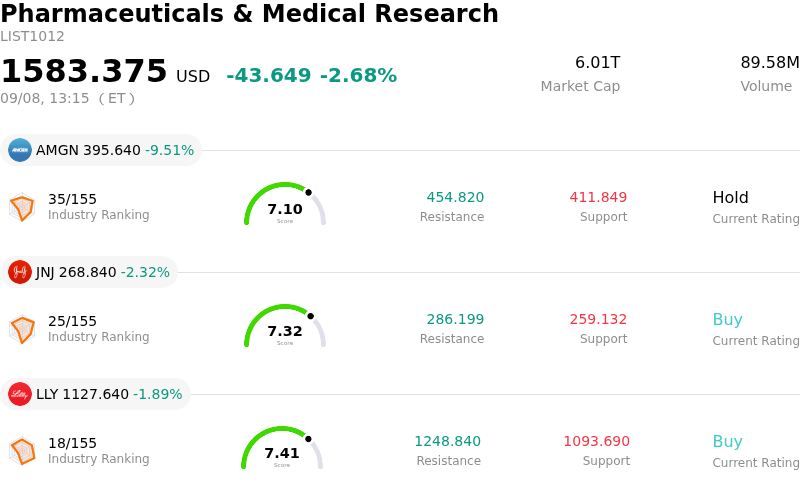
Gilead Sciences Inc (GILD) moved down by 3.26%. The Pharmaceuticals & Medical Research sector is down by 2.68%. The company underperformed the industry. Top 3 stocks by turnover in the sector: Amgen Inc (AMGN) down 9.53%; Johnson & Johnson (JNJ) down 2.32%; Eli Lilly and Co (LLY) down 1.89%.
What is driving Gilead Sciences Inc (GILD)’s stock price down today?
The pullback in Gilead Sciences during the first trading session following the Labor Day holiday was largely propelled by profit-taking and portfolio rebalancing across the healthcare sector. Coming off a sustained multi-month rally that drove shares toward multi-year highs, the stock experienced heightened intraday volatility as investors recalibrated positions ahead of key macroeconomic updates, including upcoming inflation reports.
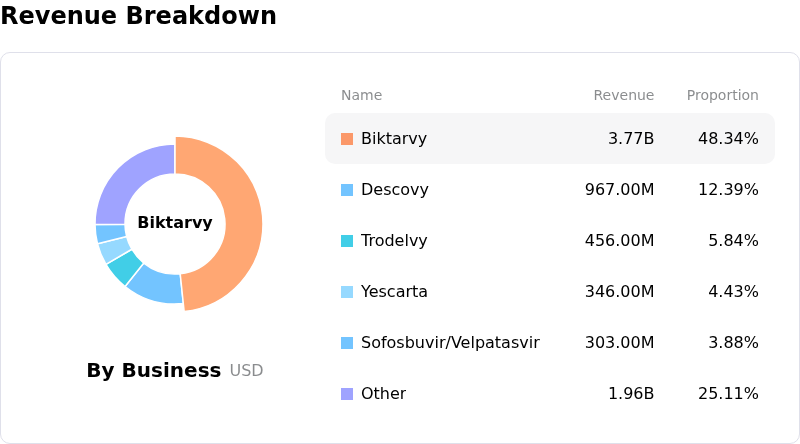
Fundamental performance remains solid following strong second-quarter top-line growth driven by the flagship HIV franchise, record performance in pre-exposure prophylaxis, and expanding adoption of Trodelvy. However, market sentiment faced short-term headwinds from valuation digestion and recent Wall Street price target adjustments that reflected near-term balance sheet headwinds linked to major pipeline acquisitions. Recent regulatory disclosures detailing routine insider share sales executed under pre-arranged trading plans near recent price peaks also contributed to temporary selling pressure.
Looking ahead, institutional focus turns to management's upcoming presentations at major healthcare investor conferences. Market participants will be closely monitoring comments regarding the commercial launch of recently approved therapies, including Bixlenvo, alongside updates on late-stage clinical developments and capital allocation plans. While short-term technical profit-taking weighed on the share price during the session, Gilead's broader investment thesis remains supported by durable core cash flows and favorable long-term patent visibility across its antiviral portfolio.
Technical Analysis of Gilead Sciences Inc (GILD)
Technically, Gilead Sciences Inc (GILD) shows a MACD (12,26,9) value of -0.255, indicating a neutral signal. The RSI at 55.679 suggests neutral condition and the Williams %R at 69.067 suggests sell condition. Please monitor closely.
Media Coverage of Gilead Sciences Inc (GILD)
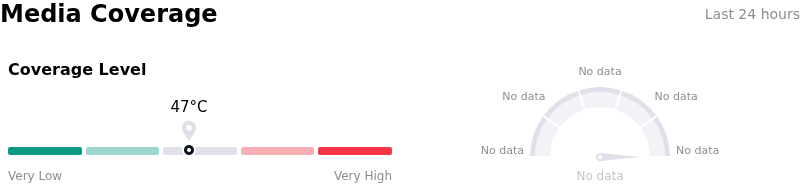
In terms of media coverage, Gilead Sciences Inc (GILD) shows a coverage score of 47, indicating a moderate level of media attention. The overall market sentiment index is currently in extremely bullish zone.
Fundamental Analysis of Gilead Sciences Inc (GILD)
Gilead Sciences Inc (GILD) is in the Pharmaceuticals & Medical Research industry. Its latest annual revenue is $29.44B, ranking 15 in the industry. The net profit is $8.51B, ranking 8 in the industry. Company Profile
Over the past month, multiple analysts have rated the company as Buy, with an average price target of $157.79, a high of $180.00, and a low of $123.00.
More details about Gilead Sciences Inc (GILD)
Company Specific Risks:
- GAAP Loss and Liquidity Depletion: Massive upfront acquired in-process research and development charges of $11.2 billion stemming from recent M&A transactions triggered a quarterly GAAP net loss of $10.5 billion, severely eroding cash reserves from $10.6 billion down to $3.2 billion while elevating corporate leverage.
- Cell Therapy Franchise Contraction: Heightened competitive pressures and slower-than-expected commercial penetration in oncology led to a 14% year-over-year revenue drop in the cell therapy segment, creating a notable operational drag outside the core HIV portfolio.
- Veklury Sales Guidance Downgrade: Management cut its full-year 2026 revenue forecast for COVID-19 antiviral Veklury by 50%—reducing projections from $600 million to $300 million—reflecting a structural decline in COVID-19 hospitalizations and diminishing treatment demand.
- Triple-Acquisition Integration Complexity: Simultaneously absorbing three distinct corporate acquisitions (Arcellx, Tubulis, and Ouro Medicines) across cell therapy, ADCs, and autoimmune biology introduces significant execution friction, elevating capital allocation burdens and clinical pipeline risks.
This article may include AI-generated content that is human-reviewed, which is for reference and general information purposes only and does not constitute investment advice.
Recommended Articles







Comments (0)
Click the $ button, enter the symbol, and select to link a stock, ETF, or other ticker.