


WTI (USOIL) Volatility Intensified on Aug 3: What to Watch



WTI (USOIL) is down 8.33% at Aug 3 00:00(ET), now at $78.772, with a 7-day down of 3.15%.
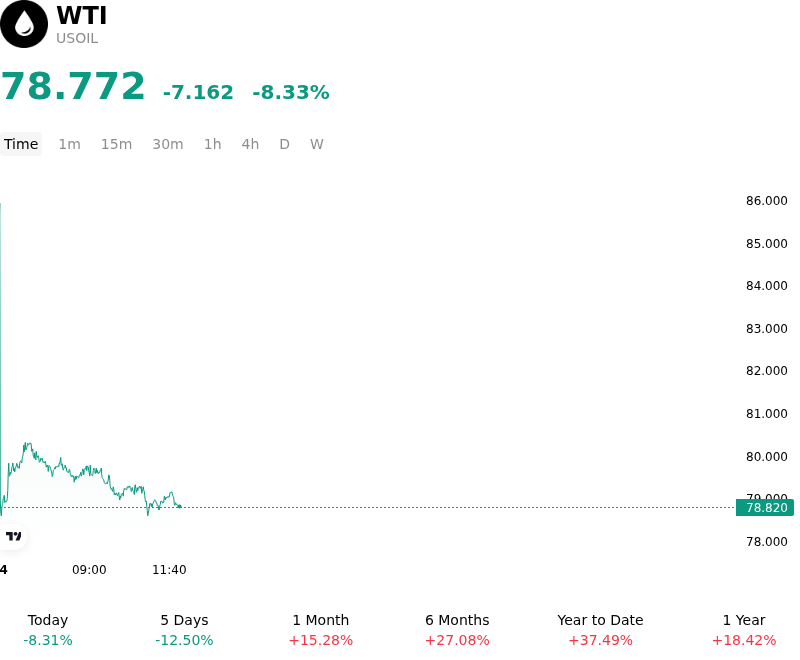
What is driving WTI (USOIL)’s stock price down today?
The sharp correction in WTI crude oil prices is primarily driven by a significant deterioration in global demand expectations following the release of weaker-than-anticipated manufacturing data from the world’s two largest economies. The latest Purchasing Managers Index reports from China and the United States have signaled a deepening contraction in industrial activity, stoking fears that the anticipated cyclical recovery in energy consumption is stalling. For institutional investors, this data suggests that the structural slowdown in Chinese infrastructure and manufacturing is outweighing seasonal summer demand, leading to a rapid repricing of the global market balance.
On the supply side, the move has been exacerbated by growing market speculation that OPEC+ may be forced to reconsider its current production restraint strategy. Reports suggesting a potential increase in output from non-OPEC producers, combined with internal pressure within the alliance to regain market share, have undermined the floor that had previously supported prices. The absence of a strong verbal intervention from key producers during this volatility has led traders to anticipate a shift toward a more surplus-prone environment heading into the fourth quarter.
Furthermore, a sudden easing of geopolitical tensions in the Middle East has removed a significant risk premium that had been embedded in the forward curve. As diplomatic efforts appear to have reduced the immediate threat to regional energy infrastructure, long positions held as a hedge against supply disruptions have been liquidated. This unwinding of the war premium, occurring simultaneously with the bearish macro data, created a vacuum of buyers, allowing technical selling to accelerate once key support levels were breached.
From a macroeconomic perspective, a shift in global risk sentiment has prompted a flight to quality, strengthening the US dollar and applying further downward pressure on dollar-denominated commodities. As institutional capital flows rotate out of risk assets and into sovereign bonds, the liquidity in the energy complex has tightened, magnifying price swings. The current market structure now reflects a transition from a supply-constrained narrative to one dominated by concerns over a hard landing for the global economy, leaving the inventory outlook increasingly bearish as storage levels begin to exceed five-year averages.
Technical Analysis of WTI (USOIL)
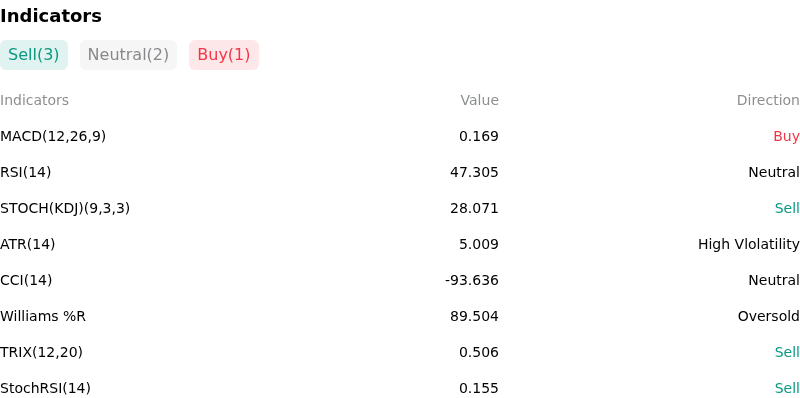
Technically, WTI (USOIL) shows a MACD (12,26,9) value of 0.169, indicating a buy signal. The RSI at 47.305 suggests neutral condition and the Williams %R at 89.504 suggests oversold condition. Please monitor closely.
More details about WTI (USOIL)
Recent Events and Risks:
- Unexpected US Inventory Accumulation: Recent data from the Energy Information Administration (EIA) indicating a surprise build in commercial crude oil and gasoline inventories has triggered concerns regarding domestic oversupply and weakening peak-season consumption.
- Slowing Chinese Industrial Demand: Disappointing manufacturing PMI figures and reports of reduced refinery run rates in China over the last 48 hours have heightened fears that the world’s largest oil importer is facing a structural slowdown in energy demand.
- OPEC+ Production Policy Pivot: Growing market anxiety regarding the potential for OPEC+ members to begin unwinding voluntary output cuts amid a softening demand environment is creating significant downside pressure as traders price in a possible supply surplus.
- Strengthening US Dollar Macro Pressure: A recent surge in the US Dollar Index, driven by hawkish central bank signals and risk-off sentiment in global equities, has increased the cost of dollar-denominated WTI futures for international buyers, incentivizing near-term liquidation.
This article may include AI-generated content that is human-reviewed, which is for reference and general information purposes only and does not constitute investment advice.
Recommended Articles









Comments (0)
Click the $ button, enter the symbol, and select to link a stock, ETF, or other ticker.