


ConocoPhillips Stock (COP) Moved Down by 3.21% on Jul 27: Drivers Behind the Movement



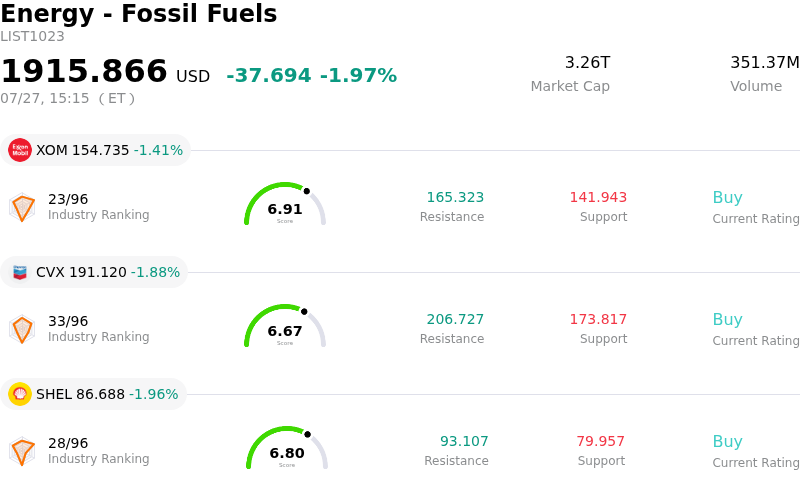
ConocoPhillips (COP) moved down by 3.21%. The Energy - Fossil Fuels sector is down by 1.97%. The company underperformed the industry. Top 3 stocks by turnover in the sector: Exxon Mobil Corp (XOM) down 1.41%; Chevron Corp (CVX) down 1.88%; Shell PLC (SHEL) down 1.96%.
What is driving ConocoPhillips (COP)’s stock price down today?
The downward pressure on ConocoPhillips appears primarily driven by a broader retreat in global crude oil benchmarks. As a pure-play exploration and production company, the firm’s valuation remains highly sensitive to fluctuations in Brent and West Texas Intermediate prices. Market sentiment has turned cautious following recent data indicating a faster-than-expected cooling of manufacturing activity in major economies, which has raised concerns regarding future energy demand. This macro-driven risk-off environment is weighing heavily on the energy sector, disproportionately affecting large-scale independent producers.
In addition to demand concerns, industry-specific supply dynamics are contributing to the current volatility. Reports suggesting a potential shift in OPEC+ production strategy or an unexpected build in domestic inventory levels have added to the selling pressure. Investors are closely monitoring the balance between global supply growth and the disciplined capital expenditure programs that have defined the U.S. shale industry recently. Any perceived threat to the stability of energy pricing directly impacts the projected free cash flow and dividend-paying capacity of companies like ConocoPhillips.
From an institutional perspective, the recent price action reflects a tactical rotation out of cyclical energy assets and into more defensive or growth-oriented sectors. Several analysts have recently moderated their near-term price targets for the sector, citing limited upside catalysts and the integration risks associated with large-scale acquisitions. While the company maintains a robust balance sheet and a competitive cost structure, the lack of immediate bullish drivers has allowed bearish sentiment to take hold, prompting some portfolio rebalancing among major asset managers.
Operating risks, particularly those related to regulatory shifts and the ongoing transition toward lower-carbon energy sources, continue to serve as a backdrop for investor hesitation. Although ConocoPhillips has demonstrated operational efficiency, the sensitivity of its earnings to marginal shifts in commodity prices remains a key vulnerability during periods of heightened market volatility. For long-term investors, the focus remains on the company’s ability to maintain its shareholder return framework amidst a softening pricing environment and evolving geopolitical landscape.
Technical Analysis of ConocoPhillips (COP)
Technically, ConocoPhillips (COP) shows a MACD (12,26,9) value of 3.121, indicating a buy signal. The RSI at 66.792 suggests neutral condition and the Williams %R at 11.865 suggests overbought condition. Please monitor closely.
Media Coverage of ConocoPhillips (COP)
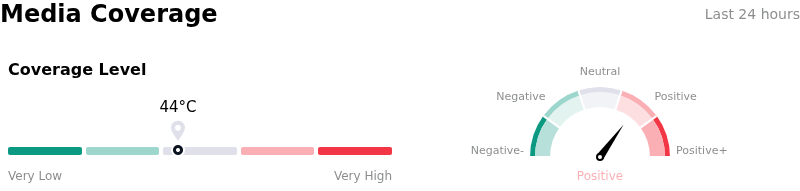
In terms of media coverage, ConocoPhillips (COP) shows a coverage score of 44, indicating a moderate level of media attention. The overall market sentiment index is currently in bullish zone.
Fundamental Analysis of ConocoPhillips (COP)
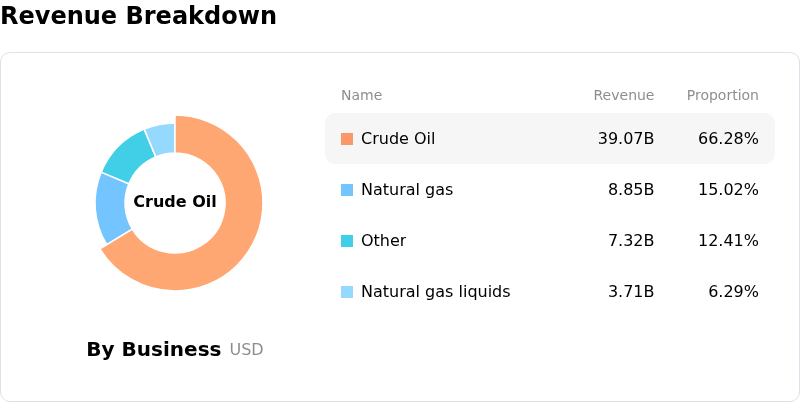
ConocoPhillips (COP) is in the Energy - Fossil Fuels industry. Its latest annual revenue is $58.94B, ranking 13 in the industry. The net profit is $7.96B, ranking 7 in the industry. Company Profile
Over the past month, multiple analysts have rated the company as Buy, with an average price target of $139.31, a high of $183.00, and a low of $80.00.
More details about ConocoPhillips (COP)
Company Specific Risks:
- Acquisition Dilution and Execution Risk: The recent announcement of a $22.5 billion all-stock acquisition of Marathon Oil has introduced significant share dilution concerns and the operational challenge of integrating diverse shale assets to achieve the projected $500 million in cost synergies.
- Antitrust Regulatory Pressure: Following increased Federal Trade Commission (FTC) scrutiny of large-scale energy mergers, there is a heightened risk of a prolonged investigation or forced divestitures that could delay the closing of the Marathon Oil transaction and increase legal expenditures.
- Cash Flow Sensitivity to Crude Volatility: As a pure-play exploration and production company, ConocoPhillips is disproportionately exposed to the recent decline in WTI and Brent prices, which threatens the sustainability of its planned $20 billion share repurchase program and its capital expenditure guidance.
- Escalating Service Cost Inflation: Recent analyst reports highlight persistent inflationary pressures on oilfield services and labor in the Permian Basin, which may offset production gains and compress margins despite the company’s increased scale following its recent consolidation efforts.
This article may include AI-generated content that is human-reviewed, which is for reference and general information purposes only and does not constitute investment advice.
Recommended Articles









Comments (0)
Click the $ button, enter the symbol, and select to link a stock, ETF, or other ticker.