


Brent Futures (UKOIL-F) Drops on Jul 27: Key Factors to Watch



Brent Futures (UKOIL-F) is down 5.13% at Jul 27 00:15(ET), now at $87.84, with a 7-day down of 1.17%.
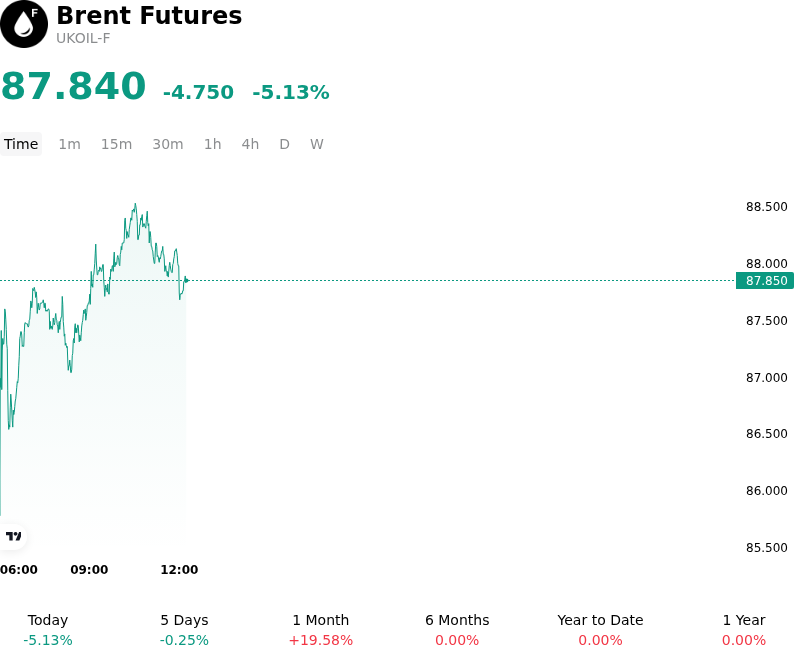
What is driving Brent Futures (UKOIL-F)’s stock price down today?
The sharp decline in Brent crude prices is primarily driven by a significant deterioration in the global demand outlook, particularly centered on disappointing industrial activity data from major importing economies. Recent manufacturing prints have signaled a contraction in refinery throughput requirements, leading market participants to re-evaluate the deficit projections previously anticipated for the second half of the year. This demand-side pessimism has been compounded by a lack of conviction regarding the sustained efficacy of voluntary production cuts, as robust non-OPEC supply growth continues to offset institutional efforts to tighten the physical market.
Inventory data from key storage hubs has further weighed on sentiment, showing an unexpected accumulation of middle distillates and crude stocks. This suggests that the seasonal demand peak typically associated with the northern hemisphere summer may be underperforming historical norms. The shift in the physical market balance has forced a repricing of the forward curve, as the premium for prompt delivery erodes in the face of ample immediate availability. Furthermore, market speculation regarding the potential timeline for the unwinding of output curbs by the OPEC+ alliance has introduced a layer of supply-side uncertainty, prompting speculative participants to reduce long exposure in favor of a more neutral stance.
From a macroeconomic perspective, the strengthening of the US dollar has created a significant headwind for dollar-denominated commodities. Hawkish rhetoric from central bank officials, suggesting a more prolonged period of restrictive interest rates to combat persistent inflationary pressures, has raised concerns over future energy consumption and increased the cost of carry for holding physical inventories. This macro-driven pressure coincided with a breach of key technical support levels, triggering systematic sell programs and stop-loss liquidations from trend-following institutional investors, which accelerated the downward momentum.
The combination of fundamental oversupply concerns and a shifting macroeconomic narrative has fundamentally altered the risk-reward profile for crude oil. While geopolitical tensions in key producing regions remain a latent risk factor, the market is currently prioritizing the softening of physical differentials and the prospect of a more balanced, if not oversupplied, global market heading into the coming quarters. Investors remain focused on upcoming producer-group communications and high-frequency demand indicators to determine if this move reflects a temporary cyclical adjustment or a more structural shift in the energy complex.
Technical Analysis of Brent Futures (UKOIL-F)
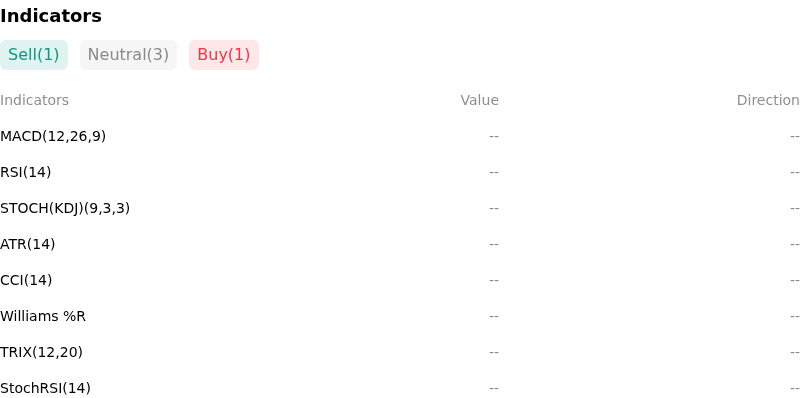
Technically, Brent Futures (UKOIL-F) shows a MACD (12,26,9) value of 0.000, indicating a neutral signal. The RSI at 53.221 suggests neutral condition and the Williams %R at 38.126 suggests buy condition. Please monitor closely.
More details about Brent Futures (UKOIL-F)
Recent Events and Risks:
- Geopolitical De-escalation and Premium Erosion: Reports of progress in ceasefire negotiations between Israel and Hezbollah have significantly diminished the geopolitical risk premium previously embedded in Brent prices, leading to sharp intraday liquidations as traders unwind long "war risk" positions.
- Persistent Chinese Demand Weakness: Ongoing concerns regarding sluggish industrial activity and low refinery run rates in China continue to weigh on the market, as recent economic data fails to show a meaningful recovery in fuel consumption from the world’s largest crude importer.
- OPEC+ Supply Overhang: Market uncertainty regarding whether OPEC+ will proceed with scheduled production increases in early 2025 creates a bearish backdrop, with participants fearing that any move to restore barrels will exacerbate a projected global supply surplus.
- US Dollar Strength and Macro Headwinds: The continued appreciation of the US Dollar, driven by shifting Federal Reserve expectations and "Trump Trade" momentum, has increased the cost of Brent for non-dollar holders, exerting sustained downward pressure on commodity-linked instruments.
This article may include AI-generated content that is human-reviewed, which is for reference and general information purposes only and does not constitute investment advice.
Recommended Articles









Comments (0)
Click the $ button, enter the symbol, and select to link a stock, ETF, or other ticker.