


DoorDash Inc Stock (DASH) Moved Down by 5.27% on Jul 22: What Signal Does It Send?



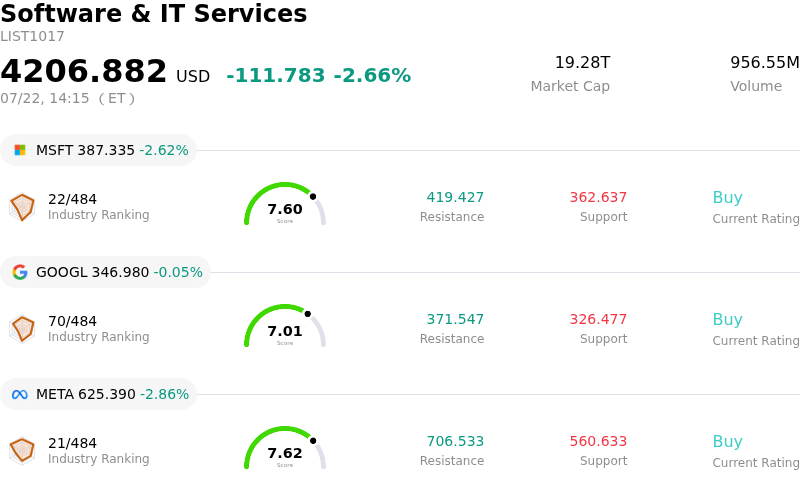
DoorDash Inc (DASH) moved down by 5.27%. The Software & IT Services sector is down by 2.66%. The company underperformed the industry. Top 3 stocks by turnover in the sector: Microsoft Corp (MSFT) down 2.62%; Alphabet Inc Class A (GOOGL) down 0.05%; Meta Platforms Inc (META) down 2.86%.
What is driving DoorDash Inc (DASH)’s stock price down today?
DoorDash is currently facing significant downward pressure following a combination of cautious forward-looking guidance and renewed regulatory scrutiny. The primary driver for the recent price action stems from management's updated projections for gross order value growth, which suggests a cooling in consumer discretionary spending. As inflationary pressures persist in the service sector, investors are increasingly concerned that the high frequency of delivery usage seen in previous quarters may be reaching a plateau, particularly as households tighten their budgets.
Furthermore, the regulatory landscape for gig economy platforms has re-emerged as a major headwind. Recent legislative discussions concerning worker classification and minimum compensation floors in key metropolitan markets have introduced fresh uncertainty regarding the company's long-term margin profile. Market participants are reacting to the possibility that higher labor costs will either need to be absorbed by the company, impacting profitability, or passed on to consumers, which could further dampen demand in an already sensitive economic environment.
Sector-wide dynamics are also contributing to the volatility. Competitors in the food and grocery delivery space have ramped up aggressive promotional activity, leading to concerns about a sustained price war that could erode market share gains. While DoorDash has maintained a leading position in the domestic market, the rising costs of customer acquisition and retention are weighing on investor sentiment. This has prompted several institutional desks to recalibrate their risk exposure, leading to a noticeable outflow from high-growth tech platforms toward more defensive equity positions.
Finally, broader macroeconomic data has played a role in the day's movement. Recent reports indicating persistent service-sector inflation have fueled speculation that the Federal Reserve may maintain a restrictive monetary policy for longer than previously anticipated. For a company like DoorDash, which is valued heavily on future cash flows, an environment of sustained high interest rates often leads to a compression in valuation multiples. The convergence of these fundamental and macro factors has created a challenging backdrop, resulting in the current period of intraday instability.
Technical Analysis of DoorDash Inc (DASH)
Technically, DoorDash Inc (DASH) shows a MACD (12,26,9) value of -2.157, indicating a neutral signal. The RSI at 56.977 suggests neutral condition and the Williams %R at 63.386 suggests sell condition. Please monitor closely.
Media Coverage of DoorDash Inc (DASH)
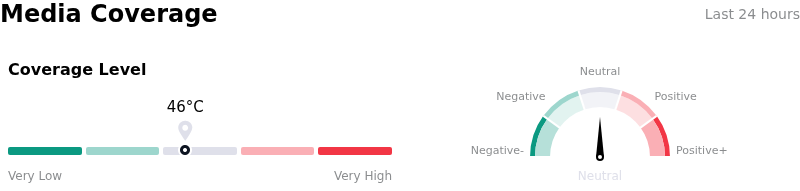
In terms of media coverage, DoorDash Inc (DASH) shows a coverage score of 46, indicating a moderate level of media attention. The overall market sentiment index is currently in neutral zone.
Fundamental Analysis of DoorDash Inc (DASH)
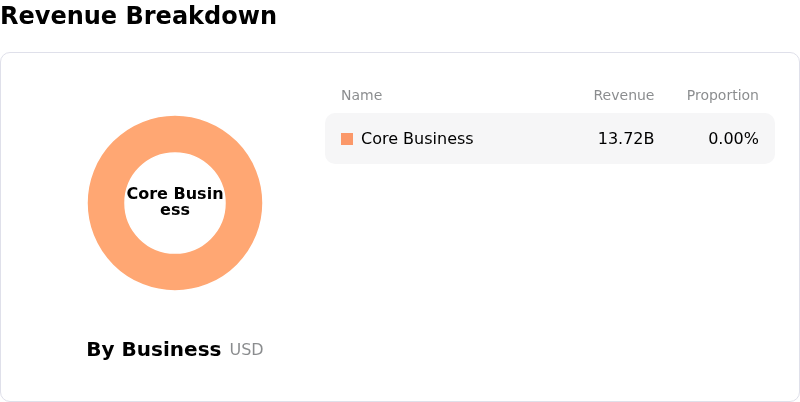
DoorDash Inc (DASH) is in the Software & IT Services industry. Its latest annual revenue is $13.72B, ranking 27 in the industry. The net profit is $935.00M, ranking 48 in the industry. Company Profile
Over the past month, multiple analysts have rated the company as Buy, with an average price target of $247.78, a high of $350.00, and a low of $196.00.
More details about DoorDash Inc (DASH)
Company Specific Risks:
- Regulatory and Labor Cost Headwinds: Ongoing litigation and the implementation of minimum wage mandates for gig workers in major metropolitan hubs, specifically New York City and Seattle, have forced the implementation of "regulatory response fees" that analysts indicate are directly suppressing order frequency and total order volume.
- Margin Compression from New Verticals: Significant capital reinvestment into low-margin "New Verticals" such as grocery and retail delivery, combined with the integration costs of international expansion, continues to dilute overall EBITDA margins and creates a disconnect between top-line revenue growth and bottom-line profitability.
- Competitive Market Share Erosion: Intensifying pressure from Uber Eats through aggressive cross-platform bundling (Uber One) and the entry of retail-native competitors like Walmart+ is forcing higher-than-expected sales and marketing expenditures to maintain customer retention, threatening long-term unit economics.
- Discretionary Spending Sensitivity: Institutional concerns are mounting regarding a slowdown in consumer discretionary spending; intraday volatility is being exacerbated by data suggesting a shift in consumer behavior toward lower-cost alternatives, posing a direct threat to Gross Order Value (GOV) projections.
This article may include AI-generated content that is human-reviewed, which is for reference and general information purposes only and does not constitute investment advice.
Recommended Articles









Comments (0)
Click the $ button, enter the symbol, and select to link a stock, ETF, or other ticker.