


Oracle Corp Stock (ORCL) Moved Up by 3.46% on Jul 15: Key Drivers Unveiled



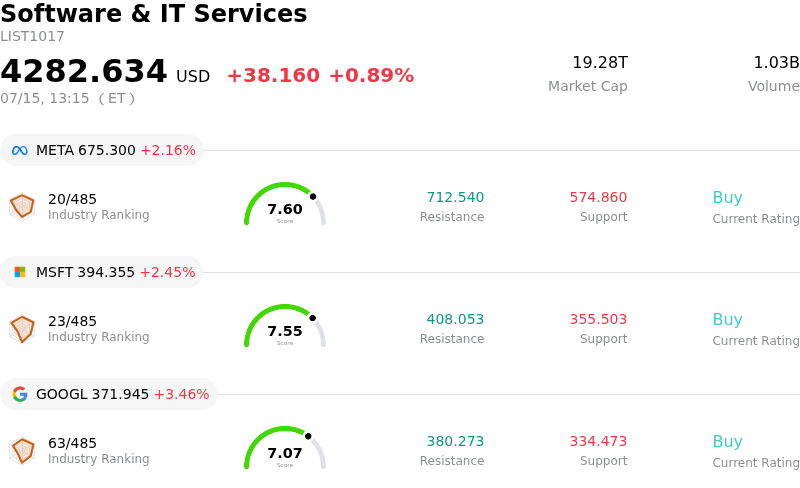
Oracle Corp (ORCL) moved up by 3.46%. The Software & IT Services sector is up by 0.89%. The company outperformed the industry. Top 3 stocks by turnover in the sector: Meta Platforms Inc (META) up 2.16%; Microsoft Corp (MSFT) up 2.45%; Alphabet Inc Class A (GOOGL) up 3.46%.
What is driving Oracle Corp (ORCL)’s stock price up today?
Oracle's upward movement today is primarily fueled by a convergence of sustained demand for its cloud infrastructure and a significant positive shift in institutional sentiment. As the company continues to pivot from its legacy database roots toward a cloud-first model, the market is increasingly valuing Oracle Cloud Infrastructure as a critical component of the global generative artificial intelligence ecosystem. Recent industry reports suggesting that Oracle has successfully expanded its high-capacity GPU clusters to meet the insatiable appetite of AI model developers have provided a substantial tailwind, reinforcing the belief that the company is effectively capturing market share from larger hyperscale competitors.
Beyond the technical infrastructure gains, the strength in the company's software-as-a-service applications, particularly its enterprise resource planning tools, continues to provide a reliable floor for valuation. Investors are reacting positively to data suggesting that the integration of recent healthcare-focused acquisitions is yielding better-than-expected cross-selling opportunities. This synergy is crucial as it demonstrates Oracle's ability to monetize specialized vertical markets while maintaining the high margins typically associated with its core software business, creating a more diversified and resilient revenue stream.
From a macroeconomic perspective, the intraday volatility was influenced by broader market reactions to cooling inflation data, which has encouraged a rotation back into high-growth technology stocks. As interest rate expectations stabilize, the discounted cash flow models for large-cap technology firms like Oracle become more attractive to institutional fund managers. This has triggered a wave of portfolio rebalancing, with several prominent analysts raising their price targets based on the company's accelerating backlog of remaining performance obligations, which signals long-term revenue visibility and operational stability.
The significant price activity also reflects a strategic tug-of-war between short-term profit-taking and long-term accumulation by institutional players. While the market remains sensitive to the company's elevated capital expenditure levels, the prevailing sentiment is that Oracle's aggressive investment in data center expansion is a necessary strategy to capitalize on the shift toward sovereign cloud environments. This strategic clarity, combined with robust fundamental execution and a favorable shift in the competitive landscape, remains the primary driver of the current bullish momentum.
Technical Analysis of Oracle Corp (ORCL)
Technically, Oracle Corp (ORCL) shows a MACD (12,26,9) value of -2.831, indicating a sell signal. The RSI at 25.520 suggests sell condition and the Williams %R at 99.109 suggests oversold condition. Please monitor closely.
Media Coverage of Oracle Corp (ORCL)
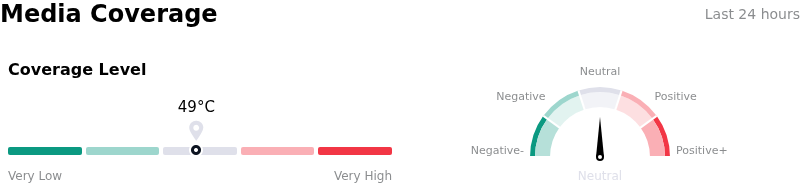
In terms of media coverage, Oracle Corp (ORCL) shows a coverage score of 49, indicating a moderate level of media attention. The overall market sentiment index is currently in neutral zone.
Fundamental Analysis of Oracle Corp (ORCL)
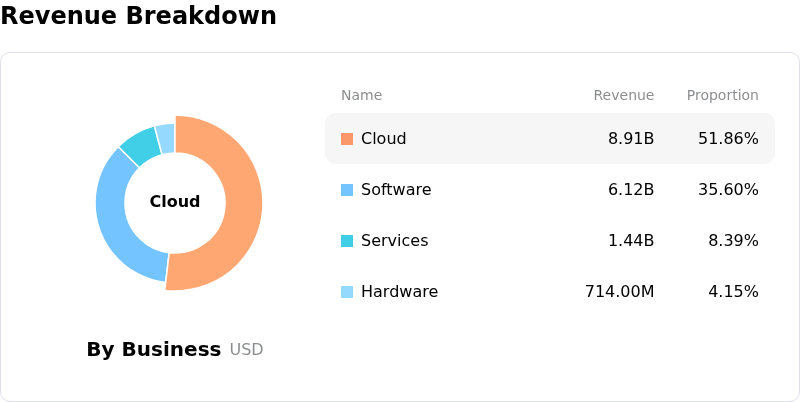
Oracle Corp (ORCL) is in the Software & IT Services industry. Its latest annual revenue is $67.36B, ranking 8 in the industry. The net profit is $16.98B, ranking 6 in the industry. Company Profile
Over the past month, multiple analysts have rated the company as Buy, with an average price target of $255.57, a high of $400.00, and a low of $155.00.
More details about Oracle Corp (ORCL)
Company Specific Risks:
- Data Privacy Legal Liabilities: Oracle recently reached a $115 million class-action settlement regarding allegations of unauthorized personal data collection and "shadow profiling"; this highlights significant ongoing regulatory risk and potential for further litigation as data privacy laws tighten globally.
- Capital Expenditure and Margin Compression: Increasing institutional concern regarding the massive capital outlays required to scale Oracle Cloud Infrastructure (OCI) to compete with hyperscalers; the heavy investment in AI-capable hardware and data centers threatens to compress operating margins if the conversion to high-margin recurring revenue lags.
- Legacy Segment Revenue Drag: Persistent stagnation in traditional on-premise software licenses and hardware segments continues to offset growth in the cloud division; any accelerated decline in these high-margin legacy businesses before cloud services reach full scale creates a structural risk to overall earnings stability.
- Execution Risk in Healthcare Modernization: Continued integration challenges with the Cerner acquisition, particularly regarding the speed of migrating legacy clinical systems to the cloud, pose a threat to the company’s Health and Life Sciences growth targets and overall fiscal guidance.
This article may include AI-generated content that is human-reviewed, which is for reference and general information purposes only and does not constitute investment advice.
Recommended Articles







Comments (0)
Click the $ button, enter the symbol, and select to link a stock, ETF, or other ticker.