


WTI (USOIL) Is up 3.62% on Jul 12: What You Need to Watch



WTI (USOIL) is up 3.62% at Jul 12 18:15(ET), now at $73.979, with a 7-day up of 7.71%.
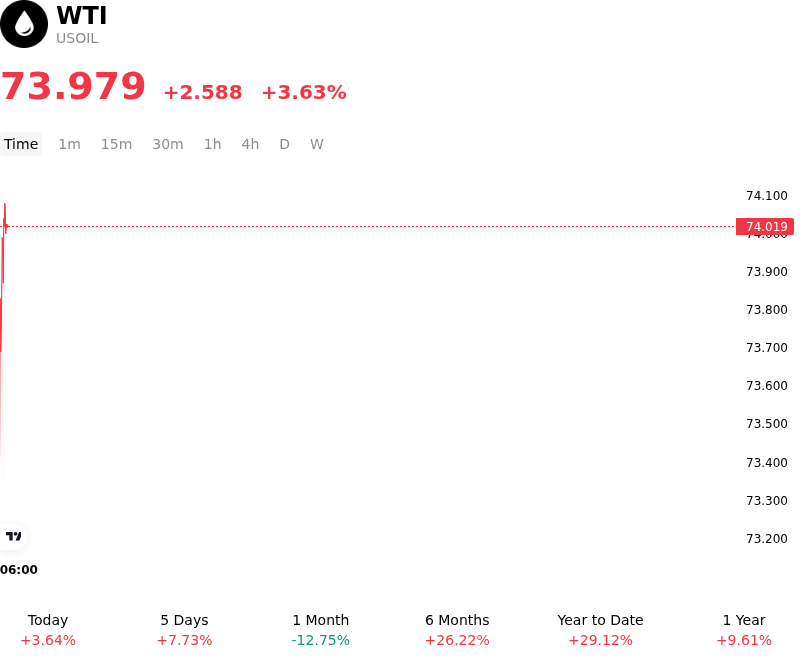
What is driving WTI (USOIL)’s stock price up today?
The advance in West Texas Intermediate (WTI) is primarily driven by a significant contraction in global supply expectations following an unplanned production outage in the North Sea and escalating geopolitical tensions in the Middle East. Reports of a technical failure at a major offshore platform, combined with renewed maritime security concerns in the Strait of Hormuz, have forced market participants to price in a more immediate risk premium. These supply-side shocks have exacerbated an already tight physical market, characterized by thinning spare capacity among non-OPEC plus producers.
Simultaneously, the demand outlook has been bolstered by the release of stronger-than-expected refinery utilization rates and a substantial draw in US crude inventories. High-frequency data indicates that seasonal gasoline demand is tracking significantly above historical averages, reflecting a robust summer travel season. This surge in consumption is colliding with a period of disciplined output from the OPEC plus alliance, which has signaled its intent to maintain production constraints through the remainder of the quarter to support market stability.
The upward momentum is further supported by macroeconomic tailwinds, specifically a weakening US dollar. Softening inflationary pressures in the United States have led investors to recalibrate their expectations for Federal Reserve policy, increasing the likelihood of a more accommodative monetary stance. A depreciating dollar makes crude oil more attractive to international buyers, stimulating physical demand. Furthermore, the shift in interest rate expectations has improved the broader risk appetite among institutional investors, triggering a wave of short-covering and renewed capital inflows into energy-linked indices.
From a structural perspective, the market balance remains tilted toward a deficit as long-term investment in upstream capacity continues to lag behind global consumption growth. While technical indicators suggest the move has entered overbought territory, the fundamental backdrop of declining inventories and supply fragility suggests that price floors have moved higher. Investors remain focused on upcoming inventory reports and potential weather-related disruptions in the Gulf of Mexico, which could further strain the delicate balance of the global energy complex.
Technical Analysis of WTI (USOIL)
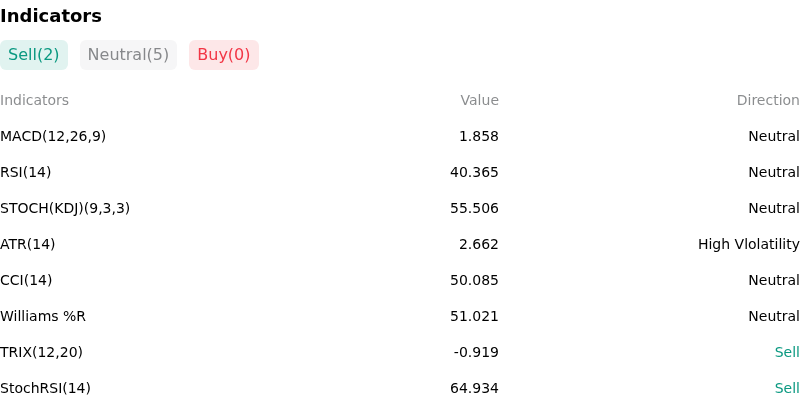
Technically, WTI (USOIL) shows a MACD (12,26,9) value of 1.858, indicating a neutral signal. The RSI at 40.365 suggests neutral condition and the Williams %R at 51.021 suggests neutral condition. Please monitor closely.
More details about WTI (USOIL)
Recent Events and Risks:
- Geopolitical Premium Erosion: Renewed diplomatic efforts and ongoing ceasefire negotiations in the Middle East have significantly reduced the "war premium" previously priced into WTI, as the immediate threat of major regional supply disruptions appears to be fading.
- Chinese Demand Deterioration: Recent economic data from China, including lower-than-expected refinery throughput and weakening industrial output, indicates a structural slowdown in consumption that is pressuring global demand forecasts.
- Bearish Inventory Shifts: Recent industry and government data showing unexpected builds in US gasoline and distillate inventories suggest that seasonal driving demand is underperforming, leading to concerns about a domestic supply overhang.
- OPEC+ Supply Normalization: Heightened market sensitivity to the planned phase-out of voluntary production cuts by OPEC+ starting in the fourth quarter is creating downside volatility, as traders fear an oversupplied market in an environment of cooling global growth.
This article may include AI-generated content that is human-reviewed, which is for reference and general information purposes only and does not constitute investment advice.
Recommended Articles






Comments (0)
Click the $ button, enter the symbol, and select to link a stock, ETF, or other ticker.