


Palo Alto Networks Inc Stock (PANW) Moved Down by 3.49% on Jul 10: What Investors Need To Know



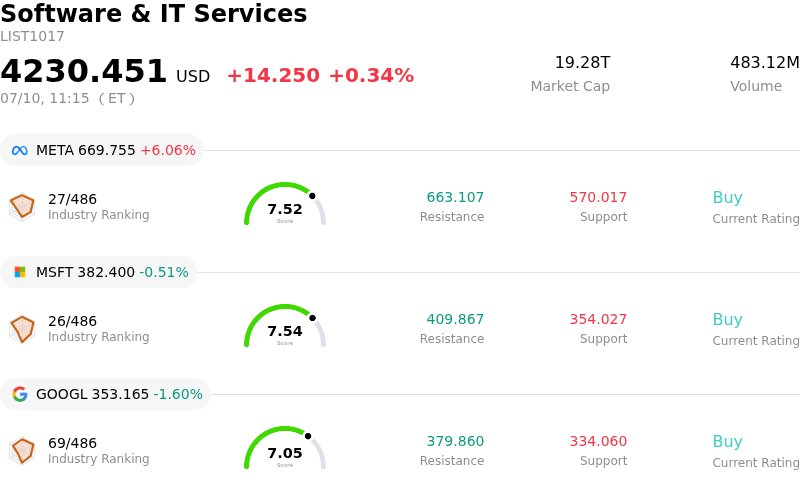
Palo Alto Networks Inc (PANW) moved down by 3.49%. The Software & IT Services sector is up by 0.34%. The company underperformed the industry. Top 3 stocks by turnover in the sector: Meta Platforms Inc (META) up 6.03%; Microsoft Corp (MSFT) down 0.49%; Alphabet Inc Class A (GOOGL) down 1.60%.
What is driving Palo Alto Networks Inc (PANW)’s stock price down today?
Palo Alto Networks is experiencing a notable decline today as broader market conditions weigh heavily on high-valuation software providers. The primary catalyst appears to be a shift in investor sentiment regarding the pace of enterprise cybersecurity spending. Recent macroeconomic data, particularly concerning persistent inflationary pressures, has led market participants to recalibrate expectations for interest rate cuts. For growth-oriented firms like Palo Alto Networks, which trade at significant multiples, any upward pressure on long-term yields typically triggers a valuation contraction as the present value of future cash flows is discounted more aggressively.
Beyond the macroeconomic backdrop, the company’s strategic pivot toward a platformization model remains a point of contention among institutional investors. While the long-term goal of consolidating security tools into a single ecosystem is sound, the short-term execution involves aggressive incentives and free trials that temporarily suppress billings growth. The current price movement suggests that the market may be reassessing the duration of this transition, fearing that the anticipated payoff in revenue acceleration might be further off than previously modeled.
Sector-specific dynamics are also contributing to the downward pressure. Reports of increased competition from cloud-native security rivals and diversified tech giants have raised concerns about pricing power within the industry. If enterprises prioritize cost-cutting over comprehensive platform upgrades, Palo Alto Networks could face headwinds in converting its massive installed base into higher-margin recurring revenue streams. This competitive tension often leads to intraday volatility as analysts adjust their near-term performance forecasts and price targets.
Finally, institutional portfolio adjustments are likely exacerbating the weakness. Following a period of relative outperformance, many large-cap growth funds appear to be locking in profits or rebalancing their exposure toward more defensive sectors in light of shifting volatility indices. The lack of a near-term catalyst, such as an imminent earnings release or a major product announcement, leaves the stock vulnerable to technical selling pressure. This combination of macro uncertainty, strategic transition risks, and sector-wide rotation explains the current negative trajectory observed in the market.
Technical Analysis of Palo Alto Networks Inc (PANW)
Technically, Palo Alto Networks Inc (PANW) shows a MACD (12,26,9) value of 1.165, indicating a buy signal. The RSI at 64.048 suggests neutral condition and the Williams %R at 32.559 suggests buy condition. Please monitor closely.
Media Coverage of Palo Alto Networks Inc (PANW)
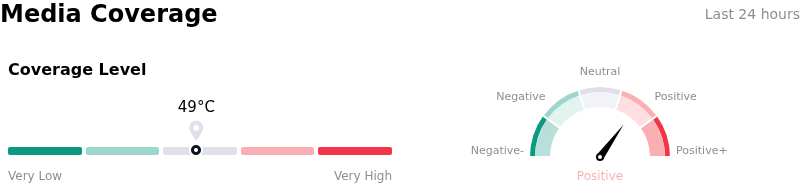
In terms of media coverage, Palo Alto Networks Inc (PANW) shows a coverage score of 49, indicating a moderate level of media attention. The overall market sentiment index is currently in bullish zone.
Fundamental Analysis of Palo Alto Networks Inc (PANW)
Palo Alto Networks Inc (PANW) is in the Software & IT Services industry. Its latest annual revenue is $9.22B, ranking 38 in the industry. The net profit is $1.13B, ranking 41 in the industry. Company Profile
Over the past month, multiple analysts have rated the company as Buy, with an average price target of $324.13, a high of $433.00, and a low of $203.00.
More details about Palo Alto Networks Inc (PANW)
Company Specific Risks:
- Platformization Execution Uncertainty: Institutional analysts have raised concerns regarding the aggressive "platformization" strategy, which offers free product consolidation to clients; this strategy risks short-term billings deceleration and significant deferral of revenue recognition.
- Fiscal Guidance Volatility: Following a previous high-profile downward revision, current market sentiment is pressured by fears of further adjustments to full-year revenue and billings targets during the upcoming earnings cycle, leading to defensive intraday positioning.
- Competitive Margin Compression: Heightened pricing wars with rivals such as CrowdStrike and Zscaler in the SASE and XDR markets are forcing deeper discounts, threatening the company’s operating margins and long-term average contract values.
- Cybersecurity Spending Fatigue: Recent commentary suggests a shift in enterprise procurement toward "budget-conscious" security spending, which may extend sales cycles for Palo Alto's high-ticket legacy hardware and integrated cloud solutions.
This article may include AI-generated content that is human-reviewed, which is for reference and general information purposes only and does not constitute investment advice.
Recommended Articles








Comments (0)
Click the $ button, enter the symbol, and select to link a stock, ETF, or other ticker.