


SpaceX IPO Update: Musk Limits Stock Float to 5% Ahead of Expected June 12 Listing—Is a Massive Surge Inevitable?



AI Podcast


SpaceX plans to file updated IPO prospectus documents, disclosing its target offering price range and aiming for an underwriting fee rate below 0.75%. The company may reserve up to 5% of Class A shares for employees and associates, which will not be subject to lock-up restrictions. The IPO, potentially raising approximately $75 billion, is expected to feature a limited share offering, a strategy potentially employing "scarcity marketing" to boost the first-day stock price. SpaceX's valuation is projected between $1.75 trillion and $1.8 trillion, with the possibility of becoming the largest IPO in history.
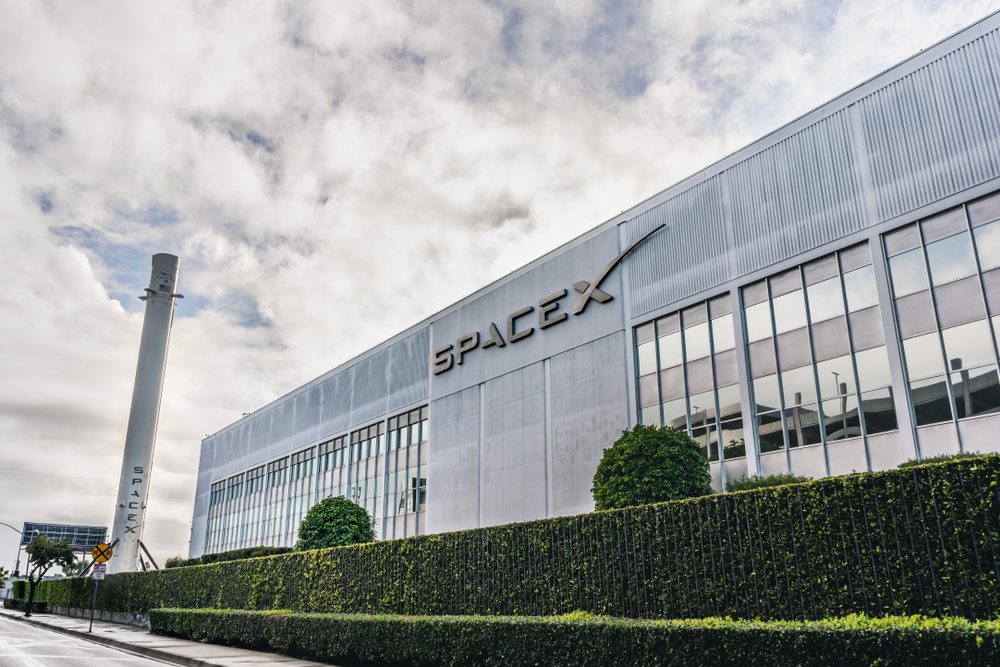
TradingKey - According to The Wall Street Journal, citing people familiar with the matter, SpaceX will submit updated prospectus filings as early as Wednesday, disclosing its target offering price range for the first time.
Bloomberg reported on Tuesday that SpaceX is in negotiations with banks underwriting its IPO, aiming to drive the underwriting fee rate below 0.75%. SpaceX may reserve up to 5% of Class A shares for employees and the friends and family of executives, and these shares will not be subject to lock-up restrictions post-listing. The Wall Street Journal, citing people familiar with the matter, reported that SpaceX plans to sell less than 5% of its shares.
According to Reuters, SpaceX plans to issue 555.6 million shares in its IPO with a target price of $135 per share, expecting to raise $75 billion. It will announce the terms of the offering on Wednesday (June 3), launch its roadshow on June 4, and price the deal as early as June 11.
Why SpaceX’s 5% Limited Stock Float Could Fuel a Trading Debut Rally
According to The Wall Street Journal, SpaceX's IPO plan involves offering less than 5% of its shares, with a total value between $60 billion and $80 billion and a target valuation of $1.75 trillion to $1.8 trillion. The IPO fundraising amount of approximately $75 billion represents less than 5% of the $1.75 trillion valuation. Why would such a massive IPO restrict its share offering?
Analysis suggests that SpaceX may be pursuing a "scarcity marketing" strategy. The secondary market has long anticipated the SpaceX IPO, and since share allocations will be difficult to obtain, the limited offering will support a surge in the stock price on the first day of trading. Furthermore, given the high projected valuation, the company is expected to be included in various indices quickly via fast-entry rules, triggering passive buying by funds and providing more solid support for the share price.
SpaceX Insider Shares: 5% Reserved for Friends & Family with No Lockup Period
SpaceX may reserve up to 5% of the total Class A shares offered for employees, executives, and their friends and family. The company stated that if these shares reserved for insiders are not subscribed, they will participate in a "direct share program" and be taken up by general market investors. SpaceX did not specify the final actual allocation ratio or disclose the specific list of eligible participants. However, this means some insiders can sell their holdings early in the market, enjoying high liquidity and potential gains.
Furthermore, SpaceX stated that more than 60% of the shares issued prior to the IPO will remain subject to extended lock-up restrictions.
Slashed Underwriting Fees: How SpaceX Is Setting a US Record at 0.75%
If SpaceX successfully compresses its underwriting fee to 0.75%, it would set another record in the U.S. market. According to Bloomberg, the only other time a fee as low as 0.75% was recorded in U.S. history was in 2010, when the Treasury Department arranged General Motors' listing; at that time, in the aftermath of the financial crisis, Wall Street accepted the rock-bottom rate.
With a target valuation of $2 trillion, SpaceX is poised to become the largest IPO in history. Historical data shows that investment banks typically charge 4% to 7% for IPOs, while fees for mega-IPOs are generally above 1%. SpaceX possesses significant bargaining power over underwriting fees primarily because its listing scale makes it a historic project, placing Elon Musk in an absolute seller's market. Moreover, due to the massive size of the IPO, investment banks can still reap substantial rewards from the high capital base even with a low rate. Even if the rate is as low as 0.75%, the sheer magnitude of the deal would make this one of the largest IPO fee payouts in history.
This content was translated using AI and reviewed for clarity. It is for informational purposes only.
Recommended Articles






Comments (0)
Click the $ button, enter the symbol, and select to link a stock, ETF, or other ticker.