


U.S., Iran Reported to Reach 60-Day Ceasefire Memorandum of Understanding. Global Asset Market Trading Volumes Surge, Three Major U.S. Stock Index Futures Rise Across the Board



AI Podcast


A reported 60-day ceasefire and MOU between the U.S. and Iran, pending presidential approval, has spurred significant trading volume across global markets. While initial market reactions were mixed, with U.S. stock index futures reversing gains, gold prices briefly spiked. Crude oil futures also saw fluctuations. The proposed agreement includes unrestricted shipping in the Strait of Hormuz and discussions on Iran's nuclear program, specifically enriched uranium disposal and enrichment restrictions. In return, the U.S. would discuss sanctions relief and asset releases. However, achieving a final deal satisfying U.S. demands remains uncertain due to the need for intensive negotiations and past deal failures.
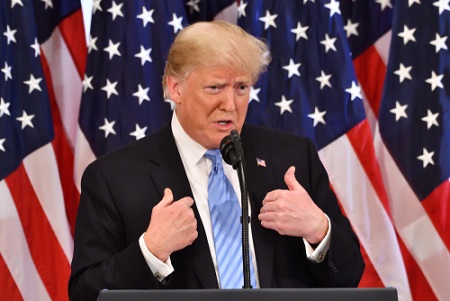
Tradingkey - On May 28, U.S. government officials pointed to the latest ceasefire agreement reached between the U.S. and Iran. Following this major geopolitical news, trading volumes in major global asset markets surged significantly throughout the day.
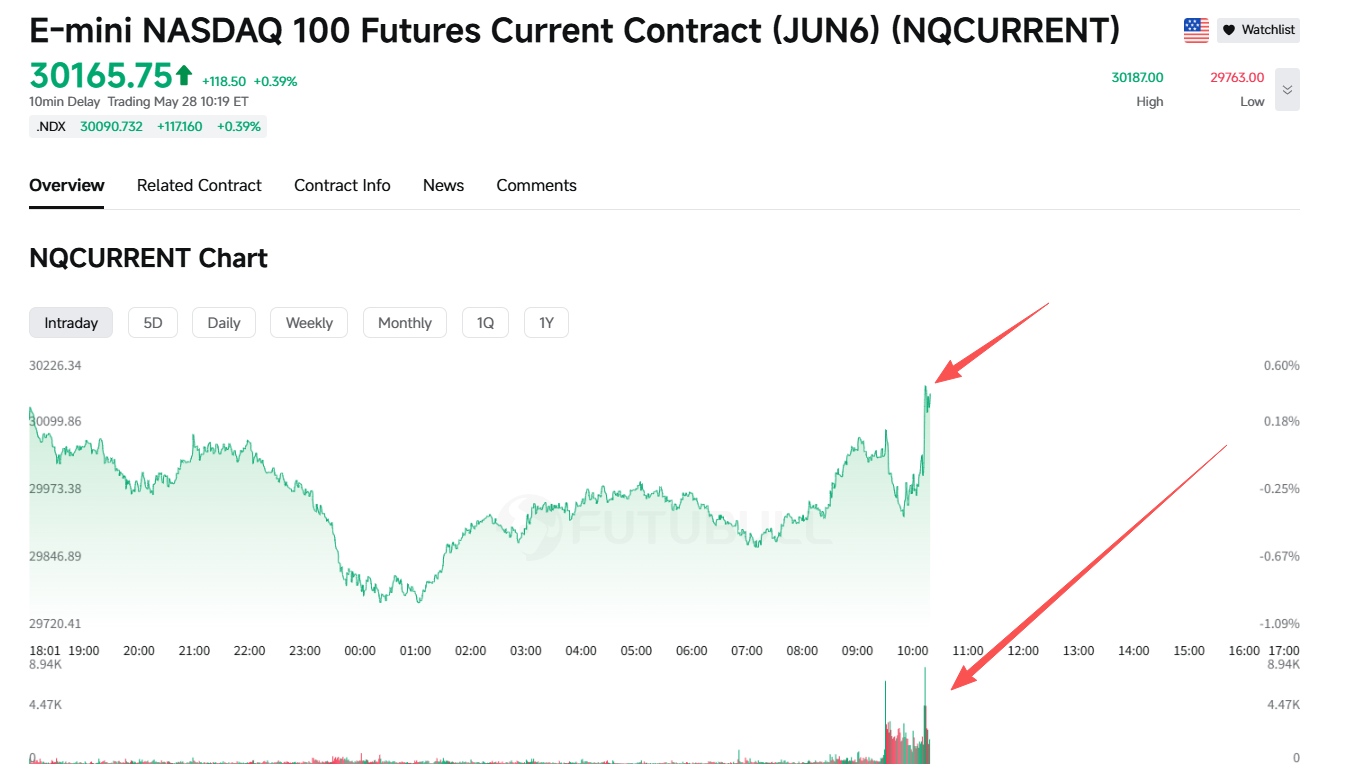
The three major U.S. stock index futures all reversed earlier gains to move lower; as of press time, Dow Jones Industrial Average futures were up 0.02%, S&P 500 futures rose 0.23%, and Nasdaq 100 futures gained 0.39%.
Spot gold prices spiked in the short term, rising by more than $100; as of press time, it was up 0.14%, trading at $4,452.
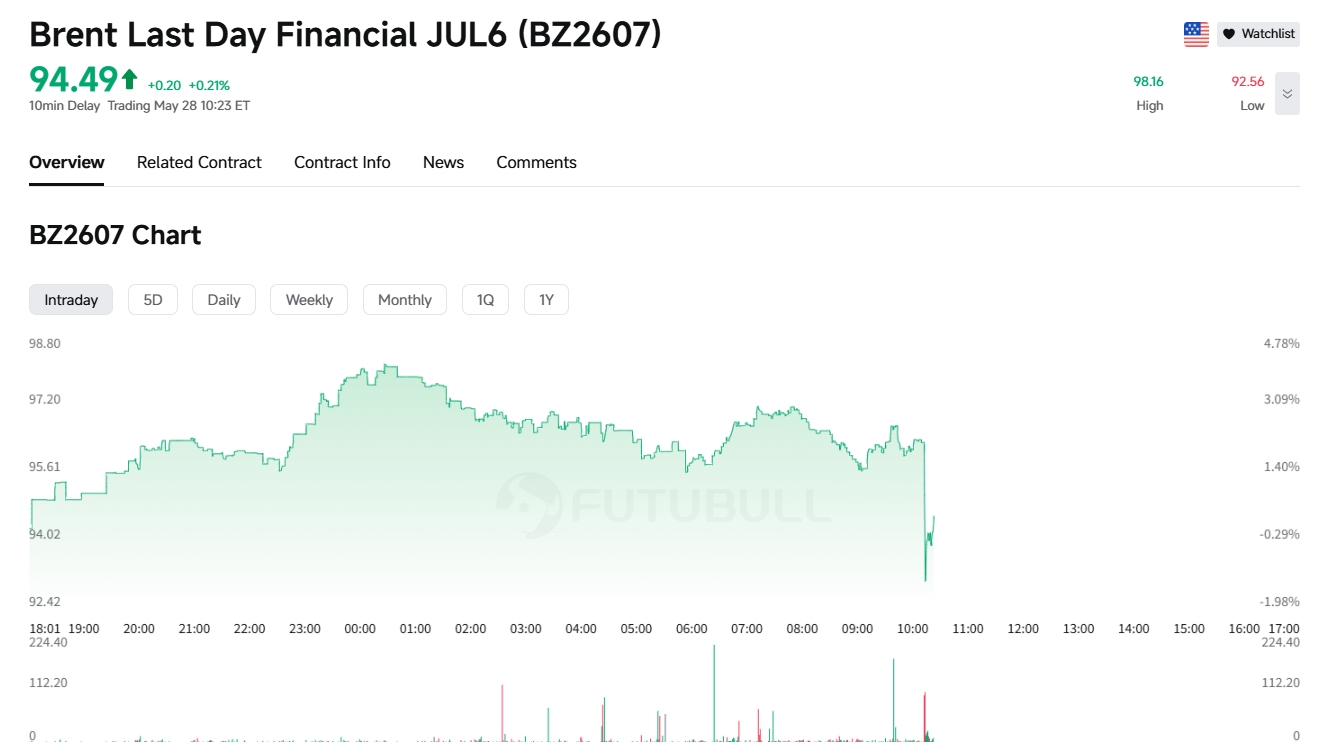
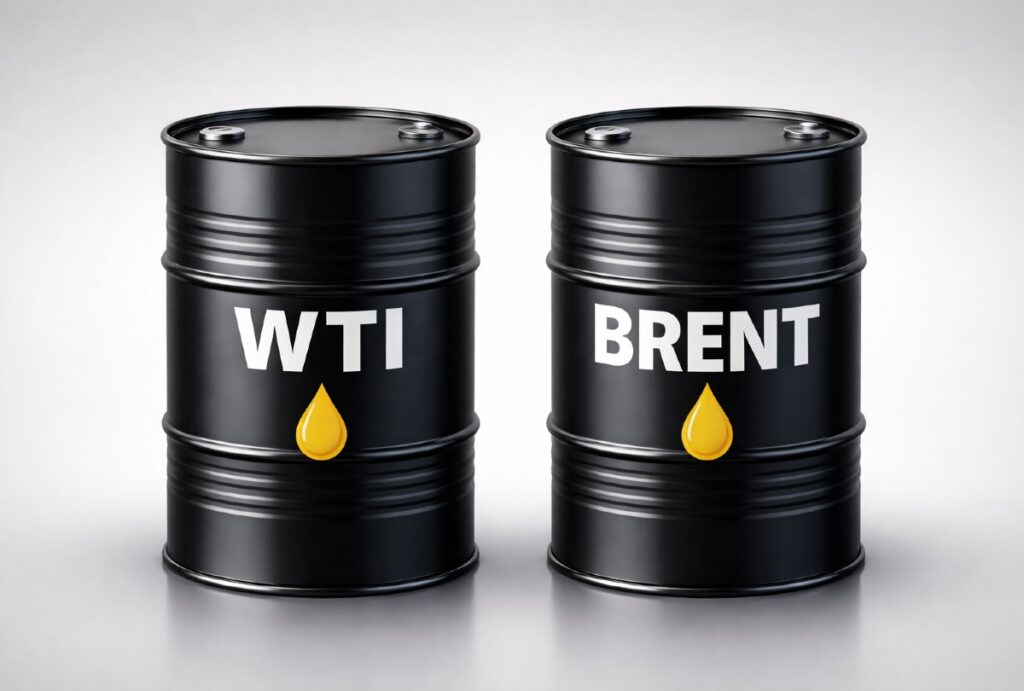
The two major crude oil futures fell before rising; as of press time, WTI crude oil futures were up 0.36% at $89, while Brent crude oil futures rose 0.21% to $94.49.
According to an exclusive report by Axios citing two U.S. government officials, negotiators from the U.S. and Iran have reached an agreement on a 60-day Memorandum of Understanding (MOU), which includes extending the ceasefire and initiating negotiations on the Iranian nuclear issue, though the agreement still requires final approval from President Trump.
The signing of this MOU would mark the most significant diplomatic breakthrough since the current conflict began; however, achieving a final deal that satisfies Trump's nuclear demands will still require several rounds of intensive follow-up negotiations.
Regarding behind-the-scenes progress, U.S. officials stated that as of Tuesday, core terms of the agreement had been largely agreed upon, pending approval from the top leadership of both nations. The U.S. stated that the Iranian side subsequently reported receiving the necessary authorization and was ready to sign, though Iranian officials have not yet confirmed this. The U.S. negotiating team has provided a detailed briefing to Trump on the final details, and Trump indicated he needs several days for review. "The President has communicated to the mediators that he needs a few days to consider it," a U.S. official revealed. Notably, at various stages of this conflict, Trump and his advisors have repeatedly believed they were close to a deal, only for it to fail to materialize.
Regarding specific terms, the 60-day MOU stipulates that shipping in the Strait of Hormuz will be "unrestricted," meaning no tolls may be levied and passing vessels must not be harassed; Iran is required to clear all mines in the strait within 30 days. Simultaneously, the U.S. will lift its maritime blockade on Iran, with the pace of lifting tied to the restoration of commercial shipping.
On the nuclear issue, the memorandum includes a commitment from Iran not to seek the development of nuclear weapons and specifies that the primary topics during the 60-day negotiation period will be the disposal plan for Iran's highly enriched uranium and restrictions on enrichment activities. In return, the U.S. promised to discuss the lifting of sanctions and the release of frozen Iranian assets abroad in subsequent negotiations. The MOU also includes institutional arrangements to help Iran resume commodity imports and receive humanitarian aid.
This content was translated using AI and reviewed for clarity. It is for informational purposes only.
Recommended Articles










Comments (0)
Click the $ button, enter the symbol, and select to link a stock, ETF, or other ticker.