


Micron vs. Samsung: Samsung Strike Crisis Just Resolved, Micron Announces Global Expansion; Will Memory Giant Rankings Reshuffle?



AI Podcast


Samsung's union approved a pay deal, ending strike turmoil, with employees receiving substantial bonuses. Amidst this, rival Micron saw its stock surge and announced accelerated global plant construction, with new capacity expected from 2027. Analysts suggest Samsung's disruption could benefit Micron through increased orders or price premiums, driven by hyperscalers seeking supply chain stability for AI data centers. While Micron anticipates a memory shortage extending beyond 2026 and large-scale capacity not until 2028, its expansion plans, including US reshoring and new facilities in Japan and Singapore, position it strategically. However, Micron previously missed Nvidia's technical qualification, trailing Samsung and SK Hynix in R&D cycles.
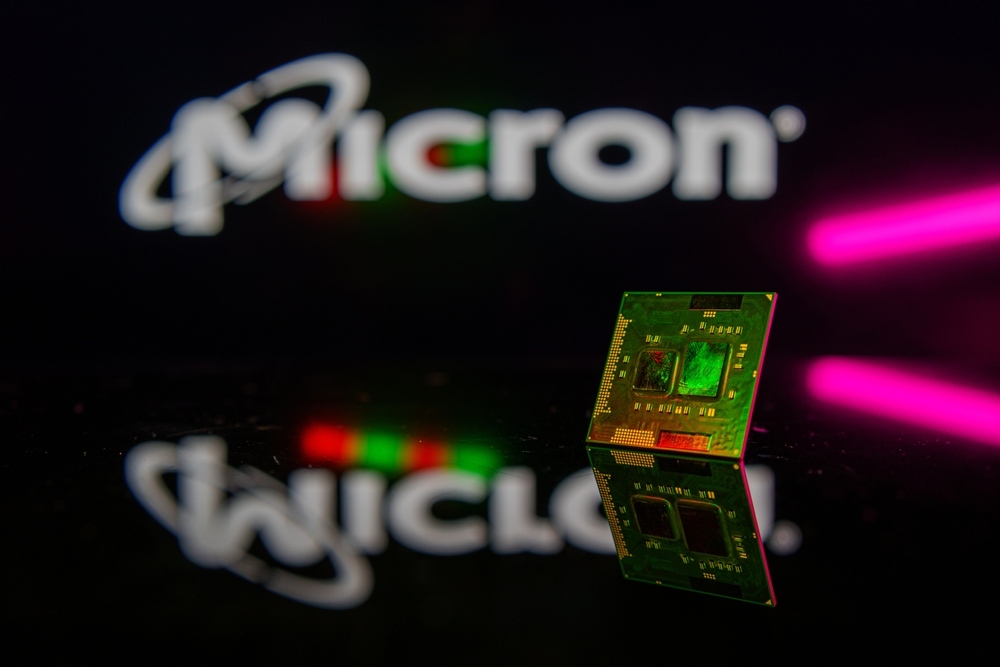
TradingKey - On Wednesday (May 27), Samsung's strike saga finally concluded as the union approved a pay deal with a 73.7% support vote. According to Bloomberg estimates, semiconductor division employees will receive an average of 513 million won, equivalent to $340,000; bonuses for some memory business staff could even reach 600 million won.
While this turmoil unfolded in Seoul, Samsung's rival Micron (MU) reported positive news: its U.S. shares closed up 19% on Tuesday, reflecting extreme market bullishness. Micron management stated in a recent interview that the company is accelerating global plant construction plans, with new capacity expected to come online starting in 2027, enhancing the visibility of future growth prospects.
Has the Samsung strike saga quietly reshaped the global memory industry? Is Micron poised to surpass Samsung in the future?
Micron Expands Capacity, Awaiting Large-Scale Release in 2028
According to a MarketWatch report, Itau BBA analyst Stephano Gabriel noted that because supply chain stability is crucial for hyperscalers building AI data centers, Micron may benefit from the labor conflict at Samsung, primarily by securing a higher share of future orders or a price premium.
MarketWatch cited Baptista Research analyst Ishan Majumdar, who stated that while Samsung's "temporary disruption" could potentially benefit Micron, investors are now more concerned with the "broader cyclical growth in AI memory," pinning their hopes on the scarcity and strengthening prices of HBM (High Bandwidth Memory), which could benefit Micron through 2027.
According to a recent Bloomberg Podcasts interview with Micron CEO Sanjay Mehrotra, Mehrotra expects the global memory shortage could extend beyond 2026, while the release of meaningful large-scale new capacity will not occur until at least 2028.
Micron is preparing for this. On one hand, the company is committed to reshoring 40% of its DRAM manufacturing to the United States, with DDR4 memory production at its key Manassas site quadrupling. Meanwhile, Micron is expanding its global capacity footprint, targeting 2028 for HBM chip shipments from Hiroshima, Japan; its Singapore NAND fab is expected to start up in the second half of 2028. Construction of the "twin fab" supporting the Tongluo wafer fab recently acquired from PSMC is expected to begin this summer, with its existing Tongluo P5 plant projected to achieve meaningful DRAM wafer output in the second half of 2027, and the new Tongluo plant expected to begin shipping from fiscal year 2028.
Samsung Strike: Will Micron Rapidly Overtake?
With full-scale capacity expansion underway, can Micron maximize current tailwinds and eventually surpass Samsung in market share?
Analysts note that while Samsung's strike crisis has temporarily abated, the situation has alerted the market to the escalating risks of over-concentrated capacity in the memory industry, positioning Micron's expansion as a strategic alternative for risk mitigation. Some analysis suggests that certain clients, seeking to hedge against potential risks, have already begun diverting a portion of their mid-to-long-term orders to Micron.
Furthermore, as Micron does not need to allocate heavy capital to labor settlements, it will maintain more robust cash flow for capacity expansion. Micron's absorption of semiconductor talent exiting South Korean firms may also narrow the R&D timeline gap with its Korean rivals, creating favorable conditions for Micron to challenge Samsung's lead.
Nevertheless, the objective gap between these firms must be weighed: having previously missed Nvidia's technical qualification, Micron lost out on initial orders and now lags Samsung and SK Hynix by an R&D cycle of approximately nine months. Until significant new capacity is brought online, Micron will remain considerably smaller than its two South Korean competitors and unable to meet the market's rapidly ballooning demand for memory.
This content was translated using AI and reviewed for clarity. It is for informational purposes only.
Recommended Articles






Comments (0)
Click the $ button, enter the symbol, and select to link a stock, ETF, or other ticker.