


South Korea's Kospi Closes Up 0.73%, Samsung Electronics Rises Over 4%, SK Hynix Edges Higher



On August 11, South Korea’s KOSPI index rose 0.73% to 6,345.53 points, driven by strong chip performances such as Samsung Electronics gaining 4.13%. Meanwhile, Japanese markets were closed for Mountain Day. In the semiconductor sector, SK Hynix advanced next-generation DRAM R&D by integrating extreme ultraviolet lithography upgrades and new materials following its adoption of High-NA EUV equipment. Concurrently, the South Korean government announced plans to legislate "super special zones" within a year to support mega-projects like semiconductor clusters, bolstering the nation's competitive standing in the global supply chain amid ongoing policy and technological advancements.
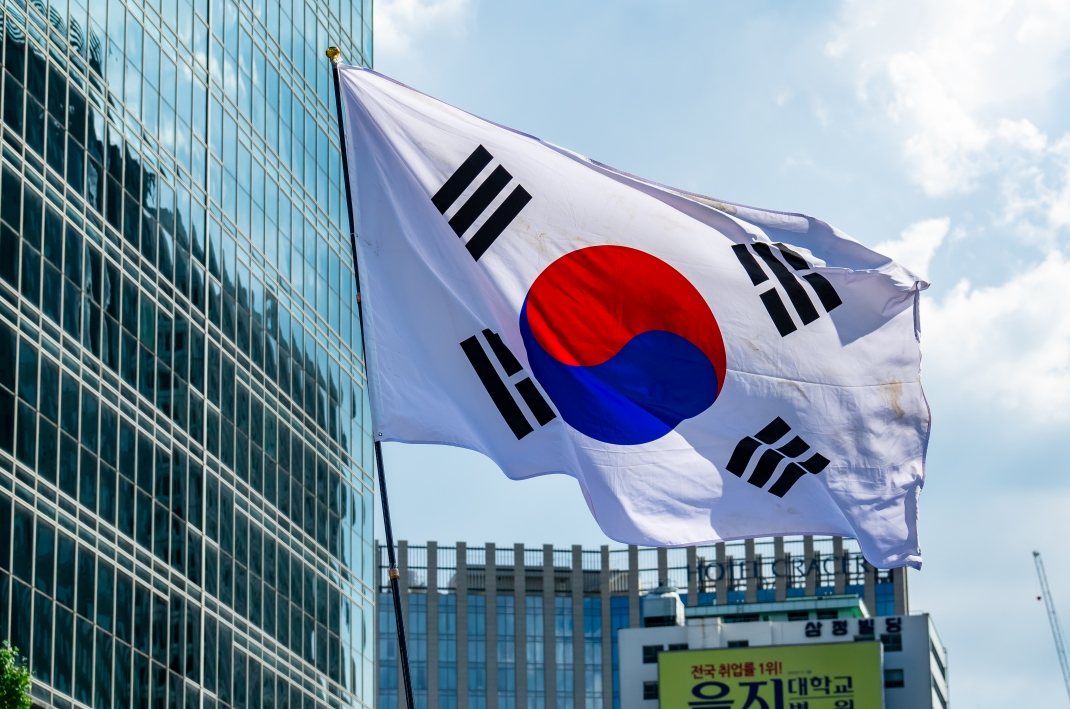
TradingKey - On August 11, South Korean stocks extended their rebound, with the Korea Composite Stock Price Index (KOSPI) closing up 0.73% at 6,345.53. Japanese stocks were closed for the "Mountain Day" public holiday, with trading suspended for the day.
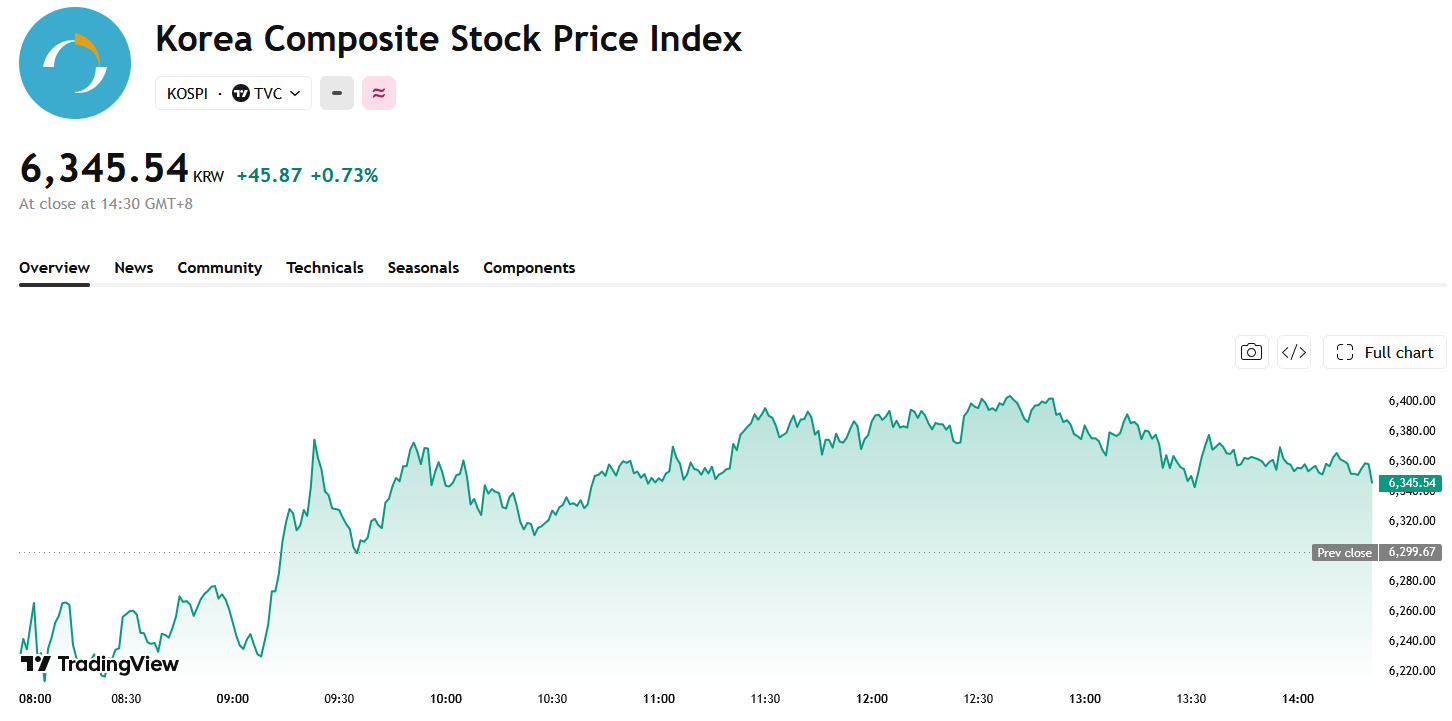
Source: TradingView
Samsung Electronics emerged as a market highlight, closing up 4.13% at 239,500 won (about $169); SK Hynix gained 0.35% to close at 1,425,000 won.
On the news front, SK Hynix is accelerating research and development of next-generation DRAM production technology. According to South Korean media reports, the company is advancing extreme ultraviolet (EUV) technology upgrades and has begun introducing new materials such as phase shift masks (PSM) to further improve EUV process performance.
SK Hynix took the lead in introducing high-numerical aperture (High-NA) EUV equipment last year and expanded related R&D efforts this year in preparation for mass production of next-generation DRAM.
Meanwhile, the South Korean government is also advancing the construction of semiconductor industry clusters. South Korea's presidential office, the Blue House, stated that it plans to promote the passage of "super special zone legislation" related to "three major super projects" over the next year, among which the Gwangju military airport relocation project is expected to be completed in 2028 and incorporated into the local semiconductor cluster plan.
With policy support and advanced process node R&D progressing in tandem, South Korea is further reinforcing its competitive advantage in the global semiconductor supply chain.
This content was translated using AI and reviewed for clarity. It is for informational purposes only.
Recommended Articles






Comments (0)
Click the $ button, enter the symbol, and select to link a stock, ETF, or other ticker.