


Fed's Kashkari: Inflation Pressures Have Spread Beyond Oil Shock to Multiple Areas of US Economy



AI Podcast


Minneapolis Fed President Neel Kashkari warned that broad-based inflation has penetrated multiple economic sectors beyond energy. Citing persistent inflation above the 2% target, the Fed implemented a 25 basis point rate hike at its September 15–16 meeting to prevent entrenched price expectations. Policymakers remain concerned over prolonged inflation failures, though strong economic resilience and a solid labor market support the outlook. Kashkari emphasized the Fed's commitment to utilizing policy tools to achieve price stability, anticipating that easing geopolitical disruptions and sustained economic growth will ultimately drive inflation lower.
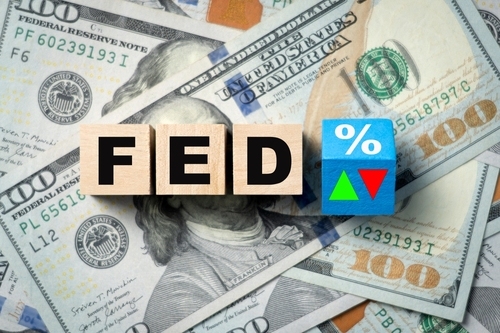
TradingKey - Minneapolis Fed President Neel Kashkari said U.S. inflation remains elevated, with price pressures no longer confined to oil prices driven up by the war in Iran, but rather spreading across multiple sectors of the economy.
Kashkari stated that the inflation Americans experience in daily life is "far more than just an oil price issue," but has penetrated every aspect of the economy. He pointed out that beyond energy prices, inflation pressures also exist in the service sector, indicating that price increases are more broad-based, and the Fed still needs to continue pushing inflation back down to its 2% target.
At the interest rate policy meeting on September 15–16, Fed officials unanimously decided to raise interest rates by 25 basis points, marking the first rate hike since 2023. This move was intended to curb inflation that has stubbornly failed to return to the target range. Kashkari said the Fed has failed to bring inflation down to 2% for more than five years, making policymakers increasingly worried that price pressures are not merely triggered by localized factors such as the Middle East conflict and tariffs, but may have accumulated across broader economic activity.
As one of the three dissenting officials who advocated for a rate hike at the July meeting, Kashkari had previously warned that if policy tightening were initiated too late, inflation expectations could become entrenched, at which point the Fed might be forced to adopt more aggressive tightening measures. He emphasized that controlling inflation is the Fed's core responsibility, and the central bank possesses the policy tools to achieve this goal.
Although geopolitical conflicts and trade frictions continue to bring uncertainty to the economic outlook, Kashkari believes the U.S. economy has demonstrated strong resilience and the labor market remains solid. He expects that as disruptions from some external conflicts subside, economic growth is poised to regain its dominant role and drive inflation further down.
"My hope is that as some conflicts take a backseat, economic growth can truly take over and help lower inflation," Kashkari said. "If inflation continues to decline, the Fed's job will be much easier."
This content was translated using AI and reviewed for clarity. It is for informational purposes only.
Recommended Articles








Comments (0)
Click the $ button, enter the symbol, and select to link a stock, ETF, or other ticker.