


Strait of Hormuz Crisis Escalates: Gold Drops Below 4,000 Mark, Bitcoin Faces 60,000 Defense Battle



AI Podcast


Escalating military tensions in the Strait of Hormuz have triggered a market-wide sell-off. As of Asia time July 14, gold dropped below $4,000 per ounce, while Bitcoin dipped below $62,000. Reciprocal blockades by the U.S. and Iran pushed WTI crude oil above $80, fueling fears of rebounding inflation ahead of this week’s CPI data. Rising energy prices bolster the case for hawkish Federal Reserve policy, constraining global liquidity. Consequently, risk assets remain under significant pressure, with Bitcoin facing a critical test of the $60,000 support level as inflationary concerns persist.
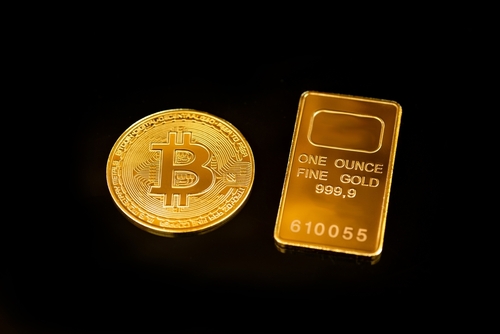
TradingKey - The struggle for the Strait of Hormuz escalates again; both gold and Bitcoin fall and are likely to continue facing pressure.
On July 14, Asia time, the full escalation of the Middle East geopolitical black swan triggered further declines in gold ( XAUUSD) and Bitcoin ( BTC) to fall further. During early trading, gold officially broke below the psychological $4,000 mark, temporarily trading at $3,999 per ounce. Meanwhile, Bitcoin fell by over 2%, briefly dipping below $62,000 and once again sounding the alarm for the defense of the critical $60,000 level.
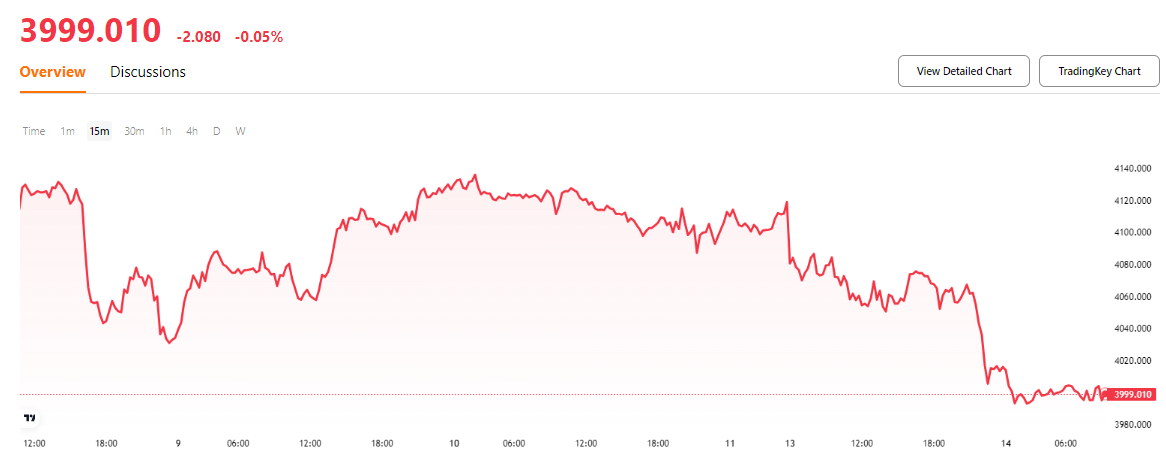 Gold price chart, Source: TradingView
Recently, the US and Iran exchanged military strikes in the Strait of Hormuz, with both sides launching blockade actions. Iran unilaterally announced the "indefinite closure of the Strait of Hormuz," while the US Central Command announced the official resumption of its military blockade of Iran's entire coastline, effective July 13, Eastern Time. The blockades by both sides triggered an instant surge in international oil prices (WTI), which briefly broke through the $80 mark, while the resurgence of energy prices cast a shadow of rebounding inflation over the June CPI data to be released this week.
Over the past two days of full-scale exchanges of fire between the US and Iran and a bloodbath in gold, Bitcoin showed greater resilience than gold, briefly holding the $62,000 defensive line. However, as long as the inflationary pressures triggered by energy are not eliminated, the Federal Reserve's hawkish threat will continue to hang over the crypto market and risk assets. Currently, rising oil prices provide support for rate hikes, and the "decline of Bitcoin" is the inevitable result of global liquidity being drained, testing the key $60,000 level in the short term.
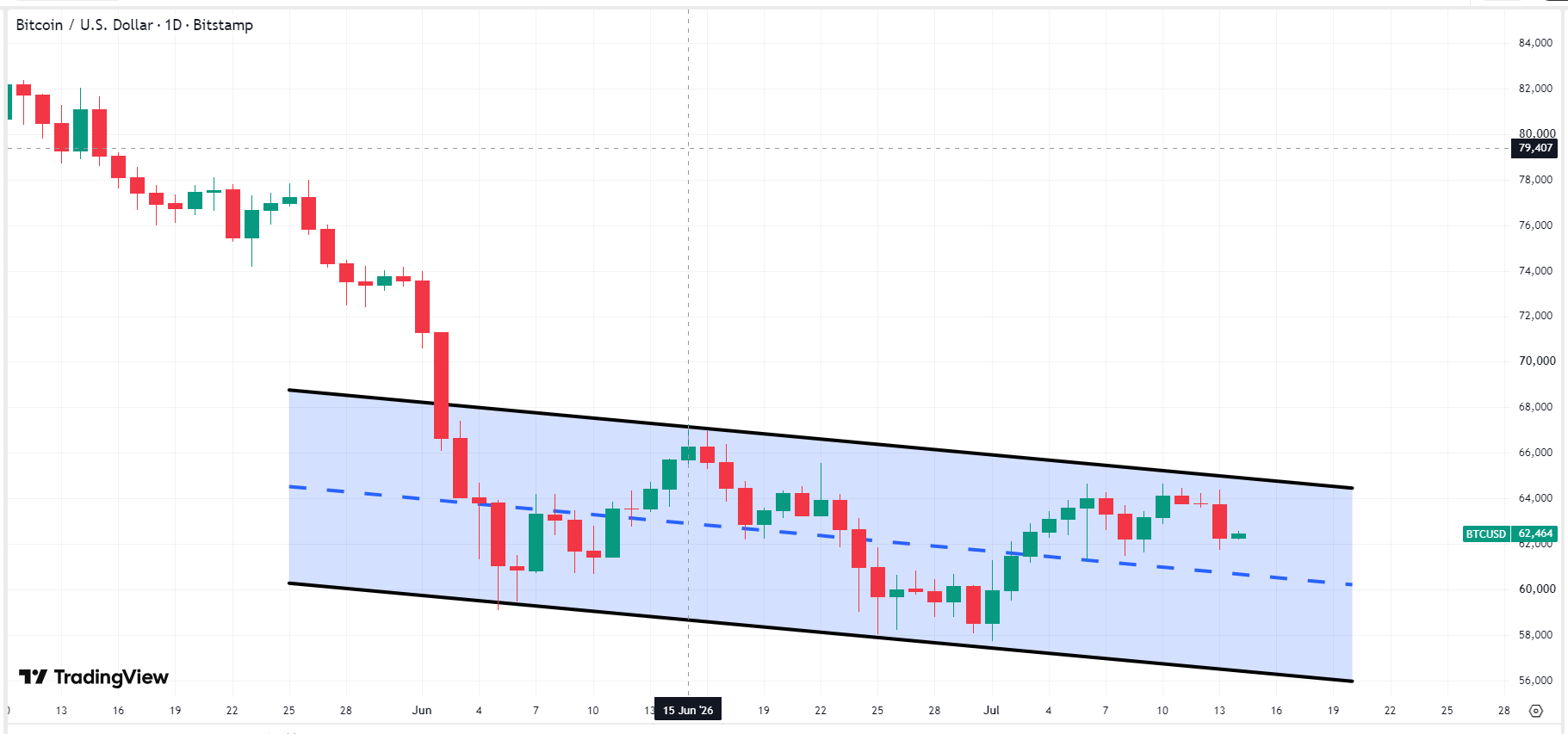 Bitcoin price chart, Source: TradingView
This content was translated using AI and reviewed for clarity. It is for informational purposes only.
Recommended Articles












Comments (0)
Click the $ button, enter the symbol, and select to link a stock, ETF, or other ticker.