


Bitcoin Self-Custody: From Satoshi’s First Client to the MPC Era of 2026



AI Podcast


Bitcoin wallets have evolved from technical full-node applications to user-friendly, multi-chain hubs focused on "productive capital." The industry now emphasizes seedless recovery via Multi-Party Computation (MPC), replacing traditional seed phrases. This enables staking, lending, and borrowing directly from wallets, transforming Bitcoin into a yield-generating asset (BTCFi). Hardware wallets offer MEV shielding, while smart wallets facilitate DeFi participation without surrendering custody. By Q4 2026, embedded wallets and ATM integrations will further streamline access, marking an era of secure, seedless, and productive Bitcoin utilization.

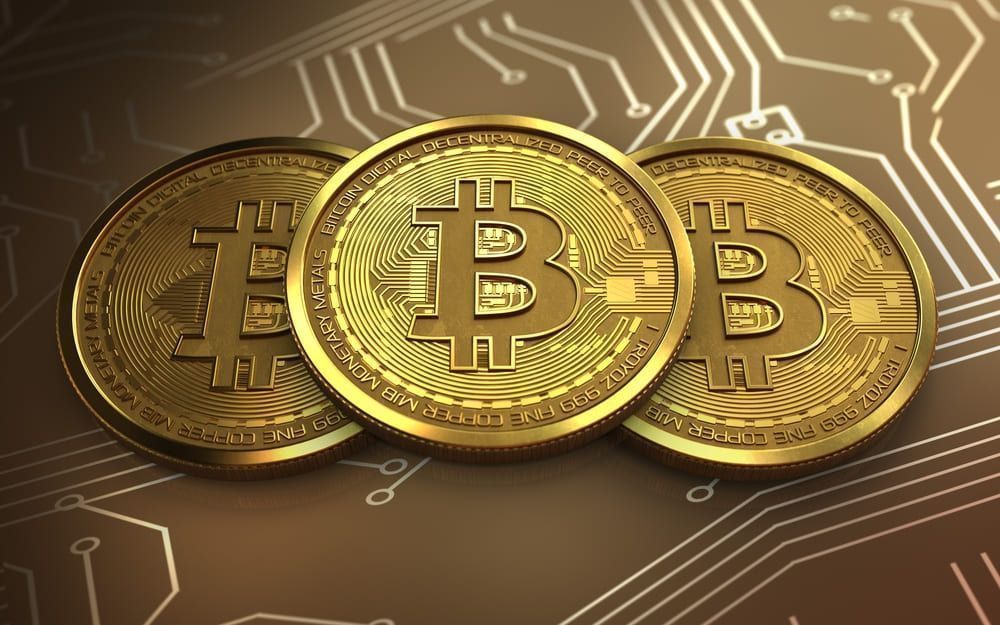
TradingKey - The "be your own bank" mantra has undergone a radical transformation since the first Bitcoin (BTC) block was mined. In the early days, managing a personal wallet was a technical marathon; today, it is an effortless fintech experience. As we navigate the financial terrain of 2026, the industry's top Bitcoin wallets have evolved from bulky desktop applications into elegant, multi-chain hubs that synthesize institutional-grade security with retail-friendly usability.
For the modern investor, the biggest Bitcoin wallets are no longer solely about passive storage — they are about “productive capital.” Bitcoin is no longer a frozen asset; it is the backbone of a burgeoning DeFi system (BTCFi) that introduces staking, lending, and institutional-grade recovery as the new industry standards.
The Genesis: Bitcoin-Qt and the First Bitcoin Wallet
To understand the future of self-custody, we must acknowledge the origins of the first Bitcoin wallet. Developed by Satoshi Nakamoto alongside the Bitcoin protocol, the initial client — later known as Bitcoin-Qt — was released in February 2009.
In those early days, the wallet was a "full node," requiring users to download the entire Blockchain history to validate a single transaction. While this was a manageable 6 GB in 2012, the BTC Blockchain has blown past the 500 GB mark as of early 2026, rendering full-node wallets a specialized tool for privacy purists rather than the average user.
The original security model relied on a single file: wallet.dat. Although Satoshi included encryption options, this "single point of failure" led to countless tales of lost fortunes due to wiped folders or corrupted drives. This inherent fragility birthed the quest for the resilient storage solutions we see today.
The Self-Custody Spectrum: Hardware, Paper, and Smart Wallets
The evolution of the ecosystem has split the industry into three primary storage methodologies: physical backups, cold storage, and smart contract wallets.
The Physical Fortress: Bitcoin Paper Wallets
Despite the digital shift, the Bitcoin paper wallet remains a legacy favorite for those who value a physical "cold" storage system. By generating a private/public key pair offline and printing it, users create a system that is virtually hacker-proof. However, 2026 conventional wisdom holds that while a paper wallet is secure for long-term "deep freeze" storage, it is "brittle." Accessing funds requires "sweeping" the keys into a hot wallet, which temporarily exposes the private key to the internet.
Hardware Sovereignty: Trezor and Ledger
Trezor, the world's first hardware wallet, remains the gold (XAUUSD) standard for long-term holders. In 2026, hardware wallets feature built-in MEV (Maximal Extractable Value) shielding to protect users against "sandwich attacks" during DeFi swaps. These gadgets combine the security of cold storage with the interface of a contemporary consumer device.
The Smart Wallet Revolution: Ready and Bitcoin.com
The most significant change in 2026 is the death of the seed phrase. Smart wallets like Ready and the Bitcoin.com Wallet have done away with the 12-word recovery phrase — a major culprit behind user error and theft. Using Multi-Party Computation (MPC), these platforms split the private key into encrypted "shards" distributed across the user’s device, cloud backup, and the service provider’s server.
Expert Note: Losing your device no longer means losing your crypto. Modern MPC recovery enables users to regain access via biometrics, making them the best Bitcoin wallet for sports betting and high-volume transactions where pace and recovery are critical.
BTCFi: Transforming Bitcoin into Productive Capital
In 2026, Bitcoin is not only “digital gold” but a versatile financial instrument. Integrated into the top Bitcoin wallets, holders can now earn yield without surrendering custody.
Staking and Lending on Starknet
The Ready Wallet, built on Starknet technology, has pioneered the "Dual-Token Security Model" where BTC staking contributes to network security. Holders now have two primary paths:
- Native Staking: Directly delegate to validators with weekly reward distributions.
- Liquid Staking: Receive a liquid token (e.g., LBTC) to use in DeFi protocols while simultaneously earning staking yield.
Unlocking Liquidity Without Selling
Accessing cash no longer requires a taxable event. Modern wallets allow users to deposit BTC as collateral and borrow USDC at rates as low as 0.08%. When the yield on the collateral (typically around 2.5%) exceeds the borrowing cost, it creates a self-repaying loan model that is changing how "whales" manage their wealth.
2026 Comparative Analysis: Finding the Best Bitcoin Wallet
Wallet Category | Top Pick | Best For | Key Technology |
Mobile MPC | Bitcoin.com Wallet | Beginners & Privacy | Seedless Cloud Recovery |
Institutional Cold | Ledger Vault | Enterprises & Funds | Hardware + MPC Governance |
Open-Source Hardware | Trezor Model T | Long-term HODLers | Shamir Backup & MEV Shield |
Smart DeFi Wallet | Ready Wallet | Staking & Borrowing | Native Account Abstraction |
High-Performance | Electrum | Pro Users & Betting | Low-latency SPV Sync |
The Bottom Line: What to Watch in Q4 2026
As we approach year-end, the "on-ramp" experience has become invisible. We are increasingly seeing embedded wallets in non-crypto apps, enabling users to engage with Bitcoin in gaming or social media without ever manually managing a private key.
Furthermore, physical infrastructure is merging with digital assets. Projects like Byte Federal are bridging the divide via Bitcoin ATM integration, enabling instant fiat-to-crypto flows at physical locations.
Whether you are seeking the biggest Bitcoin wallets to store a generational fortune or the best Bitcoin wallet for sports betting for daily utility, the 2026 roadmap is clear: the future of self-custody is secure, seedless, and productive. The days of Bitcoin lying idle are over; its era as a global financial powerhouse has arrived.
Recommended Articles







Comments (0)
Click the $ button, enter the symbol, and select to link a stock, ETF, or other ticker.