


 Discount


Spot Silver Surges 7% Above $44: What Caused the Rise in Silver Prices?



AI Podcast


On November 27, Eastern Time, spot silver surged past $44, gaining over 7% intraday before paring gains, supported by declining U.S. Treasury yields, easing tariff concerns, and inventory destocking. Despite sticky inflation and rising rate-hike expectations—with a strong probability of further Federal Reserve tightening—UBS views silver's recent decline as excessive, noting an attractive gold-to-silver ratio of 88. Anticipating a policy shift by early 2027, UBS favors going long on silver due to its high rebound elasticity. Nevertheless, persistent economic resilience and monetary policy tightening remain key headwinds for the precious metal.
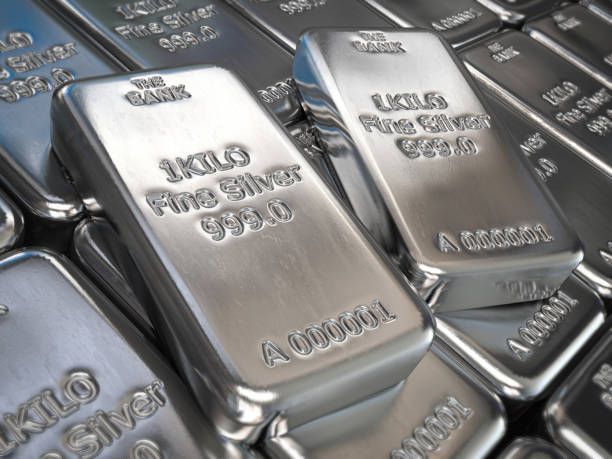
TradingKey - On November 27, Eastern Time, spot silver (XAGUSD) broke above $44, with its intraday gain exceeding 7% before narrowing to around 5%. Easing tariff concerns, recovering risk appetite, and a pause in the AI trade selloff brought phased relief to market tensions. Meanwhile, retreating U.S. Treasury yields lowered the opportunity cost of holding non-yielding assets, supporting the rebound of gold and silver from their lows.
Currently, against the backdrop of inflation data further reinforcing rate-hike expectations, U.S. Treasury yields still retreated. The 10-year Treasury yield fell by approximately 5.6 basis points to 4.845%, while the 2-year yield dropped by about 3.5 basis points to 4.633%.
The decline in yields was primarily driven by safe-haven allocations. Equity valuation pressures, coupled with investor concerns over the AI sector and future economic growth, prompted capital to rotate from risk assets into Treasuries, weighing on both short- and long-term rates. Lower interest rates alleviated holding cost pressures on precious metals, serving as a key driver of this rebound.
Silver's own sharp pullback and inventory destocking have also provided support for prices. Despite the rebound, spot silver remains down more than 15% from the beginning of the month.
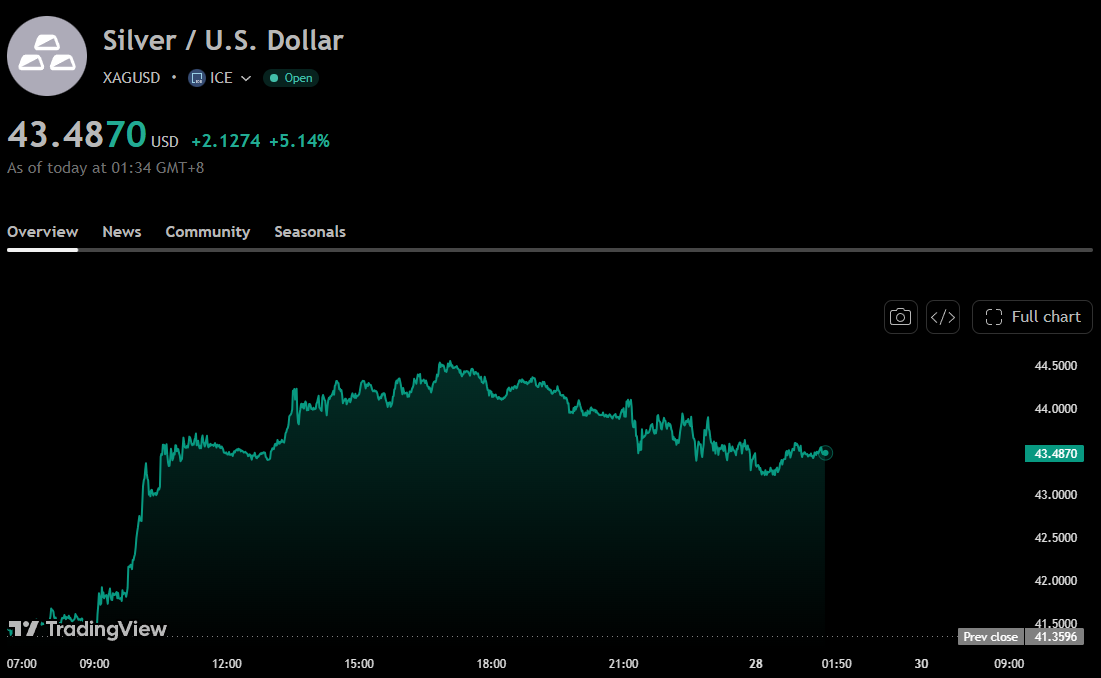
Spot Silver Price Chart, Source: TradingView
UBS, however, believes that silver's recent decline has been excessive. The bank pointed out that silver prices have fallen nearly 70% from their 2026 peak, making this selloff one of the steepest downturns in decades. UBS strategist Dominic Schnider stated that the gold-to-silver ratio has climbed to 88, improving silver's valuation relative to gold; if the macro environment warms up, silver could exhibit greater rebound elasticity.
Regarding the policy outlook, UBS expects the Federal Reserve to conclude its rate-hiking cycle in the first quarter of 2027, after which inflation will gradually cool and market expectations for rate cuts will heat up again. Based on this view, the bank leans toward going long on silver over the coming months, believing that silver's higher price volatility could allow its rebound to outpace that of gold.
However, it should be noted that current rate-hike expectations continue to constrain silver. The U.S. core PCE price index rose 3.3% year-over-year in October, marking its highest level since November 2023, while the revised annualized quarter-over-quarter real GDP growth for the third quarter reached 4.3%. According to the CME FedWatch Tool, the market broadly expects the Fed to raise rates in December, with a 66% probability of a 50-basis-point hike priced in for January next year. Economic resilience and sticky inflation continue to support expectations of ongoing monetary policy tightening.
This content was translated using AI and reviewed for clarity. It is for informational purposes only.
Recommended Articles








Comments (0)
Click the $ button, enter the symbol, and select to link a stock, ETF, or other ticker.