


 Discount


Merck & Co Inc Stock (MRK) Moved Down by 3.02% on Nov 19: Key Drivers Unveiled


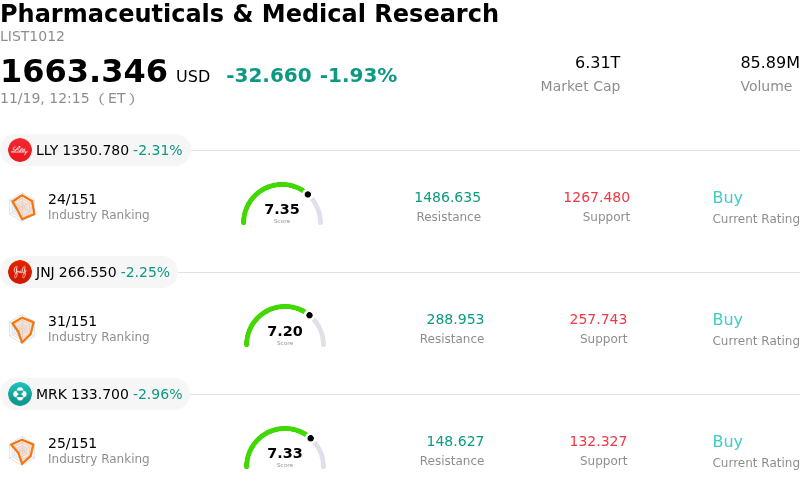
Merck & Co Inc (MRK) moved down by 3.02%. The Pharmaceuticals & Medical Research sector is down by 1.93%. The company underperformed the industry. Top 3 stocks by turnover in the sector: Eli Lilly and Co (LLY) down 2.31%; Johnson & Johnson (JNJ) down 2.25%; Merck & Co Inc (MRK) down 2.96%.
What is driving Merck & Co Inc (MRK)’s stock price down today?
Merck experienced pronounced selling pressure during the session, driven by a confluence of pipeline execution scrutiny, shifting sector dynamics, and persistent medium-term overhangs surrounding its core commercial franchises. As market participants re-evaluated biopharmaceutical risk premiums, defensive large-cap healthcare equities encountered broad-based institutional rebalancing, amplifying downward pressure across the pharmaceutical cohort.
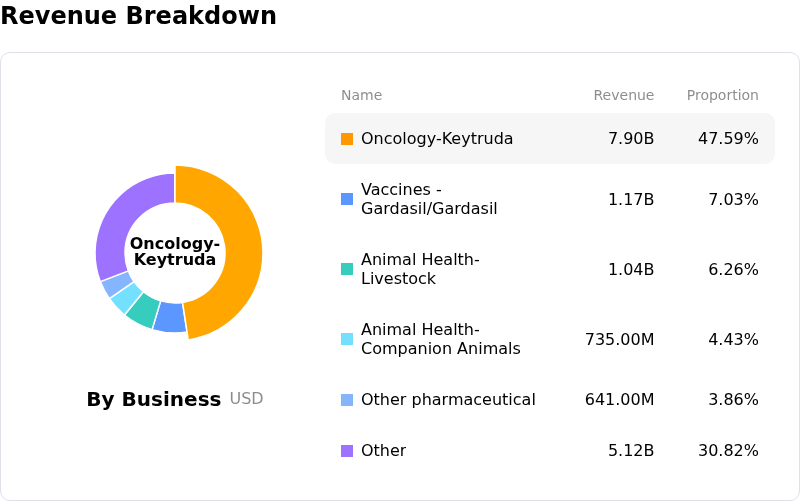
A central drag on sentiment remains the strategic transition plan ahead of the looming loss of exclusivity for blockbuster oncology therapy Keytruda later in the decade. Investors closely scrutinize ongoing clinical pipeline progress, particularly the advancement of subcutaneous formulations, combination regimens, and oncology collaborations such as antibody-drug conjugates. Any incremental delays, competitive data readouts from rival immunotherapies, or uncertainty regarding patent defense timelines tend to catalyze swift de-risking by institutional holders.
Commercial headwinds in overseas markets also continue to weigh on investor expectations. Following recent volatility in international sales for the human papillomavirus vaccine Gardasil, particularly in key growth regions such as China, market participants remain cautious regarding the durability of near-term volume recovery. Lingering channel inventory adjustments and heightened competitive alternatives have led several institutional desks to trim baseline growth estimates for the vaccine portfolio, dampening top-line momentum expectations.
Broader industry dynamics further exacerbated the retreat. Regulatory scrutiny over prescription drug pricing, Medicare negotiations, and shifting healthcare policy priorities in the United States continue to suppress valuation multiples across mega-cap pharma. When capital rotates toward higher-beta growth sectors or reacts to macroeconomic crosscurrents, pharmaceutical names with high revenue concentration in maturing assets often face disproportionate distribution.
From an institutional perspective, Merck retains solid fundamental support anchored by robust free cash flow generation, a high-yielding dividend, and early commercial traction from newer therapies such as Winrevair. However, near-term price action is likely to remain dictated by tangible clinical trial milestones, clarity on international commercial execution, and evidence that pipeline diversification can sufficiently offset future patent expirations. Until these operational catalysts deliver clear upside surprises, the stock may face continued consolidation and multiple compression.
Technical Analysis of Merck & Co Inc (MRK)
Technically, Merck & Co Inc (MRK) shows a MACD (12,26,9) value of -2.688, indicating a sell signal. The RSI at 32.769 suggests neutral condition and the Williams %R at 98.080 suggests oversold condition. Please monitor closely.
Fundamental Analysis of Merck & Co Inc (MRK)
Merck & Co Inc (MRK) is in the Pharmaceuticals & Medical Research industry. Its latest annual revenue is $65.01B, ranking 5 in the industry. The net profit is $18.25B, ranking 3 in the industry. Company Profile
Over the past month, multiple analysts have rated the company as Buy, with an average price target of $158.39, a high of $186.00, and a low of $105.00.
More details about Merck & Co Inc (MRK)
Company Specific Risks:
- Complete Clinical Discontinuation of Nemtabrutinib (MK-1026): Merck terminated its entire clinical development program for nemtabrutinib—the centerpiece blood cancer asset from its $2.7 billion acquisition of ArQule—after an independent Data Monitoring Committee found that clinical risks outweighed benefits in the Phase 3 BELLWAVE-011 trial, forcing the immediate shutdown of all ongoing Phase 3 studies (including BELLWAVE-008 and BELLWAVE-010) and wiping out expected hematology pipeline revenue.
- R&D Capital Loss and Imminent Asset Write-Offs: The abrupt cancellation of the BELLWAVE program reopens investor scrutiny surrounding Merck’s external business development strategy, as the asset had already incurred $1.97 billion in cumulative historical impairment charges and will now require a complete write-down of its remaining carrying value with zero commercial return.
- Impending Q4 Channel Unwind and 2027 Regulatory Headwinds: Institutional analysts are actively de-risking positions ahead of an estimated $550 million customer order timing and channel inventory reversal scheduled to hit Q4 2026 results, alongside over $2 billion in guided headwinds entering 2027 driven by German drug pricing policy changes and generic volume erosion on Bridion.
- Amplified Keytruda Patent Cliff Concentration Risk: The loss of a late-stage oncology alternative exacerbates institutional anxiety over Merck’s revenue concentration in Keytruda, intensifying scrutiny on the company’s ability to offset the drug's upcoming loss of exclusivity as pipeline candidates fail to materialize into replacement commercial cash flows.
This article may include AI-generated content that is human-reviewed, which is for reference and general information purposes only and does not constitute investment advice.
Recommended Articles







Comments (0)
Click the $ button, enter the symbol, and select to link a stock, ETF, or other ticker.