


 Discount


BP PLC Stock (BP) Moved Down by 3.68% on Nov 18: Drivers Behind the Movement


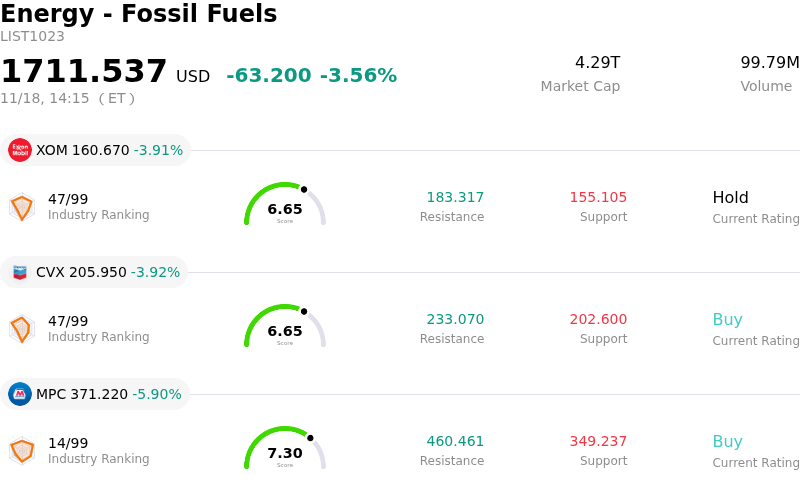
BP PLC (BP) moved down by 3.68%. The Energy - Fossil Fuels sector is down by 3.56%. The company underperformed the industry. Top 3 stocks by turnover in the sector: Exxon Mobil Corp (XOM) down 3.91%; Chevron Corp (CVX) down 3.95%; Marathon Petroleum Corp (MPC) down 5.90%.
What is driving BP PLC (BP)’s stock price down today?
BP experienced notable downward pressure during the trading session, driven primarily by a broader retreat in global crude benchmarks and renewed demand skepticism across the energy complex. As international oil prices fell on easing geopolitical risk premiums and concerns over sluggish global macroeconomic growth, integrated energy producers faced widespread multiple compression. Given BP’s acute sensitivity to upstream realization prices and broader commodity sentiment, the retreat in benchmark crude contracts directly weighed on the stock as institutional investors rotated capital out of cyclical energy holdings.
Beyond top-line commodity price weakness, investor sentiment was dampened by growing apprehension over the sustainability of downstream refining profitability. While elevated refining indicator margins provided substantial support to third-quarter profitability, market consensus is pricing in a pronounced normalization of crack spreads heading into year-end. Coupled with anticipated fourth-quarter seasonal turnaround activity and lower planned refinery throughput following recent asset divestments and maintenance schedules, expectations for downstream earnings momentum have softened, creating near-term headwinds for the group’s operational cash generation.
Capital allocation dynamics and balance sheet priorities continue to act as a relative overhang on BP compared to its transatlantic peers. Although the company has made tangible progress in reducing net debt, management has reiterated that leverage remains above optimal levels, cementing balance sheet strengthening as its primary financial objective. With share buyback programs remaining on pause to protect cash reserves and fund ongoing transition commitments, the stock lacks the immediate downside cushion that aggressive equity repurchases typically afford peers like ExxonMobil and Chevron during periods of commodity softness.
In summary, BP’s downward trajectory reflects a confluence of declining crude benchmarks, anticipated margin compression across downstream refining operations, and institutional caution regarding capital returns relative to industry rivals. Over the near term, share performance will remain tightly correlated with shifts in global energy demand data, OPEC output discipline, and management’s ability to achieve its deleveraging milestones to unlock more competitive shareholder distributions.
Technical Analysis of BP PLC (BP)
Technically, BP PLC (BP) shows a MACD (12,26,9) value of -0.857, indicating a sell signal. The RSI at 33.248 suggests neutral condition and the Williams %R at 98.578 suggests oversold condition. Please monitor closely.
Fundamental Analysis of BP PLC (BP)
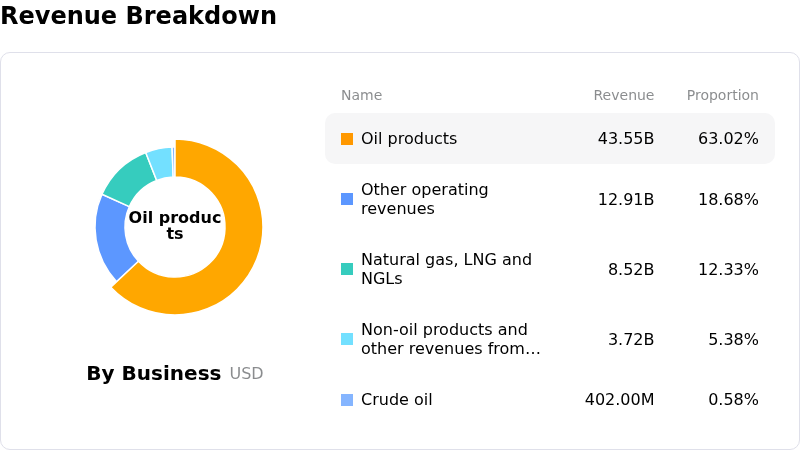
BP PLC (BP) is in the Energy - Fossil Fuels industry. Its latest annual revenue is $189.34B, ranking 3 in the industry. The net profit is $54.00M, ranking 63 in the industry. Company Profile
Over the past month, multiple analysts have rated the company as Buy, with an average price target of $54.63, a high of $76.00, and a low of $42.00.
More details about BP PLC (BP)
Company Specific Risks:
- Stalled $1 Billion Egypt Asset Divestment: Bilateral negotiations with Energean to divest Egyptian upstream gas assets, including stakes in the West Nile Delta and Temsah concessions, have stalled due to a lack of regulatory approval from Egyptian authorities, threatening roughly $1 billion in expected divestment proceeds and complicating BP's portfolio simplification program.
- Substantial Liquidity Outflows and Shareholder Distribution Constraints: The launch of cash tender offers to repurchase up to $6 billion of outstanding U.S.-dollar debt maturing between 2027 and 2034, combined with accelerated legacy liability commitments, diverts near-term cash reserves and creates institutional concern regarding the sustainability of near-term share buybacks and shareholder distributions.
- Upstream Production Guidance Downgrade: Management's lowered fourth-quarter production outlook of 2,090 to 2,230 mboe/d reflects ongoing operational vulnerabilities, driven by regional disruptions in the Middle East, weather-driven outages in the Gulf of Mexico, and near-term volume drag that exposes operational margins to impairment risks.
- Boardroom Reshuffle and Strategic Friction: A Form 6-K regulatory filing confirmed an abrupt restructuring of the board of directors, including the departure of Senior Independent Director Dame Amanda Blanc to prioritize traditional upstream oil and gas expertise, underscoring ongoing governance turbulence and strategic friction surrounding BP's long-term capital allocation.
This article may include AI-generated content that is human-reviewed, which is for reference and general information purposes only and does not constitute investment advice.
Recommended Articles







Comments (0)
Click the $ button, enter the symbol, and select to link a stock, ETF, or other ticker.