


Uber Technologies Inc Stock (UBER) Closed Down by 3.43% on Oct 23: Drivers Behind the Movement



Uber Technologies Inc (UBER) closed down by 3.43%. The Software & IT Services sector is down by 0.48%. The company underperformed the industry. Top 3 stocks by turnover in the sector: Meta Platforms Inc (META) down 0.96%; Microsoft Corp (MSFT) up 0.66%; Alphabet Inc Class A (GOOGL) down 1.24%.
What is driving Uber Technologies Inc (UBER)’s stock price down today?
The downward pull in Uber's stock performance reflects a confluence of near-term margin apprehensions, valuation recalibrations, and persistent structural debate around the autonomous vehicle ecosystem. Investor sentiment has grown cautious as market participants weigh short-term operational costs against long-term strategic expenditures. A central concern centers on elevated supply-side incentive programs, as Uber ramps up driver bonuses and promotional offerings to ensure platform capacity ahead of the peak holiday travel season, raising fears of near-term compression in operating margins.
Simultaneously, the broader narrative surrounding Uber's transition toward autonomous mobility continues to induce market friction. While recent expanded global partnerships with autonomous vehicle developers and large-scale platform acquisitions demonstrate aggressive portfolio diversification, the significant capital commitments required for driverless vehicle integration are prompting investors to reevaluate valuation multiples. Concerns that vehicle manufacturers might build independent networks create underlying long-term execution risk for Uber's core Mobility segment. Furthermore, market attention remains fixed on operational shifts following corporate workforce rebalancing and the company-wide deployment of enterprise artificial intelligence productivity tools.
From a technical and tactical standpoint, the stock's inability to hold above key moving averages has reinforced negative trading momentum, accelerating systematic selling pressures. With the company's upcoming quarterly earnings release on the horizon, institutional investors appear inclined to de-risk portfolios and await detailed updates on underlying Mobility revenue trajectory, delivery unit economics, and organic cash flow generation. Consequently, the combination of cautious pre-earnings positioning, cost scrutiny, and long-term autonomous transition uncertainties continues to weigh on share price performance.
Technical Analysis of Uber Technologies Inc (UBER)
Technically, Uber Technologies Inc (UBER) shows a MACD (12,26,9) value of -0.257, indicating a sell signal. The RSI at 38.577 suggests neutral condition and the Williams %R at 96.589 suggests oversold condition. Please monitor closely.
Media Coverage of Uber Technologies Inc (UBER)
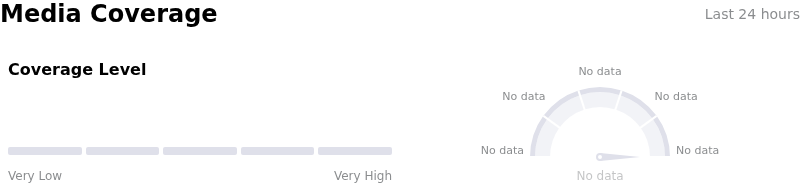
In terms of media coverage, Uber Technologies Inc (UBER) shows a coverage score of 49, indicating a moderate level of media attention. The overall market sentiment index is currently in bullish zone.
Fundamental Analysis of Uber Technologies Inc (UBER)
Uber Technologies Inc (UBER) is in the Software & IT Services industry. Its latest annual revenue is $52.02B, ranking 11 in the industry. The net profit is $10.05B, ranking 12 in the industry. Company Profile
Over the past month, multiple analysts have rated the company as Buy, with an average price target of $102.34, a high of $150.00, and a low of $72.00.
More details about Uber Technologies Inc (UBER)
Company Specific Risks:
- Autonomous Vehicle Disruption and Partner Risk: Escalating competitive pressure from Tesla's Cybercab network and Waymo's expansion of direct consumer ride-hailing services threatens Uber's core take-rates and market share, creating long-term disintermediation risks for its platform network.
- Decelerating Margin Expansion and Downgrade Pressures: Institutional downgrades highlight growing concerns over margin compression and potential earnings-per-share deceleration, as expanding driver incentives, operational expenses, and regional reinvestments outpace top-line growth.
- M&A Execution and Debt Load Capital Risks: Multi-billion dollar capital allocations—such as the recent $2.3 billion ezCater acquisition and global delivery expansion moves—have raised market concerns over deal economics, high debt levels, and integration risks.
- Regulatory Scrutiny and Rising Labor Costs: Potential U.S. regulatory scrutiny regarding undisclosed food-delivery fees on Uber Eats, alongside driver unionization efforts and international regulatory roadblocks, threaten to inflate operational costs and pressure margins.
This article may include AI-generated content that is human-reviewed, which is for reference and general information purposes only and does not constitute investment advice.
Recommended Articles







Comments (0)
Click the $ button, enter the symbol, and select to link a stock, ETF, or other ticker.