


Carvana Co Stock (CVNA) Closed Down by 7.07% on Aug 17: Drivers Behind the Movement



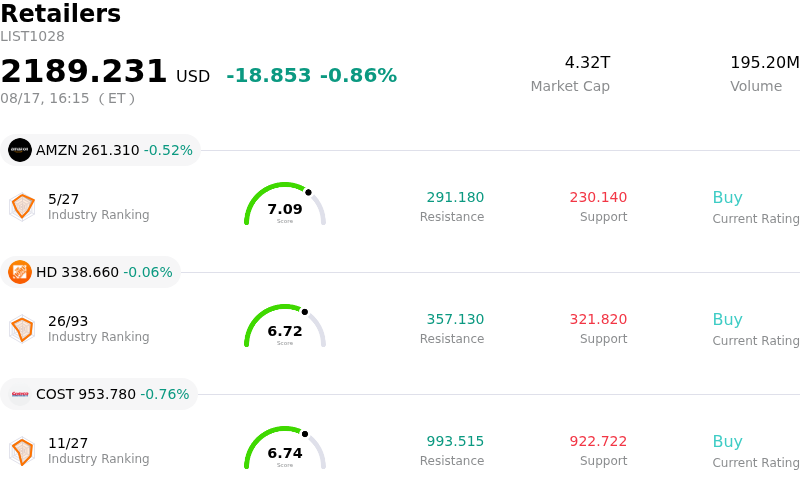
Carvana Co (CVNA) closed down by 7.07%. The Retailers sector is down by 0.86%. The company underperformed the industry. Top 3 stocks by turnover in the sector: Amazon.com Inc (AMZN) down 0.52%; Home Depot Inc (HD) down 0.06%; Costco Wholesale Corp (COST) down 0.76%.
What is driving Carvana Co (CVNA)’s stock price down today?
Carvana experienced notable downward momentum and heightened intraday volatility as short-term profit-taking took hold following a recent multi-week recovery. The stock had previously rebounded on encouraging news surrounding its capital structure, most notably the successful pricing and execution of a senior secured term loan facility to refinance higher-cost debt and lower annual interest expenses. However, as the initial optimism surrounding the debt refinancing fully digested, the stock encountered technical resistance, prompting traders and institutional investors to lock in recent gains.
Underlying fundamental headwinds continue to weigh on investor sentiment. While the company's most recent quarterly revenue surpassed Wall Street estimates, management provided full-year earnings guidance that came in below consensus expectations at the midpoint. This guidance reset highlighted persistent macroeconomic pressures facing the used-car retail sector. High consumer borrowing rates, tightening credit standards, and fluctuating wholesale vehicle valuations continue to present operational challenges, constraining overall transaction volume growth and gross profit per unit across the industry.
Carvana's rich valuation relative to traditional automotive retail peers makes its share price particularly sensitive to changes in market sentiment and broader sector overhangs. The stock's historically elevated short interest and active retail involvement further amplify intraday price fluctuations during broader market pullbacks. Institutional investors appear to be scaling back risk exposure in high-beta automotive retail stocks while assessing the broader trajectory of consumer spending and Federal Reserve interest rate policy, both of which heavily influence auto loan affordability. Without fresh operational catalysts or accelerated unit volume expansion, the stock remains vulnerable to volatile trading swings in the near term.
Technical Analysis of Carvana Co (CVNA)
Technically, Carvana Co (CVNA) shows a MACD (12,26,9) value of 3.260, indicating a neutral signal. The RSI at 59.834 suggests neutral condition and the Williams %R at 2.406 suggests overbought condition. Please monitor closely.
Media Coverage of Carvana Co (CVNA)
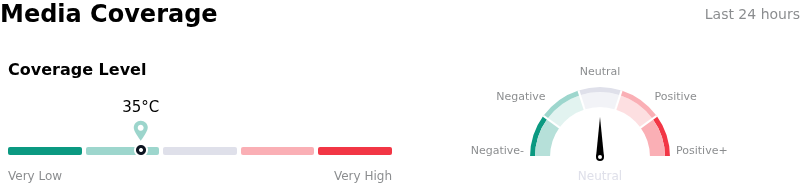
In terms of media coverage, Carvana Co (CVNA) shows a coverage score of 35, indicating a low level of media attention. The overall market sentiment index is currently in neutral zone.
Fundamental Analysis of Carvana Co (CVNA)
Carvana Co (CVNA) is in the Retailers industry. Its latest annual revenue is $20.32B, ranking 10 in the industry. The net profit is $1.41B, ranking 7 in the industry. Company Profile
Over the past month, multiple analysts have rated the company as Buy, with an average price target of $82.63, a high of $120.00, and a low of $60.00.
More details about Carvana Co (CVNA)
Company Specific Risks:
- Refinancing Debt Obligations and Prepayment Restrictions: Carvana's recent entry into a $1.66 billion senior secured Term Loan B facility—issued at 99.75% of principal—imposes direct financial obligations, subsidiary collateral liens, and mandatory excess cash flow prepayment rules starting in 2028, keeping debt leverage restrictions high as the firm redeems its 2030 notes.
- Margin Compression and Analyst Target Reductions: Equity research firms including Citigroup, RBC, and Evercore ISI recently trimmed price targets for CVNA following conservative adjusted EBITDA guidance, citing shrinking gross profit per unit and rising reconditioning costs as new inspection centers scale up.
- High Financing Rates and Auto-Loan Demand Drag: Elevated auto-loan interest rates continue to dampen broader consumer used-car demand while placing margin pressure on Carvana's profitable vehicle financing and loan sales operations.
- Valuation Premium and Operational Expansion Friction: Trading at steep earnings and sales multiples compared to traditional auto retailers, the stock carries significant valuation downside if heavy capital investments into physical dealership hubs and expanded delivery networks fail to maintain elevated retail unit growth rates.
This article may include AI-generated content that is human-reviewed, which is for reference and general information purposes only and does not constitute investment advice.
Recommended Articles












Comments (0)
Click the $ button, enter the symbol, and select to link a stock, ETF, or other ticker.