


Uber Technologies Inc Stock (UBER) Moved Down by 6.36% on Aug 5: A Full Analysis



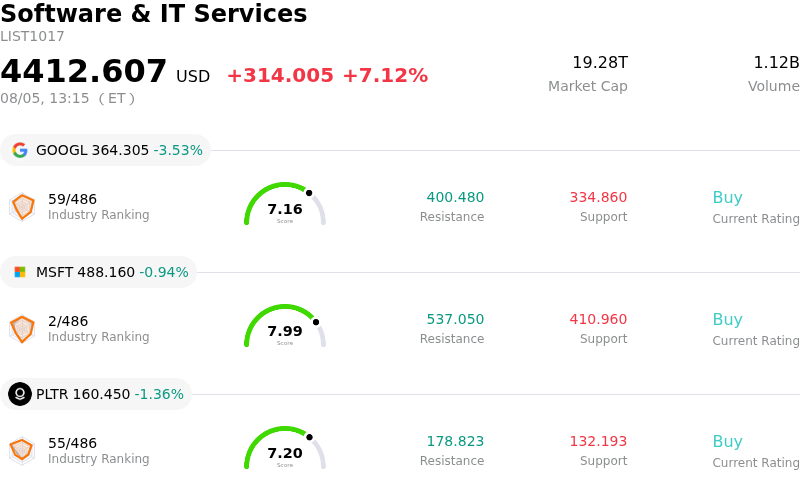
Uber Technologies Inc (UBER) moved down by 6.36%. The Software & IT Services sector is up by 7.12%. The company underperformed the industry. Top 3 stocks by turnover in the sector: Alphabet Inc Class A (GOOGL) down 3.53%; Microsoft Corp (MSFT) down 0.94%; Palantir Technologies Inc (PLTR) down 1.36%.
What is driving Uber Technologies Inc (UBER)’s stock price down today?
Uber's recent performance reflects a cautious pivot in investor sentiment following the release of its latest quarterly financial results. While top-line revenue growth remained relatively steady, the market focus has shifted toward the sustainability of the company's operating margins. A primary driver for the current downward pressure is the disclosure of increased driver incentive programs and marketing expenditures aimed at maintaining market share in saturated urban centers. This aggressive spending has raised concerns among institutional investors about a potential plateau in the company's path toward long-term free cash flow optimization.
The broader macroeconomic environment is also playing a significant role in the current volatility. Recent labor market data and shifting consumer confidence indices suggest a potential slowdown in discretionary spending, which directly impacts the mobility and delivery segments. Investors are increasingly sensitive to any signs that demand for premium ride-sharing services might be cooling. Furthermore, management's forward-looking guidance for the upcoming fiscal period came in below consensus estimates, prompting a wave of revisions from several sell-side analysts who cite decelerating gross bookings growth as a key risk.
Regulatory headwinds continue to cast a shadow over the valuation. New developments regarding the legal classification of gig economy workers in major international jurisdictions have reignited fears of rising operational costs. If the company is forced to provide more comprehensive benefits or alter its independent contractor model in significant markets, the impact on its bottom line would be substantial. This regulatory uncertainty, combined with heightened competition from emerging autonomous vehicle networks, has led to a risk-off approach among hedge funds and large-scale asset managers who are currently prioritizing capital preservation.
Finally, technical factors and market sentiment are exacerbating the intraday movement. As the stock breached several key support levels, automated trading algorithms likely triggered a cascade of sell orders. The broader technology sector is also facing headwinds from shifting interest rate expectations, which tends to disproportionately affect companies with high growth multiples. In this context, the stock is being viewed through a more critical lens, where any slight deviation from perfect execution is met with selling pressure. Institutional portfolio adjustments and a lack of immediate buying support have further contributed to the downward trajectory during the session.
Technical Analysis of Uber Technologies Inc (UBER)
Technically, Uber Technologies Inc (UBER) shows a MACD (12,26,9) value of 0.237, indicating a neutral signal. The RSI at 51.607 suggests neutral condition and the Williams %R at 34.134 suggests buy condition. Please monitor closely.
Media Coverage of Uber Technologies Inc (UBER)
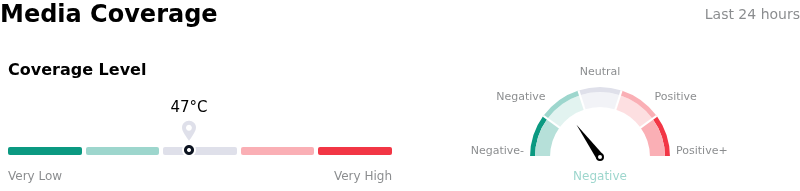
In terms of media coverage, Uber Technologies Inc (UBER) shows a coverage score of 47, indicating a moderate level of media attention. The overall market sentiment index is currently in bearish zone.
Fundamental Analysis of Uber Technologies Inc (UBER)
Uber Technologies Inc (UBER) is in the Software & IT Services industry. Its latest annual revenue is $52.02B, ranking 11 in the industry. The net profit is $10.05B, ranking 12 in the industry. Company Profile
Over the past month, multiple analysts have rated the company as Buy, with an average price target of $104.82, a high of $150.00, and a low of $72.00.
More details about Uber Technologies Inc (UBER)
Company Specific Risks:
- Unrealized Investment Losses and GAAP Volatility: Uber’s recent financial disclosures revealed a substantial quarterly net loss driven by the downward revaluation of equity stakes in companies like Didi and Grab, raising concerns over the impact of non-operational assets on earnings consistency and bottom-line stability.
- Labor Classification Legal Challenges: Ongoing litigation in major markets, including the current trial in Massachusetts, threatens Uber’s "independent contractor" business model, with potential adverse rulings likely to significantly increase payroll taxes and insurance liabilities while disrupting operational flexibility.
- Demand Attrition from Mandated Pay Hikes: New regulatory requirements for minimum driver earnings in metropolitan hubs like New York City and Seattle have necessitated fare increases, leading to institutional analyst warnings regarding "trip attrition" and a potential deceleration in gross bookings as consumers react to higher costs.
- Strategic Threat from Autonomous Verticalization: Market volatility is exacerbated by the risk that autonomous vehicle manufacturers may launch proprietary, vertically integrated ride-hailing networks, which could bypass Uber’s marketplace and erode its competitive moat in the long-term shift toward driverless fleets.
This article may include AI-generated content that is human-reviewed, which is for reference and general information purposes only and does not constitute investment advice.
Recommended Articles







Comments (0)
Click the $ button, enter the symbol, and select to link a stock, ETF, or other ticker.